Address Reuse Analysis: Risks and Best Practices for Crypto Privacy
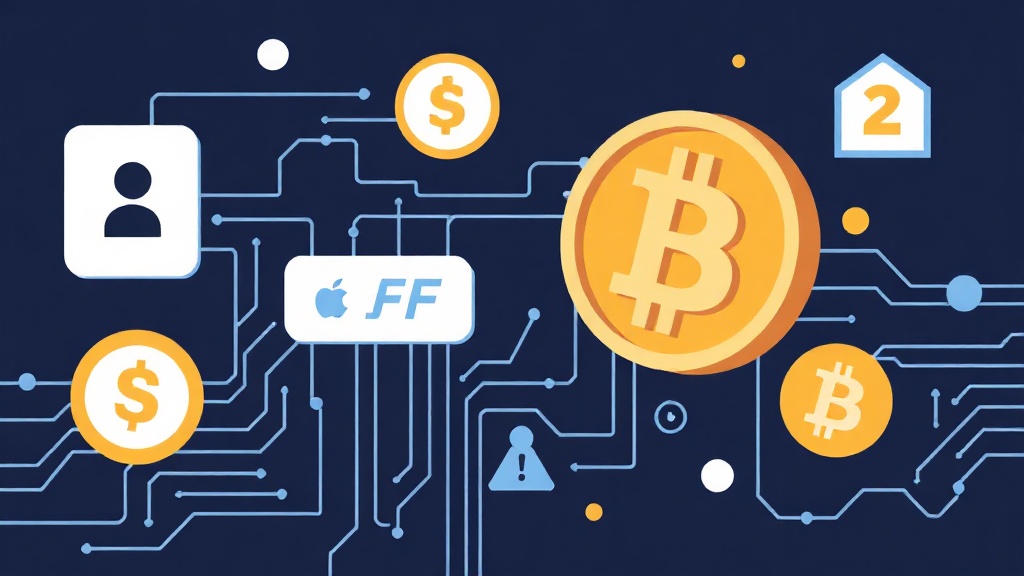
Why Address Reuse Poses a Major Privacy Risk in Cryptocurrency
In the world of cryptocurrency, privacy isn’t just a preference—it’s a necessity. One of the most overlooked yet critical threats to financial privacy is address reuse. When users send or receive funds using the same cryptocurrency address multiple times, they unknowingly create a trail of transactions that can be traced back to them. This practice undermines anonymity and exposes sensitive financial behavior to prying eyes, including blockchain analysts, cybercriminals, and even governments.
Unlike traditional banking systems where each transaction generates a new account number, most cryptocurrencies—especially Bitcoin and Ethereum—use pseudonymous addresses. However, these addresses are not truly anonymous. Every transaction is permanently recorded on a public ledger, and if the same address is reused, it becomes easier to link transactions to a single identity. This is where address reuse analysis comes into play—a method used by blockchain surveillance firms to track user behavior, deanonymize individuals, and compromise privacy.
Understanding how address reuse works—and why it should be avoided—is essential for anyone serious about protecting their financial privacy in the digital age.
How Address Reuse Exposes Your Transaction History
When you reuse a cryptocurrency address, you’re essentially creating a single point of failure for your privacy. Here’s how it happens:
- Transaction Linking: Each time you send or receive funds to the same address, the blockchain records the transaction. Over time, this builds a comprehensive history of all your interactions with that address. Analysts can use this data to map out your spending habits, income sources, and even social connections.
- Behavioral Profiling: By analyzing patterns in reused addresses, blockchain surveillance tools can infer your identity. For example, if you frequently receive payments from an exchange or a known service, that address can be linked to your account. Similarly, if you withdraw funds to the same address repeatedly, it becomes a fingerprint of your financial activity.
- Wallet Correlation: Address reuse can also help attackers or analysts link multiple addresses to the same wallet. If you control several addresses but reuse one, it’s possible to deduce that all those addresses belong to you. This is especially dangerous in privacy-focused cryptocurrencies like Monero, where address reuse can defeat the purpose of the coin’s built-in anonymity features.
In short, address reuse doesn’t just compromise your privacy—it can make you a target for theft, fraud, or surveillance. The good news? It’s entirely preventable with the right practices.
Real-World Consequences of Address Reuse
The risks of address reuse aren’t theoretical—they’ve led to real-world privacy breaches and financial losses. Here are a few examples:
- Exchange Account Linking: Many users reuse addresses when withdrawing funds from exchanges. If an exchange’s address is reused across multiple users (which is common), it becomes trivial for analysts to link your withdrawal address to your exchange account. This has been used in the past to deanonymize users during investigations or targeted attacks.
- Phishing and Targeted Attacks: If your reused address is associated with a public profile (e.g., a donation address on a website or a social media tip jar), attackers can use it to gather intelligence about your financial activity. This information can be exploited for phishing scams, blackmail, or even physical threats in extreme cases.
- Loss of Anonymity in Privacy Coins: Even in privacy-focused cryptocurrencies like Monero or Zcash, address reuse can undermine the system’s protections. For instance, in Monero, stealth addresses are used to hide recipient identities—but if the sender reuses an address, it can reveal patterns that compromise privacy.
- Regulatory and Compliance Risks: Businesses that reuse addresses may inadvertently violate privacy regulations like GDPR or financial compliance laws. If customer data is exposed due to address reuse, companies could face hefty fines and reputational damage.
These consequences highlight why address reuse analysis isn’t just a technical concern—it’s a critical aspect of personal and financial security in the crypto space.
Best Practices to Avoid Address Reuse and Protect Your Privacy
Fortunately, avoiding address reuse is simple once you adopt the right habits. Here are actionable tips to keep your cryptocurrency transactions private and secure:
- Use a New Address for Every Transaction: Most modern wallets (e.g., Electrum, Ledger, Trezor, or Wasabi Wallet) automatically generate a new address for each transaction. Always use these fresh addresses instead of reusing old ones.
- Leverage Hierarchical Deterministic (HD) Wallets: HD wallets create a tree of addresses from a single seed phrase. This means you can generate unlimited addresses without needing to back up each one individually. Tools like Samourai Wallet and Edge Wallet are excellent for this purpose.
- Avoid Public Addresses for Donations or Tips: If you need to receive funds publicly (e.g., for donations or tips), use a dedicated wallet with a single-use address. Alternatively, consider using a privacy-focused service like Bitcoin Mixers or CoinJoin to obfuscate transaction trails.
- Use Privacy-Focused Wallets: Wallets like Wasabi, Samourai, and Sparrow are designed with privacy in mind. They include features like CoinJoin (a method to mix transactions with others) and stealth addresses to further protect your identity.
- Monitor Your Addresses with Blockchain Explorers: Tools like Blockchain.com Explorer, Blockstream.info, or OXT.me allow you to check if an address has been reused. Regularly audit your addresses to ensure no old ones are being used by mistake.
- Avoid Sharing Addresses Publicly: Never post your cryptocurrency addresses on social media, forums, or websites. Even if you think it’s harmless, it can be used to track your transactions or target you for scams.
- Use Subaddresses for Business or Personal Use: If you run a business or manage multiple funds, use subaddresses—a feature supported by wallets like Monero and Electrum. Subaddresses allow you to compartmentalize funds while keeping your main address private.
By following these best practices, you can significantly reduce the risk of address reuse analysis and maintain robust financial privacy in the cryptocurrency ecosystem.
Tools and Technologies to Enhance Address Privacy
Beyond basic wallet hygiene, several advanced tools and technologies can help you further obscure your transaction history and avoid address reuse:
- CoinJoin: This is a privacy technique where multiple users combine their transactions into a single transaction, making it difficult to trace individual inputs and outputs. Wallets like Wasabi and Samourai Wallet support CoinJoin by default.
- Lightning Network: For Bitcoin users, the Lightning Network allows for off-chain transactions that don’t appear on the public blockchain. This reduces the need for on-chain address reuse and improves privacy for small payments.
- Mixers and Tumblers: Services like Wasabi Wallet’s CoinJoin or third-party mixers (e.g., Bitcoin Fog, MixTum) can help obscure the origin of your funds by mixing them with others. However, be cautious—some mixers may not be trustworthy or could be shut down by authorities.
- Stealth Addresses: Used in cryptocurrencies like Monero, stealth addresses generate a unique, one-time address for each transaction. This ensures that even if someone knows your public address, they can’t link transactions to it.
- Tor and VPNs: While not directly related to address reuse, using tools like Tor or a VPN can add an extra layer of privacy by masking your IP address when interacting with the blockchain. This prevents third parties from linking your IP to your transaction activity.
Combining these tools with the best practices outlined earlier will give you a robust privacy strategy that minimizes the risks of address reuse analysis.
Conclusion: Take Control of Your Crypto Privacy Today
Address reuse isn’t just a minor inconvenience—it’s a serious privacy vulnerability that can expose your financial life to scrutiny, theft, or worse. By understanding how address reuse analysis works and adopting simple yet effective practices, you can protect your anonymity and maintain control over your financial data.
The key takeaways are clear:
- Never reuse addresses—always generate a new one for each transaction.
- Use privacy-focused wallets that support features like CoinJoin, stealth addresses, and HD wallets.
- Avoid sharing addresses publicly and audit your transaction history regularly.
- Leverage advanced tools like mixers, Lightning Network, and Tor to enhance privacy further.
In a world where financial privacy is increasingly under threat, taking proactive steps to secure your cryptocurrency transactions is not optional—it’s essential. Start implementing these practices today, and you’ll be well on your way to a more private and secure crypto experience.
Related articles
FIFO Taint Tracing: Tracking Cryptocurrency Transaction Origins
Poison Taint Tracking Explained: Protecting Crypto Privacy

Understanding the Taint Method for Cryptocurrency Privacy
Proportional Taint Analysis: Enhancing Cryptocurrency Privacy and Security
Understanding Coin Taint Scoring in Cryptocurrency Privacy
Looking for a privacy tool?
Browse every mixer, exchanger and Telegram bot in one place.