Anonymous Online Shopping: Secure & Private Internet Marketplaces
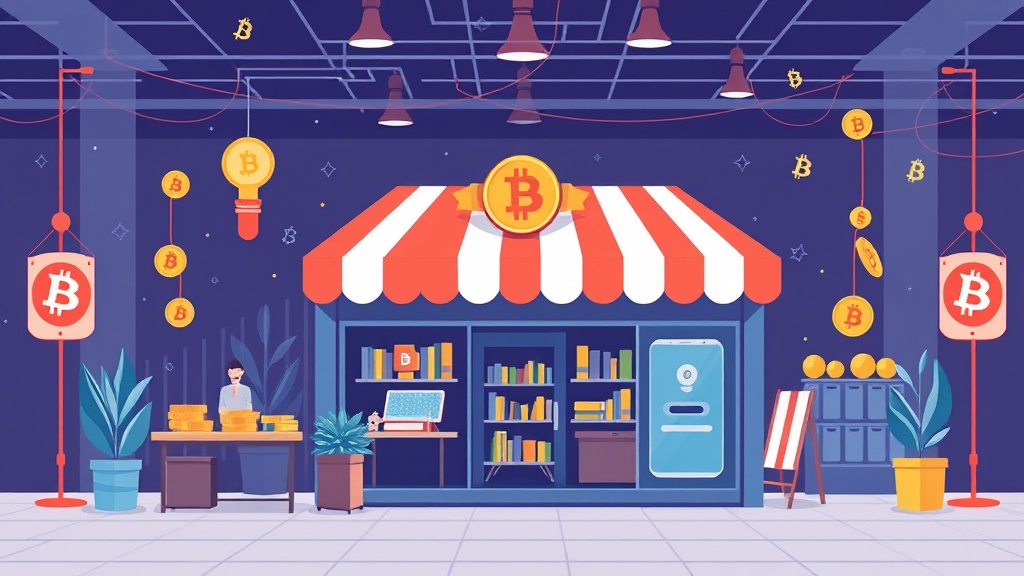
What Is an Anonymous Internet Store and Why Does It Matter?
An anonymous internet store is an online marketplace that prioritizes user privacy by allowing purchases without revealing personal identity. Unlike traditional e-commerce platforms that require names, addresses, and payment details, these stores use cryptocurrencies, encrypted communication, and decentralized networks to protect buyer identities.
For cryptocurrency users and privacy advocates, anonymous shopping is essential. It prevents tracking by corporations, governments, or data brokers. With rising concerns over surveillance and data breaches, these platforms offer a safer way to shop online—especially for sensitive items like VPNs, privacy tools, or even everyday goods without leaving a digital footprint.
How Anonymous Internet Stores Protect Your Identity
These platforms use multiple layers of privacy protection. The most common methods include:
- Cryptocurrency Payments: Bitcoin, Monero, and other privacy coins are often accepted, reducing traceability compared to credit cards.
- No Account Required: Many anonymous stores allow purchases without registration, eliminating the need to share email or personal data.
- Stealth Shipping: Items are shipped discreetly, often without sender information or branded packaging to avoid exposure.
- Decentralized Networks: Some stores operate on peer-to-peer (P2P) marketplaces like OpenBazaar, which are resistant to censorship and surveillance.
- Encrypted Communication: Customer support and order tracking are handled through encrypted channels like Tor or Signal.
These features make anonymous stores ideal for users who value discretion and security in their online transactions.
Top Features to Look for in a Private Online Marketplace
Not all anonymous stores are created equal. When choosing a platform, consider these key features:
- Jurisdiction: Some countries have stricter privacy laws. Stores based in privacy-friendly regions (e.g., Switzerland, Panama) may offer better protection.
- Payment Options: Look for stores that accept Monero (XMR), Zcash (ZEC), or Bitcoin with CoinJoin mixing for enhanced anonymity.
- Shipping Policies: Opt for stores that use plain packaging and avoid customs declarations that reveal purchase details.
- Reputation System: Trustworthy platforms have user reviews, escrow services, and clear dispute resolution processes.
- No Logs Policy: Ensure the store doesn’t store IP addresses, order histories, or personal data longer than necessary.
Popular anonymous marketplaces include Darknet Markets (for high-risk items), OpenBazaar (decentralized P2P), and privacy-focused e-commerce sites like Bitify or Cryptonator Market.
Step-by-Step Guide to Shopping Anonymously Online
Ready to make your first private purchase? Follow these steps to minimize exposure:
- Set Up a Privacy-Focused Environment:
- Use a dedicated device or a virtual machine for sensitive transactions.
- Browse via Tor Browser or a VPN with a no-logs policy.
- Choose a Cryptocurrency for Privacy:
- Monero (XMR) is the gold standard for anonymous payments due to its built-in privacy features.
- Bitcoin can be used with CoinJoin (via Wasabi Wallet or Samourai) to obfuscate transaction trails.
- Select a Reputable Anonymous Store:
- Check reviews on forums like Reddit’s r/onions or Dread.
- Avoid marketplaces with a history of scams or law enforcement takedowns.
- Place Your Order Securely:
- Use a burner email (e.g., ProtonMail) if an email is required.
- Provide a fake name or alias if the store allows it.
- Ship Discreetly:
- Choose stealth shipping options when available.
- Use a PO Box or virtual mailbox for delivery if possible.
- Verify and Confirm:
- Use escrow services to protect against scams.
- Check order status via Tor-only links or encrypted channels.
By following these steps, you can significantly reduce the risk of your purchase being linked back to you.
Common Myths and Risks of Anonymous Shopping
While anonymous stores offer privacy, they’re not without challenges. Here are some misconceptions and real risks to be aware of:
- Myth: “Anonymous = Completely Untraceable”
Reality: Even with Monero or Tor, metadata (e.g., shipping address, timing) can sometimes be used to infer identity. Law enforcement has cracked cases using operational security (OPSEC) failures.
- Risk: Scams and Fake Stores
Many anonymous marketplaces are unregulated, making them prime targets for fraud. Always verify seller ratings and use escrow services.
- Myth: “No Personal Info = No Problems”
Reality: If you reuse cryptocurrency addresses or shipping details, patterns can still be linked. Mixers and fresh wallets are essential.
- Risk: Legal Gray Areas
Some items (e.g., certain digital goods, self-defense tools) may have legal restrictions depending on your location. Research local laws before purchasing.
- Myth: “Tor Alone Is Enough”
Reality: Tor hides your IP, but browser fingerprinting or unencrypted traffic can still expose you. Combine Tor with a VPN (in bridge mode) for better protection.
Understanding these risks helps you make informed decisions and avoid costly mistakes.
Conclusion: Shop Smart, Stay Private
Anonymous internet stores provide a valuable alternative for privacy-conscious shoppers, especially in an era of pervasive surveillance. By leveraging cryptocurrencies, encrypted networks, and discreet shipping, these platforms empower users to take control of their digital footprint.
However, privacy requires diligence. Always research stores, use secure payment methods, and practice good OPSEC. Remember: no system is 100% anonymous, but combining the right tools and habits can make your transactions significantly more private.
Ready to start? Begin with a trusted marketplace, use Monero for payments, and browse via Tor. Your digital privacy is worth the extra effort.
Related articles
Understanding Deposit Expiration Timers in Crypto: A Privacy Guide

Mastering Timed Request Windows for Enhanced Crypto Privacy

Understanding Mixer Session Expiry in Cryptocurrency Privacy

How to Achieve a Cookie-Free Crypto Mixing Session for Maximum Privacy

Secure Your Crypto: The Ultimate Guide to NoScript-Compatible Tumblers
Looking for a privacy tool?
Browse every mixer, exchanger and Telegram bot in one place.