Anonymous VPN Payments: Secure & Private Cryptocurrency Guide
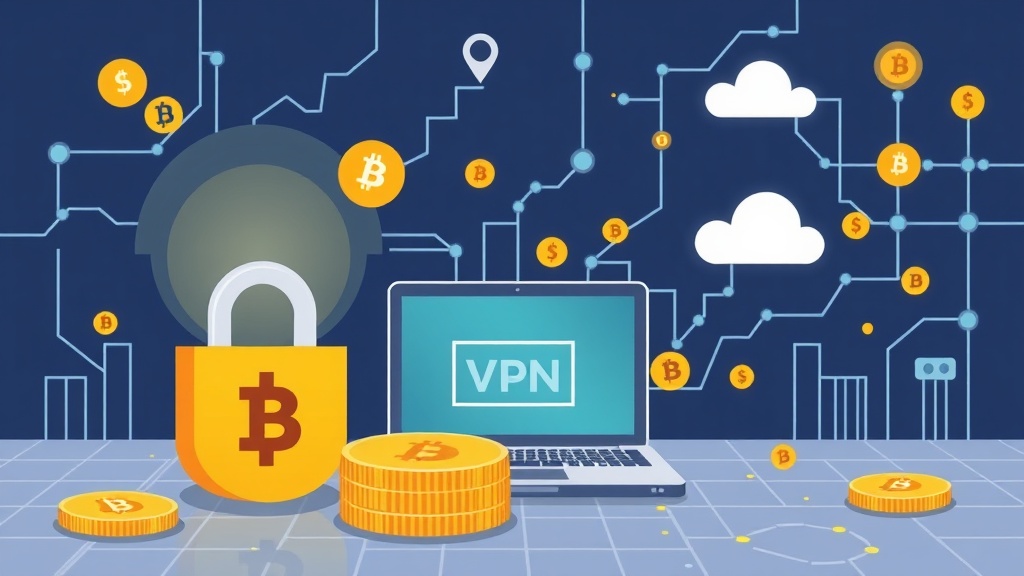
Why Anonymous VPN Payments Matter for Digital Privacy
In an era where online surveillance and data tracking are rampant, maintaining digital privacy has become a top priority for many users. A Virtual Private Network (VPN) encrypts your internet traffic, shielding your activities from prying eyes. However, even with a VPN, your payment method can reveal your identity. This is where anonymous VPN payments come into play.
By using cryptocurrencies like Bitcoin, Monero, or other privacy-focused coins, you can subscribe to a VPN service without linking your real-world identity to your online activity. This ensures a higher level of anonymity, making it harder for third parties—including governments, advertisers, or hackers—to trace your online behavior back to you.
Top Cryptocurrencies for Anonymous VPN Payments
Not all cryptocurrencies offer the same level of privacy. Some are more transparent, while others are designed specifically for anonymity. Here are the best options for paying for a VPN discreetly:
- Monero (XMR): A privacy coin with built-in features like ring signatures and stealth addresses, making transactions untraceable. Many VPN providers now accept Monero directly.
- Bitcoin (BTC) via CoinJoin or Mixers: While Bitcoin transactions are public, services like CoinJoin or Wasabi Wallet can mix your coins with others, obscuring the origin of funds.
- Zcash (ZEC): Offers optional privacy features using zk-SNARKs, which hide sender, receiver, and transaction amount.
- Dash (DASH): Includes a PrivateSend feature that mixes transactions to enhance anonymity.
- Litecoin (LTC) or Bitcoin Cash (BCH): While not as private as Monero, they can be used with mixers for added anonymity.
When choosing a cryptocurrency, prioritize coins with strong privacy features. Monero is widely regarded as the gold standard for anonymous transactions, making it the best choice for VPN payments.
How to Pay for a VPN Anonymously: Step-by-Step Guide
Paying for a VPN with cryptocurrency is straightforward, but following best practices ensures your anonymity remains intact. Here’s a step-by-step process:
- Choose a Privacy-Focused VPN: Not all VPNs support anonymous payments. Look for providers that explicitly accept cryptocurrencies and have a strong no-logs policy. Examples include ProtonVPN, Mullvad, and IVPN.
- Set Up a Privacy-Focused Wallet: Use a non-custodial wallet like Monero GUI, Electrum (for Bitcoin with CoinJoin), or Wasabi Wallet. Avoid exchanges that require KYC (Know Your Customer) verification.
- Acquire Cryptocurrency Privately: Buy crypto from decentralized exchanges (DEXs) like Bisq or Hodl Hodl, or use peer-to-peer (P2P) platforms like LocalMonero. Avoid centralized exchanges like Coinbase or Binance if you want to stay anonymous.
- Use a Mixing Service (Optional): For Bitcoin or other traceable coins, use a mixer like Wasabi Wallet or Samourai Wallet to obfuscate transaction trails.
- Pay for the VPN: During checkout, select the cryptocurrency option. Some VPNs provide a unique wallet address for each transaction to prevent address reuse.
- Use a Burner Email: Sign up for the VPN using a temporary email service like ProtonMail or Tutanota to avoid linking your personal email to the account.
By following these steps, you can subscribe to a VPN without revealing your identity, ensuring your online activities remain private.
Risks and Limitations of Anonymous VPN Payments
While anonymous payments offer significant privacy benefits, they are not without risks. Understanding these limitations helps you make informed decisions:
- VPN Provider Trustworthiness: Even if you pay anonymously, the VPN provider could log your activity or suffer a data breach. Always choose a reputable provider with a verified no-logs policy.
- Cryptocurrency Traceability: Some cryptocurrencies, like Bitcoin, are not entirely anonymous. Mixers can help, but they are not foolproof. Monero is the safest choice for true anonymity.
- Transaction Fees and Speed: Privacy-focused cryptocurrencies like Monero often have higher fees and slower transaction times compared to Bitcoin or traditional payment methods.
- Regulatory Scrutiny: Some VPN providers may face legal pressure to disclose user information, even if you paid anonymously. Opt for providers based in privacy-friendly jurisdictions.
- Wallet Security: If you lose access to your wallet or private keys, you may lose your funds permanently. Always back up your wallet securely.
To mitigate these risks, combine anonymous payments with other privacy tools like Tor Browser, DNS leak protection, and multi-hop VPN connections.
Best VPNs for Anonymous Cryptocurrency Payments
Not all VPNs support anonymous payments equally. Here are some of the best options that prioritize privacy and accept cryptocurrencies:
- Mullvad: A Sweden-based VPN that accepts cash, Bitcoin, and Monero. No email or personal details are required for signup. Known for its strict no-logs policy.
- ProtonVPN: Based in Switzerland, ProtonVPN accepts Bitcoin and accepts payments via third-party processors like BitPay. Offers a free tier with no credit card required.
- IVPN: Accepts Bitcoin, Monero, and other cryptocurrencies. Based in Gibraltar, IVPN has a strong reputation for privacy and transparency.
- NordVPN: While primarily known for its security features, NordVPN accepts Bitcoin through BitPay. However, it requires an email for signup, so pair it with a burner email.
- AirVPN: An Italy-based VPN that accepts Bitcoin and Monero. Open-source and highly transparent about its logging policies.
When selecting a VPN, prioritize providers with a proven track record in privacy, strong encryption, and a commitment to not storing user data.
Practical Tips for Maximizing Anonymity with VPN Payments
To ensure your VPN subscription and online activities remain completely anonymous, follow these practical tips:
- Use a Dedicated Device or Virtual Machine: Avoid using your primary device for anonymous VPN payments. Consider using a TAILS OS (a privacy-focused operating system) or a virtual machine with no persistent storage.
- Avoid Reusing Addresses: Generate a new cryptocurrency address for each VPN payment to prevent linking transactions to your identity.
- Enable VPN Kill Switch: A kill switch ensures your internet connection is cut off if the VPN connection drops, preventing accidental exposure of your real IP address.
- Use Tor Over VPN: For maximum anonymity, route your VPN traffic through the Tor network. This adds an extra layer of encryption and obscures your VPN server location.
- Monitor for DNS Leaks: Use tools like DNSLeakTest.com to ensure your VPN is not leaking your DNS requests, which could reveal your true location.
- Regularly Update Your VPN Software: Ensure your VPN client is up to date to protect against vulnerabilities that could compromise your anonymity.
- Consider Using a VPN Router: A VPN router encrypts all traffic on your network, including devices that don’t natively support VPNs, reducing the risk of accidental exposure.
By implementing these strategies, you can significantly enhance your online privacy and reduce the risk of being tracked or monitored.
Conclusion: Take Control of Your Digital Privacy
Anonymous VPN payments are a powerful tool for anyone serious about protecting their digital privacy. By combining cryptocurrencies like Monero with privacy-focused VPNs and additional security measures, you can browse the internet with confidence, knowing your identity and activities remain hidden from prying eyes.
Remember, privacy is not a one-time setup but an ongoing process. Stay informed about the latest threats, update your tools regularly, and always prioritize anonymity in your online interactions. Whether you're a journalist, activist, or simply a privacy-conscious individual, taking these steps ensures you stay one step ahead of surveillance and data exploitation.
Start today by choosing a VPN that supports anonymous payments, setting up a privacy-focused wallet, and adopting best practices for secure browsing. Your digital freedom depends on it.
Related articles


Understanding Mixer Session Expiry in Cryptocurrency Privacy

How to Achieve a Cookie-Free Crypto Mixing Session for Maximum Privacy

Secure Your Crypto: The Ultimate Guide to NoScript-Compatible Tumblers

Mix Your Crypto Without JavaScript: A Privacy-Friendly Guide

Metadata Minimization Mixer: Enhance Crypto Privacy Today
Looking for a privacy tool?
Browse every mixer, exchanger and Telegram bot in one place.