Crypto-to-Crypto Exchange: Secure Ways to Swap Digital Assets Privately
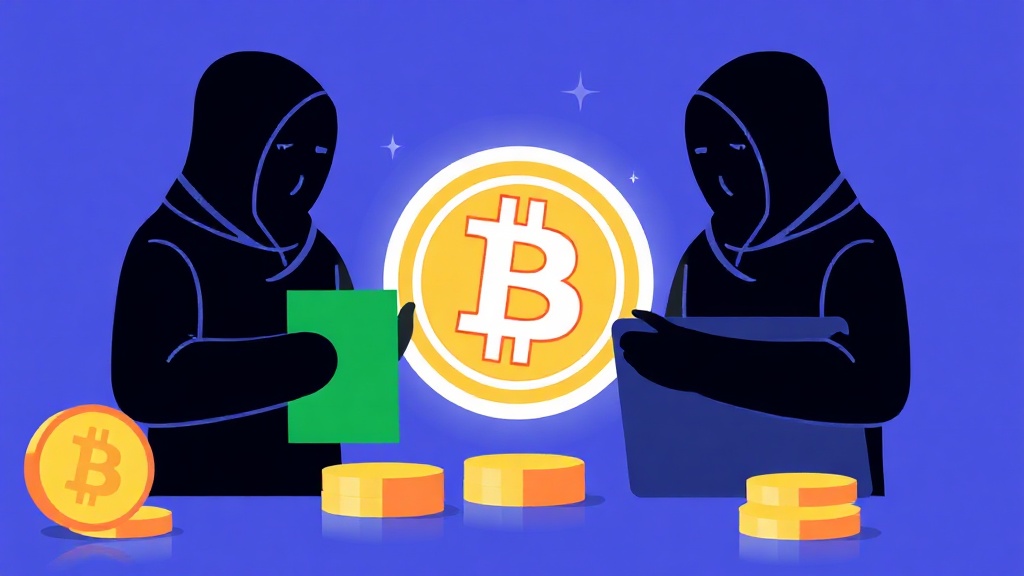
What Is a Crypto-to-Crypto Exchange and Why Privacy Matters
A crypto-to-crypto exchange allows users to trade one cryptocurrency directly for another without converting to traditional fiat currency like USD or EUR. This process is often called a direct exchange or peer-to-peer (P2P) swap, and it’s a cornerstone of decentralized finance (DeFi). Unlike centralized exchanges (CEXs), which require identity verification and custody of funds, direct exchanges prioritize user privacy and control over assets.
Privacy-conscious traders value crypto-to-crypto swaps because they minimize exposure to third parties. When you avoid fiat on-ramps, you reduce the risk of personal data leaks, bank monitoring, or regulatory scrutiny. However, privacy doesn’t come without challenges—security risks, scams, and liquidity issues are real concerns in the decentralized space. Understanding how to safely navigate these exchanges is essential for anyone seeking financial autonomy.
How Direct Crypto Exchanges Work: A Step-by-Step Guide
Direct crypto exchanges operate on blockchain networks and smart contracts, enabling trustless transactions. Here’s how the process typically unfolds:
- User Initiation: You select the cryptocurrencies you want to exchange (e.g., Bitcoin to Monero) and the desired amount.
- Order Matching: The platform or network matches your request with a counterparty offering the opposite trade (e.g., Monero to Bitcoin).
- Smart Contract Execution: Funds are locked in a decentralized escrow until both parties fulfill their end of the deal.
- Atomic Swap or Atomic Transaction: The exchange occurs simultaneously—if one party fails to deliver, both users get their funds back automatically.
- Completion: Once verified on-chain, the new cryptocurrency is sent to your wallet, and the process is complete.
Some platforms use atomic swaps, which allow cross-chain exchanges without intermediaries. Others rely on centralized order books but still facilitate direct transfers between wallets. Tools like ChangeNOW, Changelly, or ShapeShift offer user-friendly interfaces, while Bisq and Hodl Hodl focus on decentralization and privacy.
Top Platforms for Private Crypto-to-Crypto Exchanges in 2024
Choosing the right platform depends on your priorities: speed, privacy, fees, or asset availability. Below are some of the most trusted options for secure, direct exchanges:
- Bisq: A fully decentralized, open-source exchange that runs on Tor for maximum privacy. It supports over 150 cryptocurrencies and doesn’t require KYC. Transactions are peer-to-peer, and users trade directly from their wallets.
- Hodl Hodl: Another P2P platform that doesn’t hold user funds. It uses multisig escrow to secure trades and supports Bitcoin and other assets. Hodl Hodl is non-custodial and accessible via the Tor network.
- ChangeNOW: A non-custodial exchange that offers instant swaps with no registration. It supports over 900 coins and uses smart contracts to ensure secure transfers. ChangeNOW is ideal for users who prioritize speed and convenience.
- Changelly: Known for low fees and fast transactions, Changelly allows users to swap cryptocurrencies without creating an account. It aggregates liquidity from multiple sources, including decentralized exchanges (DEXs).
- ShapeShift: A long-standing exchange that transitioned to a non-custodial model in 2019. It supports direct swaps across multiple blockchains and integrates with hardware wallets for added security.
Each platform has trade-offs. For example, Bisq and Hodl Hodl offer the highest privacy but may have slower transaction times due to P2P matching. ChangeNOW and Changelly are faster but may involve higher fees or less anonymity.
Security Tips for Safe Direct Crypto Exchanges
Privacy and security go hand in hand. While direct exchanges reduce exposure to centralized risks, they introduce new vulnerabilities. Follow these best practices to protect your assets:
- Use a Hardware Wallet: Always send and receive cryptocurrency to a wallet you control, preferably a hardware wallet like Ledger or Trezor. Never leave funds on an exchange.
- Verify the Platform: Stick to reputable platforms with transparent teams and audited code. Avoid new or untested services that promise unrealistic rates.
- Enable Two-Factor Authentication (2FA): Even on decentralized platforms, enable 2FA for your accounts to prevent unauthorized access.
- Check Network Fees: Some exchanges charge high network fees or hidden costs. Compare platforms to avoid overpaying, especially during high congestion periods.
- Use VPNs and Tor: For maximum privacy, access exchanges via a VPN or the Tor browser to mask your IP address and location.
- Avoid Public Wi-Fi: Never initiate a swap on a public network. Use a secure, private connection to prevent man-in-the-middle attacks.
- Double-Check Addresses: Always verify wallet addresses before sending funds. A single typo can result in irreversible losses.
Remember: Not your keys, not your coins. Even if a platform claims to be secure, you should always maintain control of your private keys. If an exchange holds your funds, you’re exposed to custodial risks.
Common Pitfalls and How to Avoid Them
Direct crypto exchanges are powerful but not foolproof. Here are some common mistakes and how to steer clear of them:
- Scams and Fake Exchanges: Scammers often create fake swap sites that mimic legitimate platforms. Always bookmark official URLs and verify SSL certificates (look for the padlock icon in your browser).
- Low Liquidity: Some obscure trading pairs have low liquidity, leading to poor exchange rates or failed transactions. Stick to well-supported pairs like BTC/ETH or BTC/XMR.
- Regulatory Risks: While direct exchanges reduce KYC exposure, some jurisdictions still monitor crypto activity. Use privacy coins like Monero (XMR) or Zcash (ZEC) when possible, but be aware of local laws.
- Transaction Delays: Blockchain congestion can delay confirmations. Always check network status (e.g., via Blockchain.com or Etherscan) before initiating a swap.
- Phishing Attacks: Fake emails or social media messages may trick users into revealing private keys or seed phrases. Never share sensitive information, even if a message appears to come from a trusted source.
By staying informed and cautious, you can minimize risks and enjoy the benefits of private, direct crypto exchanges.
Conclusion: Take Control of Your Crypto Privacy
Direct crypto exchanges offer a powerful way to swap digital assets without sacrificing privacy or autonomy. Whether you’re using Bisq for decentralized trading, ChangeNOW for speed, or a hardware wallet for security, the key is to stay informed and proactive. Privacy in cryptocurrency isn’t just about hiding transactions—it’s about reclaiming control over your financial future.
Start small: test a swap with a small amount to familiarize yourself with the process. Gradually expand your use of direct exchanges as you build confidence. And always remember: the more you decentralize your crypto activity, the harder it is for third parties to track or interfere with your transactions.
Ready to swap privately? Choose a platform that aligns with your needs, secure your wallet, and take the first step toward a truly private crypto experience.
Related articles


Understanding Mixer Session Expiry in Cryptocurrency Privacy

How to Achieve a Cookie-Free Crypto Mixing Session for Maximum Privacy

Secure Your Crypto: The Ultimate Guide to NoScript-Compatible Tumblers

Mix Your Crypto Without JavaScript: A Privacy-Friendly Guide

Metadata Minimization Mixer: Enhance Crypto Privacy Today
Looking for a privacy tool?
Browse every mixer, exchanger and Telegram bot in one place.