DAO Treasury Privacy: Why It Matters and How to Protect It
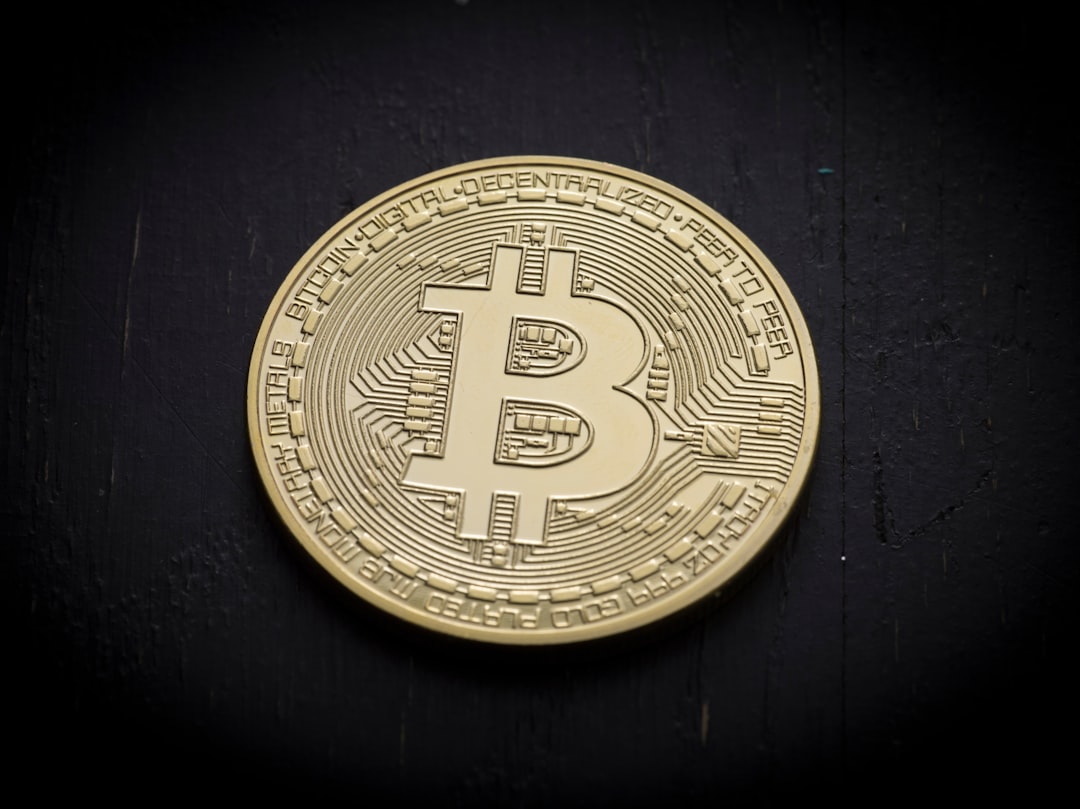
Understanding DAO Treasury Privacy
Decentralized Autonomous Organizations (DAOs) are revolutionizing how communities manage funds and make decisions. At the heart of every DAO lies its treasury—a pool of cryptocurrency assets used for operations, investments, and governance. However, the transparency of blockchain technology, while beneficial for accountability, can expose DAO treasuries to risks such as privacy breaches and targeted attacks. Ensuring the privacy of a DAO’s treasury is not just about security; it’s about protecting the financial autonomy and strategic interests of its members.
Why DAO Treasury Privacy is Critical
Privacy in DAO treasuries goes beyond hiding transaction amounts. It involves safeguarding the identities of contributors, the sources of funds, and the strategic financial moves of the organization. Here’s why it matters:
- Protection Against Targeted Attacks: Publicly visible treasuries can attract malicious actors, including hackers and competitors, who may exploit vulnerabilities or manipulate governance votes.
- Financial Strategy Confidentiality: DAOs often hold significant assets for future projects or investments. Keeping these plans private prevents front-running or copycat strategies by others in the ecosystem.
- Compliance and Legal Safety: In some jurisdictions, financial transparency requirements can conflict with privacy needs. Balancing these ensures DAOs remain compliant without sacrificing operational security.
- Member Safety: Large contributors or early adopters may face personal risks if their involvement in a DAO’s treasury is exposed, leading to potential harassment or extortion.
Privacy isn’t about hiding illicit activities—it’s about preserving the integrity and autonomy of decentralized organizations in an increasingly transparent digital world.
Common Risks to DAO Treasury Privacy
Despite the benefits of blockchain transparency, DAOs face several privacy risks that can compromise their treasuries:
- On-Chain Transparency: Most blockchains, like Ethereum, record all transactions publicly. While addresses are pseudonymous, sophisticated analysis can link wallets to real-world identities through clustering or off-chain data leaks.
- Governance Leaks: Voting patterns or proposal discussions may inadvertently reveal financial strategies or contributor identities, especially if DAO discussions happen on public forums.
- Smart Contract Vulnerabilities: Poorly designed treasury smart contracts can expose fund flows or allow reentrancy attacks, leading to unauthorized access or fund draining.
- Metadata Exposure: Even if transactions are private, metadata (e.g., IP addresses, timestamps) from interactions with DAO tools or interfaces can reveal sensitive information.
Understanding these risks is the first step toward implementing robust privacy measures for your DAO’s treasury.
Tools and Strategies for DAO Treasury Privacy
Fortunately, DAOs can leverage a variety of tools and strategies to enhance treasury privacy without sacrificing transparency or decentralization:
Privacy-Preserving Blockchains and Mixers
- Privacy Chains: Networks like Monero, Zcash, or Secret Network offer built-in privacy features (e.g., zk-SNARKs, confidential transactions) that can be used for treasury holdings or cross-chain interactions.
- Mixers and Tumblers: Services like Tornado Cash (for Ethereum) or Wasabi Wallet (for Bitcoin) obscure transaction trails by pooling and redistributing funds, making it harder to trace origins.
Decentralized Privacy Solutions
- Zero-Knowledge Proofs (ZKPs): Tools like ZK-Sync or StarkNet enable private transactions on public blockchains by validating transactions without revealing underlying data.
- Private Voting Systems: Platforms like Snapshot with privacy-focused extensions or MACI (Minimal Anti-Collusion Infrastructure) allow DAOs to conduct governance votes without exposing voter identities or preferences.
Smart Contract Design
- Multi-Signature Wallets: Require multiple approvals for treasury transactions, reducing single points of failure and adding a layer of privacy by distributing control.
- Time-Locked Transactions: Delay fund movements to prevent immediate exploitation and allow time for community scrutiny or emergency responses.
- Access Control: Implement role-based permissions in smart contracts to limit who can initiate or approve transactions, reducing exposure to insider threats.
Off-Chain Solutions
- Private DAO Frameworks: Tools like Colony or DAOstack offer modular privacy features, allowing DAOs to customize transparency levels for different operations.
- Encrypted Communication: Use end-to-end encrypted channels (e.g., Session, Matrix) for sensitive discussions to prevent leaks from public forums or social media.
Practical Steps to Secure Your DAO’s Treasury
Implementing privacy measures for your DAO’s treasury doesn’t have to be overwhelming. Start with these actionable steps:
- Audit Your Treasury: Regularly review your treasury’s on-chain footprint. Use tools like Etherscan, Nansen, or Dune Analytics to monitor transactions and identify potential exposure points.
- Adopt Privacy Tools Gradually: Begin with low-risk integrations, such as mixers for smaller transactions or private voting for governance. Gradually expand based on community consensus and technical feasibility.
- Educate Your Community: Privacy is a shared responsibility. Host workshops or AMAs to explain the importance of treasury privacy, how to use privacy tools, and the risks of oversharing. Encourage contributors to use privacy-focused wallets or addresses.
- Use Multi-Signature Wallets: Replace single-signature wallets with multi-sig solutions (e.g., Gnosis Safe, Argent) to distribute control and add redundancy. Configure thresholds (e.g., 3-of-5) to balance security and efficiency.
- Implement Time-Locks: Add time-locked mechanisms to treasury transactions to create a buffer against rapid or unauthorized movements. This also allows the community to review or veto suspicious proposals.
- Leverage Privacy-First DAO Platforms: Consider migrating to or building on DAO frameworks that natively support privacy, such as Tribute DAO or OZ DAO with custom privacy modules.
- Monitor for Leaks: Set up alerts for unusual activity, such as large withdrawals or sudden changes in treasury composition. Use blockchain analytics tools to track fund flows and identify potential threats early.
- Plan for Incident Response: Develop a privacy breach response plan. Define roles, communication channels, and recovery steps in case of an exposure. Regularly test your plan through tabletop exercises.
Future of DAO Treasury Privacy
The landscape of DAO treasury privacy is evolving rapidly, with new technologies and frameworks emerging to address current limitations. Here’s what the future may hold:
- Fully Homomorphic Encryption (FHE): This advanced cryptographic technique could allow DAOs to perform computations on encrypted treasury data without decrypting it, enabling private financial analysis and auditing.
- Decentralized Identity (DID): Privacy-preserving identity solutions, such as Spruce ID or Ceramic, could help DAOs verify contributors without exposing their real-world identities or on-chain activity.
- Cross-Chain Privacy: As interoperability improves, privacy solutions that work across multiple blockchains (e.g., THORChain with privacy modules) will become more accessible, allowing DAOs to manage diverse treasuries privately.
- Regulatory Clarity: Governments are beginning to define frameworks for privacy in decentralized systems. DAOs that proactively adopt privacy measures may gain a competitive edge in compliance and legitimacy.
The goal isn’t to create entirely opaque DAOs but to strike a balance between transparency, accountability, and privacy. As the ecosystem matures, tools and best practices will continue to improve, making it easier for DAOs to protect their most valuable asset: their treasury.
Conclusion: Balancing Transparency and Privacy in DAOs
DAO treasury privacy is a critical yet often overlooked aspect of decentralized governance. While blockchain transparency fosters trust and accountability, it also introduces risks that can undermine a DAO’s security, strategy, and member safety. By understanding these risks and adopting a proactive approach—leveraging privacy tools, smart contract design, and community education—DAOs can safeguard their treasuries without sacrificing the core principles of decentralization.
The future of DAO privacy lies in innovation: from zero-knowledge proofs to decentralized identity solutions, the tools are here. The key is to start small, iterate often, and prioritize privacy as a core value. After all, a DAO’s strength lies not just in its transparency, but in its ability to protect what matters most.
Take the first step today: audit your treasury, educate your community, and explore the privacy tools available. Your financial autonomy—and the trust of your members—depends on it.
Related articles


Understanding Mixer Session Expiry in Cryptocurrency Privacy

How to Achieve a Cookie-Free Crypto Mixing Session for Maximum Privacy

Secure Your Crypto: The Ultimate Guide to NoScript-Compatible Tumblers

Mix Your Crypto Without JavaScript: A Privacy-Friendly Guide

Metadata Minimization Mixer: Enhance Crypto Privacy Today
Looking for a privacy tool?
Browse every mixer, exchanger and Telegram bot in one place.