Deposit-Withdrawal Linking: How to Keep Your Crypto Transactions Private
Understanding Deposit-Withdrawal Linking in Cryptocurrency
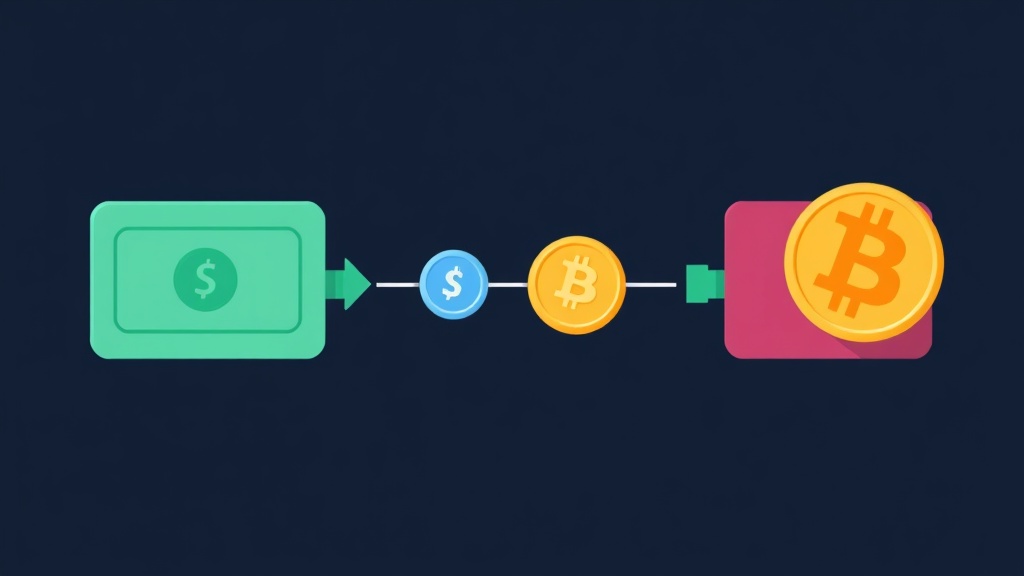
Deposit-withdrawal linking refers to the traceable connection between the addresses where you receive cryptocurrency (deposits) and the addresses where you send it (withdrawals). In the transparent world of blockchain, every transaction is recorded on a public ledger, meaning anyone can follow the flow of funds from one wallet to another. This transparency is a double-edged sword: while it ensures security and accountability, it can also compromise your financial privacy.
For cryptocurrency users who value anonymity—whether for personal privacy, security, or compliance with financial regulations—understanding how deposit-withdrawal linking works is crucial. By recognizing the patterns and tools used to trace transactions, you can take proactive steps to minimize exposure and protect your identity.
Why Deposit-Withdrawal Linking Matters for Privacy
Blockchain analysis firms and even casual observers can use sophisticated tools to track the movement of funds across the network. For example, if you deposit Bitcoin from an exchange into your personal wallet and later withdraw it to another service, blockchain explorers can often link these transactions by analyzing timing, amounts, and wallet behavior. This linking can reveal patterns that expose your financial activity to third parties.
In the context of privacy-focused cryptocurrencies like Monero or Zcash, deposit-withdrawal linking is less of a concern due to built-in obfuscation features. However, for users of transparent blockchains like Bitcoin or Ethereum, this issue is a significant challenge. Even small mistakes—such as reusing addresses or consolidating funds—can create identifiable trails that link your deposits and withdrawals.
Common Methods Used to Link Deposits and Withdrawals
Blockchain analysts employ several techniques to trace transactions and link deposits to withdrawals. Being aware of these methods can help you adopt better privacy practices:
- Address Clustering: Analysts group addresses that are likely controlled by the same entity based on transaction patterns, such as inputs and outputs in a single transaction.
- Change Address Detection: When you send cryptocurrency, the change is often returned to a new address generated by your wallet. If this address is reused or linked to other transactions, it can reveal your identity.
- Timing Analysis: Transactions that occur close together in time are often linked, especially if they involve the same amounts or wallet behavior.
- Transaction Graph Analysis: Tools like Chainalysis or CipherTrace map out the flow of funds across the blockchain, highlighting connections between addresses that may belong to the same user.
These methods are not foolproof, but they are highly effective when combined with other data points, such as IP addresses or exchange records. Understanding how these techniques work empowers you to take steps to disrupt the tracing process.
Practical Tips to Break the Deposit-Withdrawal Link
If you're serious about maintaining privacy in your cryptocurrency transactions, breaking the deposit-withdrawal link should be a top priority. Here are actionable strategies to help you achieve this:
- Use Fresh Addresses for Each Transaction: Avoid reusing addresses. Most modern wallets generate a new address for every transaction, which helps prevent clustering.
- Avoid Consolidating Funds: Merging funds from multiple sources into a single address can create a clear link between deposits and withdrawals. Instead, keep funds in separate addresses until you need to use them.
- Use CoinJoin or Mixing Services: Services like Wasabi Wallet or Samourai Wallet offer CoinJoin, which mixes your coins with others to obscure their origin. This makes it much harder to trace deposits and withdrawals.
- Leverage Privacy Coins: Consider using privacy-focused cryptocurrencies like Monero (XMR) or Zcash (ZEC), which are designed to obscure transaction details and prevent linking.
- Use a VPN or Tor for Transactions: If you're interacting with exchanges or services, use a VPN or Tor to mask your IP address, which can otherwise be used to link your identity to blockchain activity.
- Delay Transactions: Introduce random delays between deposits and withdrawals to disrupt timing analysis. This makes it harder for analysts to correlate transactions.
- Use Decentralized Exchanges (DEXs): DEXs like Bisq or Uniswap allow you to trade cryptocurrencies without the need for a centralized exchange, reducing the risk of deposit-withdrawal linking through exchange records.
Tools and Services to Enhance Cryptocurrency Privacy
Several tools and services can help you maintain privacy by breaking the deposit-withdrawal link. Here are some of the most effective options:
- Wasabi Wallet: A Bitcoin wallet that supports CoinJoin, allowing you to mix your coins with others to obscure their origin.
- Samourai Wallet: Another Bitcoin wallet with advanced privacy features, including Stonewall and PayJoin, which help obfuscate transaction trails.
- Monero (XMR): A privacy-focused cryptocurrency that uses ring signatures and stealth addresses to prevent transaction linking.
- Zcash (ZEC): Offers optional privacy features through zk-SNARKs, which shield transaction details from public view.
- JoinMarket: An open-source platform that enables users to mix their Bitcoin with others in a decentralized manner.
- VPNs and Tor: Tools like ProtonVPN or the Tor Browser can help mask your IP address and location, reducing the risk of linking your identity to blockchain activity.
While these tools can significantly enhance your privacy, it's important to remember that no method is 100% foolproof. Combining multiple strategies—such as using privacy coins, CoinJoin, and VPNs—will provide the best protection against deposit-withdrawal linking.
Conclusion: Taking Control of Your Cryptocurrency Privacy
Deposit-withdrawal linking is a significant challenge for cryptocurrency users who value privacy. However, by understanding how blockchain analysis works and adopting the right tools and practices, you can minimize the risk of exposing your financial activity. Whether you're using Bitcoin, Ethereum, or privacy coins like Monero, taking proactive steps—such as using fresh addresses, leveraging CoinJoin, and delaying transactions—can help you break the link between your deposits and withdrawals.
Remember, privacy in cryptocurrency is not just about hiding your activity; it's about taking control of your financial sovereignty. By staying informed and using the right tools, you can enjoy the benefits of blockchain technology without sacrificing your privacy. Start implementing these strategies today, and take the first step toward securing your financial future in the digital age.
Related articles

How to Detect CoinJoin Transactions in JoinMarket for Better Privacy

Samourai Whirlpool: The Ultimate Guide to Bitcoin Privacy Mixing

Wasabi Wallet Detection: Privacy Features and Risks Explained

Tumbler Output Analysis: How Crypto Mixers Protect Your Privacy

Mixer Exit Clustering: How to Protect Your Crypto Privacy
Looking for a privacy tool?
Browse every mixer, exchanger and Telegram bot in one place.