Detecting Change Outputs in Cryptocurrency Transactions for Enhanced Privacy
Understanding Change Outputs in Cryptocurrency Transactions
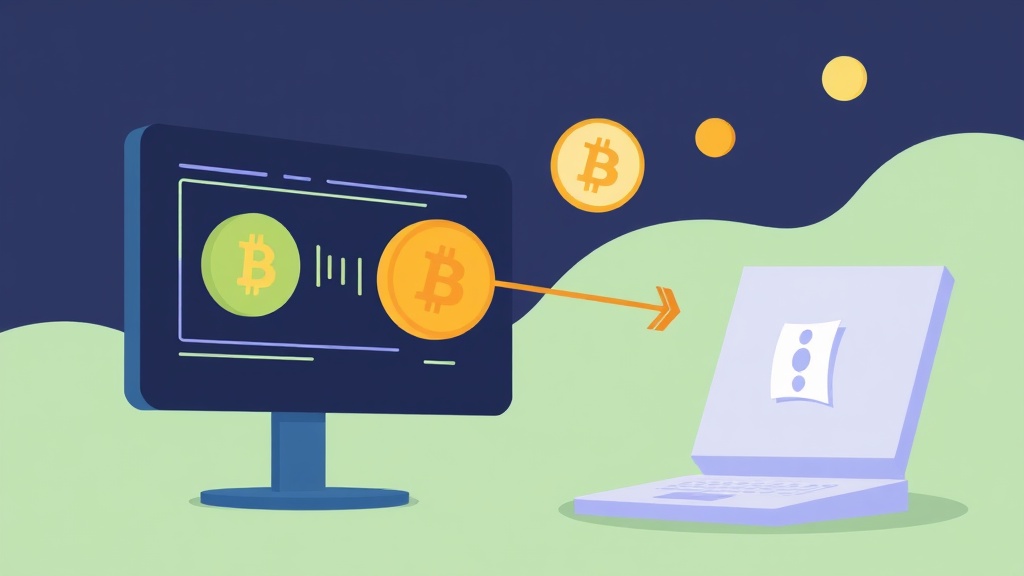
When you send cryptocurrency, your transaction often includes a change output—a mechanism that returns excess funds back to your wallet. This feature is designed to prevent the loss of unspent coins, but it can also reveal privacy-sensitive information if not handled carefully. For privacy-conscious users, detecting and managing change outputs is crucial to maintaining anonymity in the blockchain ecosystem.
Most cryptocurrencies, including Bitcoin and Ethereum, use a UTXO (Unspent Transaction Output) model, where transactions consume entire inputs and generate new outputs. If you send 0.5 BTC from a wallet containing 1 BTC, the transaction will include:
- A recipient output of 0.5 BTC (sent to the intended receiver).
- A change output of 0.5 BTC (returned to your wallet as change).
While this system ensures transaction efficiency, it can inadvertently expose your wallet’s balance and transaction history if analyzed by third parties.
Why Detecting Change Outputs Matters for Privacy
Privacy in cryptocurrency transactions is often compromised by transaction graph analysis, where observers link inputs and outputs to trace fund flows. Change outputs play a significant role in this process because they create identifiable patterns. For example:
- If you frequently receive change back to the same address, it may reveal your wallet’s balance over time.
- Change outputs can be linked to your identity if you reuse addresses or interact with regulated exchanges.
- Advanced blockchain analysis tools can cluster addresses based on change patterns, reducing anonymity.
By detecting and managing change outputs effectively, you can break transaction trails and enhance your financial privacy. This is especially important for users in regions with strict financial surveillance or those seeking to protect their wealth from prying eyes.
Tools and Techniques for Detecting Change Outputs
Several tools and methods can help you identify and analyze change outputs in cryptocurrency transactions. Here are some of the most effective approaches:
Blockchain Explorers
Blockchain explorers like Blockchain.com, Blockstream.info, and Etherscan.io allow you to inspect transaction details, including outputs. Look for:
- Multiple outputs in a single transaction (common in change scenarios).
- Outputs that are not linked to known addresses (potential change).
- Outputs with amounts smaller than the input (indicating change).
Wallet Privacy Features
Modern wallets like Wasabi Wallet, Samourai Wallet, and Electrum offer privacy-focused features to manage change outputs:
- CoinJoin: Mixes your coins with others to obscure transaction trails.
- Stealth Addresses: Generates unique addresses for each transaction to prevent linking.
- Change Addresses: Automatically generates new addresses for change to avoid reuse.
Advanced Analytics Tools
For deeper analysis, tools like Chainalysis Reactor, CipherTrace, and Glassnode can help detect change outputs by:
- Identifying patterns in transaction graphs.
- Linking outputs to known entities (e.g., exchanges).
- Visualizing fund flows to spot potential change addresses.
Best Practices for Managing Change Outputs
To maximize privacy, follow these best practices when dealing with change outputs:
- Use a Privacy-Focused Wallet: Wallets like Wasabi or Samourai prioritize privacy and offer features like CoinJoin and stealth addresses.
- Avoid Address Reuse: Never reuse addresses for receiving funds. Always generate a new one for each transaction.
- Consolidate Funds Periodically: Use CoinJoin or manual consolidation to merge small UTXOs into larger ones, reducing the number of change outputs.
- Use Mixers or Tumblers: Services like JoinMarket or Wasabi’s CoinJoin can help obscure the origin of your funds.
- Monitor Transaction Fees: High fees can sometimes correlate with larger transactions, making change outputs more noticeable. Adjust fees to balance cost and privacy.
- Use Hardware Wallets with Privacy Features: Devices like Coldcard or Ledger support advanced privacy settings.
Real-World Examples of Change Output Detection
Let’s explore a few real-world scenarios where detecting change outputs can enhance privacy:
Example 1: Bitcoin Transaction Analysis
Suppose you send 0.3 BTC from a wallet containing 1 BTC. The transaction will likely include:
- An output of 0.3 BTC to the recipient.
- A change output of 0.7 BTC back to your wallet.
If you reuse the same address for the change output, an observer can link your wallet’s balance over time. Instead, use a new address for the change output to break the trail.
Example 2: Ethereum and Smart Contracts
Ethereum transactions can be more complex due to smart contracts. For example, if you interact with a decentralized exchange (DEX) like Uniswap, the transaction may include multiple outputs:
- An output for the token swap.
- A change output for the remaining ETH.
- Potential outputs for gas fees or other interactions.
Using a wallet like MetaMask with privacy extensions can help manage these outputs more securely.
Example 3: Privacy Coins and Change Outputs
Privacy coins like Monero (XMR) and Zcash (ZEC) use advanced cryptography to obscure transaction details, including change outputs. For example:
- Monero uses ring signatures and stealth addresses to hide the sender, receiver, and amount.
- Zcash offers optional privacy features like zk-SNARKs to shield transaction details.
While these coins provide built-in privacy, understanding how change outputs work in traditional cryptocurrencies can still help you make informed decisions.
Conclusion: Take Control of Your Transaction Privacy
Detecting and managing change outputs is a critical skill for anyone serious about cryptocurrency privacy. By understanding how change outputs work, using the right tools, and following best practices, you can significantly reduce the risk of exposing your financial history. Whether you’re using Bitcoin, Ethereum, or privacy coins, taking these steps will help you maintain control over your financial anonymity.
Start by auditing your transactions with a blockchain explorer, switch to a privacy-focused wallet, and consider using CoinJoin or other mixing services. Remember, privacy is not a one-time setup—it’s an ongoing process of adapting to new threats and tools. Stay informed, stay vigilant, and take charge of your financial privacy in the digital age.
Related articles


Understanding Input Ownership Heuristic in Cryptocurrency Privacy
UTXO Fingerprinting Resistance: Protecting Your Crypto Privacy

How Transaction Graph Obfuscation Enhances Crypto Privacy

Understanding the Dandelion Stem Phase in Cryptocurrency Privacy

How Dandelion Transaction Propagation Enhances Crypto Privacy
Looking for a privacy tool?
Browse every mixer, exchanger and Telegram bot in one place.