Hot Wallet Security: Essential Tips to Protect Your Crypto Assets
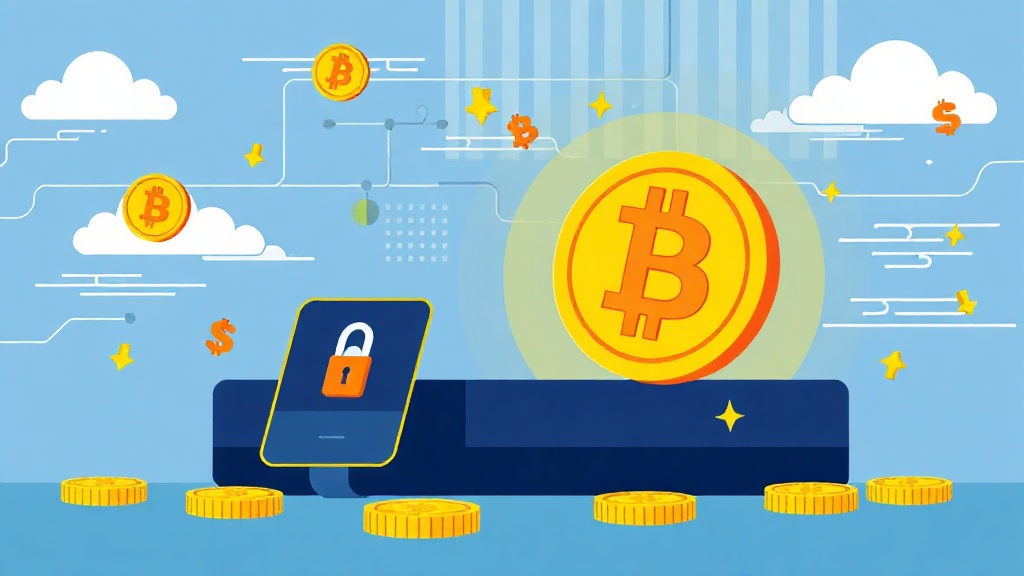
Understanding Hot Wallets and Their Risks
Hot wallets are digital wallets that are connected to the internet, allowing users to quickly access and manage their cryptocurrency holdings. Unlike cold wallets, which are offline and offer enhanced security, hot wallets are convenient for daily transactions but come with inherent risks. Because they are always online, hot wallets are more vulnerable to cyberattacks, phishing schemes, and malware.
For cryptocurrency enthusiasts, balancing convenience with security is crucial. While hot wallets provide easy access to funds, users must be aware of the potential threats and take proactive steps to mitigate risks. Understanding how hot wallets work and where they fall short is the first step toward safeguarding your digital assets.
Common Security Threats to Hot Wallets
Hot wallets face several security threats that can compromise your funds. Some of the most common risks include:
- Phishing Attacks: Fraudsters often impersonate legitimate wallet providers or exchanges to trick users into revealing their private keys or login credentials.
- Malware and Keyloggers: Malicious software can infect your device, capturing keystrokes or stealing sensitive information stored in your hot wallet.
- Exchange Hacks: Even reputable exchanges can fall victim to cyberattacks, putting users' funds at risk if the exchange is compromised.
- Weak Passwords and 2FA: Using easily guessable passwords or failing to enable two-factor authentication (2FA) can leave your wallet vulnerable to unauthorized access.
Being aware of these threats is essential for protecting your cryptocurrency. By recognizing the signs of potential attacks, you can take preventive measures to secure your hot wallet.
Best Practices for Securing Your Hot Wallet
To minimize risks, follow these best practices when using a hot wallet:
- Use a Reputable Wallet Provider: Choose a well-established hot wallet service with a strong track record in security. Research user reviews and expert opinions before committing to a platform.
- Enable Two-Factor Authentication (2FA): Always activate 2FA to add an extra layer of security. This ensures that even if your password is compromised, unauthorized access is still prevented.
- Keep Your Software Updated: Regularly update your wallet software and device operating system to patch vulnerabilities and protect against the latest threats.
- Use Strong, Unique Passwords: Avoid using the same password across multiple platforms. Opt for a complex password with a mix of letters, numbers, and symbols, and consider using a password manager.
- Limit Funds in Hot Wallets: Only keep a small amount of cryptocurrency in your hot wallet for daily use. Store the majority of your funds in a cold wallet for long-term security.
By implementing these practices, you can significantly reduce the risk of losing your digital assets to cyber threats.
Advanced Security Measures for Enhanced Protection
For users who want to go the extra mile, advanced security measures can provide additional peace of mind:
- Hardware Security Keys: Devices like YubiKey or Ledger Nano can serve as physical 2FA tokens, making it nearly impossible for hackers to gain access without the physical key.
- Multi-Signature Wallets: These wallets require multiple private keys to authorize transactions, adding an extra layer of security. Even if one key is compromised, funds remain safe.
- Regular Backups: Backup your wallet’s private keys or seed phrase in a secure, offline location. This ensures you can recover your funds if your device is lost or compromised.
- Monitor Transactions: Use blockchain explorers to regularly check your wallet’s transaction history for any unauthorized activity. Early detection can prevent significant losses.
These advanced techniques are particularly useful for users with large cryptocurrency holdings or those who prioritize maximum security.
What to Do If Your Hot Wallet Is Compromised
Despite your best efforts, security breaches can still occur. If you suspect your hot wallet has been compromised, take immediate action:
- Disconnect from the Internet: If possible, disconnect your device from the internet to prevent further unauthorized access.
- Transfer Funds to a Secure Wallet: Move your remaining cryptocurrency to a cold wallet or another secure hot wallet as quickly as possible.
- Change Passwords and 2FA: Update your passwords and 2FA settings for your wallet and any associated accounts to prevent future breaches.
- Report the Incident: Notify your wallet provider and, if applicable, report the breach to relevant authorities or cybersecurity organizations.
- Learn from the Experience: Analyze what went wrong and adjust your security practices to prevent similar incidents in the future.
Taking swift action can help mitigate losses and protect your remaining assets. Always stay vigilant and proactive in managing your cryptocurrency security.
Conclusion: Balancing Convenience and Security
Hot wallets offer unparalleled convenience for cryptocurrency users, but they also come with significant security risks. By understanding these risks and implementing best practices, you can enjoy the benefits of hot wallets while minimizing potential threats. Start by using reputable wallet providers, enabling 2FA, and keeping your software updated. For added security, consider advanced measures like hardware keys and multi-signature wallets.
Remember, the key to cryptocurrency security is vigilance. Regularly review your wallet’s activity, stay informed about the latest threats, and always prioritize the safety of your digital assets. With the right precautions, you can confidently use hot wallets without compromising your financial security.
Related articles


Understanding Mixer Session Expiry in Cryptocurrency Privacy

How to Achieve a Cookie-Free Crypto Mixing Session for Maximum Privacy

Secure Your Crypto: The Ultimate Guide to NoScript-Compatible Tumblers

Mix Your Crypto Without JavaScript: A Privacy-Friendly Guide

Metadata Minimization Mixer: Enhance Crypto Privacy Today
Looking for a privacy tool?
Browse every mixer, exchanger and Telegram bot in one place.