How Central Banks Monitor Financial Systems: Insights for Crypto Privacy
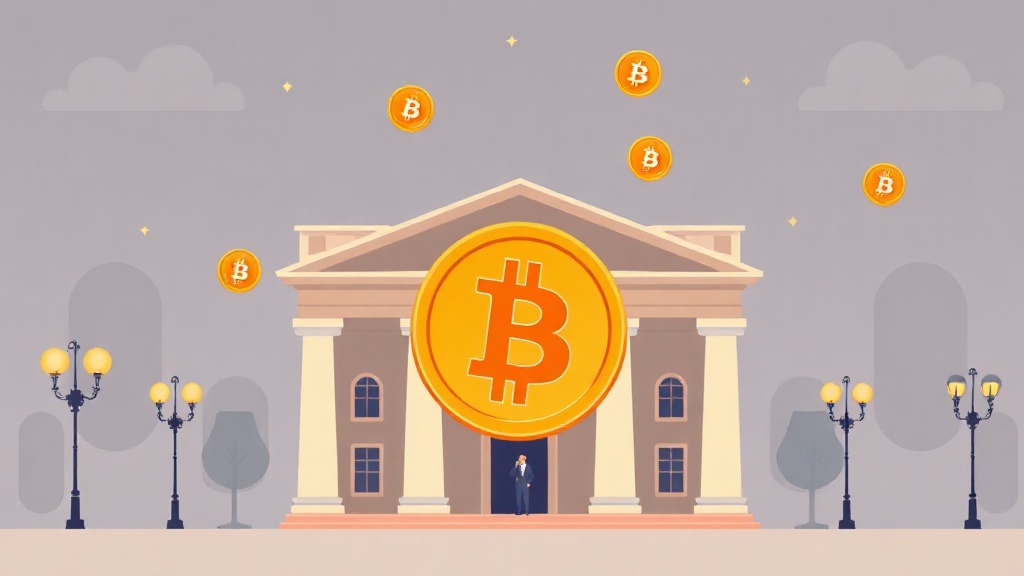
Understanding Central Bank Oversight in Modern Finance
Central banks play a pivotal role in shaping global financial stability, monetary policy, and economic growth. Their primary mandate is to maintain price stability, control inflation, and ensure the smooth functioning of payment systems. However, their oversight extends beyond traditional banking into digital assets, including cryptocurrencies. For privacy-conscious individuals in the crypto space, understanding how central banks observe financial activities is crucial to maintaining anonymity and security.
Central banks use a variety of tools—from interest rate adjustments to regulatory frameworks—to monitor economic trends. In recent years, their focus has expanded to include digital currencies, stablecoins, and decentralized finance (DeFi). This shift reflects the growing influence of blockchain technology and the need to mitigate risks such as money laundering and financial instability. By comprehending these mechanisms, crypto users can better navigate regulatory landscapes while protecting their privacy.
Key Methods Central Banks Use to Track Financial Activity
Central banks employ several strategies to observe financial flows, each with varying degrees of transparency and intrusiveness. Here’s a breakdown of their most common approaches:
- Regulatory Reporting and Compliance: Banks and financial institutions are required to report transactions above certain thresholds to authorities. This includes suspicious activity reports (SARs) and know-your-customer (KYC) data, which central banks analyze to detect illicit transactions.
- Real-Time Payment Monitoring: Systems like the Federal Reserve’s Fedwire or the European Central Bank’s TARGET2 track large-value transactions in real time. These systems help central banks identify systemic risks and unusual patterns.
- Blockchain Analytics Tools: Central banks increasingly use blockchain forensics to monitor crypto transactions. Tools like Chainalysis or Elliptic analyze on-chain data to trace the flow of funds, identify wallet clusters, and flag suspicious activities.
- Collaboration with International Bodies: Organizations like the Financial Action Task Force (FATF) and the Bank for International Settlements (BIS) facilitate cross-border data sharing. Central banks leverage these networks to track illicit financial flows across jurisdictions.
For crypto enthusiasts, this means that even decentralized transactions can be traced back to individuals if proper precautions aren’t taken. Privacy coins like Monero or techniques like coin mixing may offer temporary anonymity, but regulators are constantly improving their detection methods.
How Central Banks Influence Cryptocurrency Markets
Central banks don’t just observe—they actively shape the crypto landscape through policy, regulation, and indirect market interventions. Their actions can trigger volatility, influence adoption, and even determine the fate of certain digital assets. Here’s how they exert control:
- Regulatory Crackdowns: When central banks perceive crypto as a threat to financial stability or monetary sovereignty, they impose restrictions. For example, China’s 2021 ban on crypto transactions led to a mass exodus of miners and traders, causing a significant market downturn.
- Central Bank Digital Currencies (CBDCs): Over 100 countries are exploring CBDCs, which could compete with or even replace private cryptocurrencies. A CBDC would give central banks unprecedented control over transactions, enabling real-time monitoring and programmable money.
- Monetary Policy and Crypto Prices: Interest rate hikes or quantitative easing (QE) policies can indirectly affect crypto markets. For instance, when the U.S. Federal Reserve raises interest rates, risk assets like Bitcoin often experience sell-offs as investors seek safer returns.
- Stablecoin Scrutiny: Stablecoins, which peg their value to fiat currencies, are under intense regulatory scrutiny. Central banks fear they could undermine monetary policy or facilitate capital flight. Tether (USDT) and USD Coin (USDC) have faced multiple investigations over transparency and reserve backing.
For privacy-focused crypto users, these developments highlight the importance of staying informed about regulatory trends. Diversifying across compliant and non-compliant assets—or using privacy-preserving tools—can help mitigate risks associated with sudden policy shifts.
Practical Tips for Maintaining Crypto Privacy Amid Central Bank Oversight
While central banks and regulators are tightening their grip on financial systems, there are still ways to protect your privacy in the crypto space. Here are actionable strategies:
- Use Privacy-Focused Cryptocurrencies:
- Monero (XMR): A privacy coin that obscures sender, receiver, and transaction amounts using ring signatures and stealth addresses.
- Zcash (ZEC): Offers optional privacy features via zk-SNARKs, allowing users to shield transaction details.
- Dash: Includes a PrivateSend feature that mixes transactions to enhance anonymity.
- Leverage Mixing Services (with Caution): Tools like Wasabi Wallet or Samourai Wallet allow users to mix their coins, breaking the traceability chain. However, some services may log data, so choose reputable, non-custodial options.
- Use Decentralized Exchanges (DEXs): Platforms like Uniswap or Bisq don’t require KYC, reducing exposure to centralized surveillance. Trade directly from your wallet to minimize tracking.
- Practice Operational Security (OpSec):
- Avoid reusing addresses and use new ones for each transaction.
- Use VPNs and Tor to mask your IP address when accessing crypto services.
- Store your private keys offline in hardware wallets like Ledger or Trezor.
- Stay Informed About Regulations: Follow updates from central banks, FATF, and local authorities. Join crypto privacy communities (e.g., Monero Talk, r/Monero) to stay ahead of enforcement trends.
Remember: No method is 100% foolproof. Central banks and blockchain analytics firms are constantly evolving their tactics. The key is to combine privacy tools with sound financial practices to minimize exposure.
Future Trends: What’s Next for Central Banks and Crypto Privacy?
The relationship between central banks and cryptocurrencies is evolving rapidly. Here are some trends to watch in the coming years:
- CBDC Adoption and Surveillance: As CBDCs launch, they may integrate advanced monitoring features, such as real-time transaction tracking or spending limits. This could redefine financial privacy, especially in countries with authoritarian regimes.
- AI and Big Data in Monitoring: Central banks are increasingly using artificial intelligence to analyze transaction patterns. AI can detect anomalies faster than humans, making it harder to fly under the radar.
- Regulatory Arbitrage and Offshore Solutions: Some users may turn to jurisdictions with lax regulations (e.g., El Salvador for Bitcoin, or privacy-friendly countries for offshore banking). However, this comes with its own risks, including legal uncertainty and security concerns.
- Decentralized Identity Solutions: Projects like Worldcoin or Spruce ID aim to give users control over their digital identities. These could help balance privacy and compliance, allowing selective disclosure of personal data.
For crypto privacy advocates, the future may be a cat-and-mouse game. While central banks tighten their grip, innovators in the crypto space will continue developing tools to preserve anonymity. Staying educated and adaptable will be key to navigating this dynamic landscape.
Conclusion: Balancing Privacy and Compliance in a Centralized World
Central banks are not going away, and neither is their influence over financial systems—including cryptocurrencies. Their oversight is driven by legitimate concerns about financial crime, stability, and monetary control. However, this doesn’t mean crypto users must sacrifice all privacy. By understanding how central banks operate and adopting proactive privacy measures, you can protect your financial autonomy while staying compliant with regulations.
Start by assessing your risk tolerance: Are you prioritizing privacy above all, or do you need a balance between anonymity and accessibility? Use privacy coins, decentralized tools, and strong OpSec practices to minimize exposure. Stay updated on regulatory changes, and diversify your strategies to adapt to evolving threats.
Ultimately, the crypto ecosystem thrives on innovation and freedom. As central banks adapt, so too must privacy advocates—always one step ahead, always informed, and always in control of their financial future.
Related articles


Understanding Mixer Session Expiry in Cryptocurrency Privacy

How to Achieve a Cookie-Free Crypto Mixing Session for Maximum Privacy

Secure Your Crypto: The Ultimate Guide to NoScript-Compatible Tumblers

Mix Your Crypto Without JavaScript: A Privacy-Friendly Guide

Metadata Minimization Mixer: Enhance Crypto Privacy Today
Looking for a privacy tool?
Browse every mixer, exchanger and Telegram bot in one place.