How Sanctioned Address Rejection Protects Your Crypto Privacy
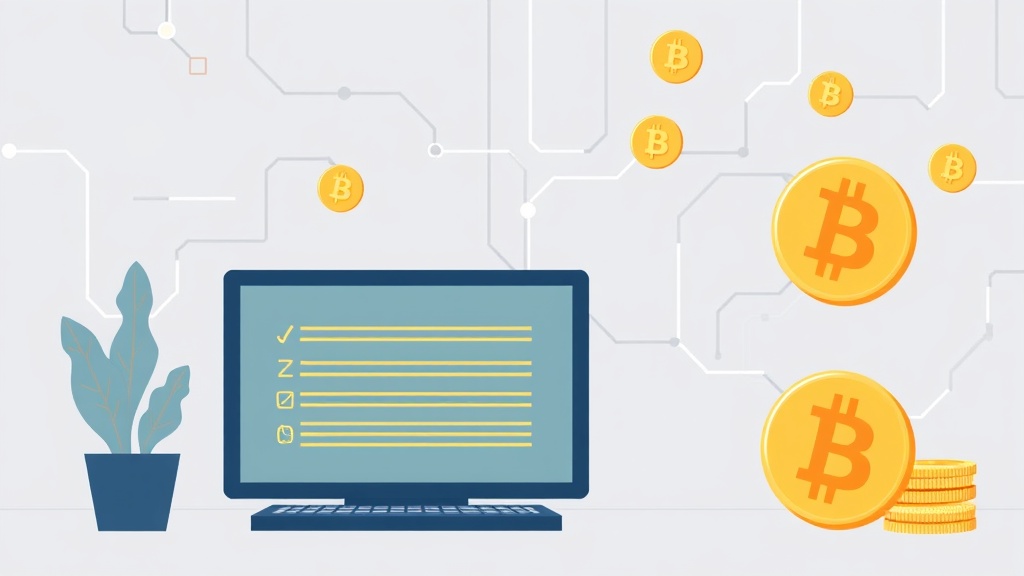
Understanding Sanctioned Address Rejection in Cryptocurrency
Sanctioned address rejection is a critical feature in the world of cryptocurrency that helps users avoid interacting with addresses linked to illegal activities or sanctioned entities. When a transaction involves a sanctioned address, it is automatically blocked or flagged by compliance systems, ensuring that funds do not flow to or from restricted parties. This mechanism is essential for maintaining the integrity of the financial system and protecting users from unintended legal exposure.
Cryptocurrency privacy enthusiasts must understand how sanctioned address rejection works, as it directly impacts their ability to transact securely. By preventing interactions with high-risk addresses, this system reduces the chances of accidentally funding illicit activities or facing regulatory penalties. It also enhances the overall trustworthiness of the blockchain ecosystem.
Why Sanctioned Address Rejection Matters for Privacy-Conscious Users
For individuals who prioritize financial privacy, sanctioned address rejection is a double-edged sword. On one hand, it provides a layer of security by preventing accidental exposure to illegal transactions. On the other hand, it raises concerns about censorship and the potential for false positives, where legitimate transactions might be blocked due to flawed compliance systems.
Privacy-focused users must balance the need for security with the desire to maintain anonymity. Sanctioned address rejection helps achieve this by ensuring that funds are not tainted by association with sanctioned entities. However, it is crucial to use tools and wallets that implement this feature transparently, without compromising user control over their assets.
How Sanctioned Address Rejection Works in Practice
Sanctioned address rejection operates through a combination of blockchain analytics, regulatory databases, and compliance protocols. Here’s a step-by-step breakdown of how it functions:
- Database Integration: Compliance systems integrate with global sanctions databases, such as those maintained by the OFAC (Office of Foreign Assets Control) or the UN. These databases contain lists of addresses, entities, and individuals subject to sanctions.
- Real-Time Monitoring: When a transaction is initiated, the system scans the recipient and sender addresses against the sanctions database. If a match is found, the transaction is either blocked or flagged for further review.
- Automated Alerts: Users are notified if their transaction involves a sanctioned address, allowing them to take corrective action, such as canceling the transaction or contacting support.
- Blockchain Forensics: Advanced systems use blockchain forensics to trace the origin and destination of funds, ensuring that even indirect exposure to sanctioned entities is detected.
This multi-layered approach ensures that sanctioned address rejection is both effective and reliable, reducing the risk of unintended legal exposure.
Tools and Wallets That Support Sanctioned Address Rejection
Not all cryptocurrency wallets and exchanges support sanctioned address rejection, so it’s essential to choose platforms that prioritize compliance and user safety. Here are some of the top tools and services that implement this feature:
- Coinbase: One of the most regulated exchanges, Coinbase actively monitors transactions for sanctioned addresses and blocks them when necessary.
- Kraken: Kraken’s compliance team ensures that all transactions comply with global regulations, including sanctioned address rejection.
- Ledger Wallets: Hardware wallets like Ledger integrate with compliance tools to scan addresses before transactions are confirmed.
- Trezor: Trezor wallets support third-party integrations that can scan for sanctioned addresses, providing an additional layer of security.
- Wasabi Wallet: A privacy-focused wallet that includes optional compliance features to reject transactions involving sanctioned addresses.
When selecting a wallet or exchange, look for platforms that are transparent about their compliance measures and provide clear notifications when a transaction is flagged.
Best Practices for Avoiding Sanctioned Addresses
To ensure your cryptocurrency transactions remain private and compliant, follow these best practices:
- Use Reputable Wallets and Exchanges: Stick to platforms with strong compliance protocols, such as Coinbase, Kraken, or Ledger.
- Enable Address Scanning: If your wallet supports it, enable real-time scanning for sanctioned addresses to catch issues before they occur.
- Verify Addresses Manually: Before sending funds, double-check the recipient address using blockchain explorers or compliance tools to ensure it’s not linked to sanctioned entities.
- Stay Updated on Sanctions Lists: Regularly review global sanctions databases to stay informed about new additions that could affect your transactions.
- Use Privacy Tools Wisely: Privacy-focused tools like mixers or tumblers can help obscure transaction trails, but be cautious of their compliance features to avoid sanctioned address exposure.
By following these practices, you can minimize the risk of interacting with sanctioned addresses while maintaining your financial privacy.
Conclusion: Balancing Privacy and Compliance in Cryptocurrency
Sanctioned address rejection is a vital tool for cryptocurrency users who want to protect themselves from legal risks while maintaining financial privacy. By understanding how this system works and using the right tools, you can ensure that your transactions remain secure and compliant with global regulations.
For privacy enthusiasts, the key is to strike a balance between anonymity and compliance. Choose wallets and exchanges that prioritize transparency and user control, and always stay informed about the latest developments in sanctions and blockchain forensics. With the right approach, you can enjoy the benefits of cryptocurrency while minimizing your exposure to legal and financial risks.
Related articles
Top 5 KYC-Free Bitcoin Tumblers for Maximum Privacy in 2024
Compliance-Free Crypto Mixing: How to Protect Your Privacy in 2024
Secure Your Crypto: The Ultimate Guide to Blacklist Address Screening
Secure Your Crypto Mixer: The Power of Address Whitelisting
What to Do When Your Crypto Transaction Isn't Received: A Step-by-Step Guide
Looking for a privacy tool?
Browse every mixer, exchanger and Telegram bot in one place.