How to Sweep a Paper Wallet Privately
Understanding Paper Wallets and Their Risks
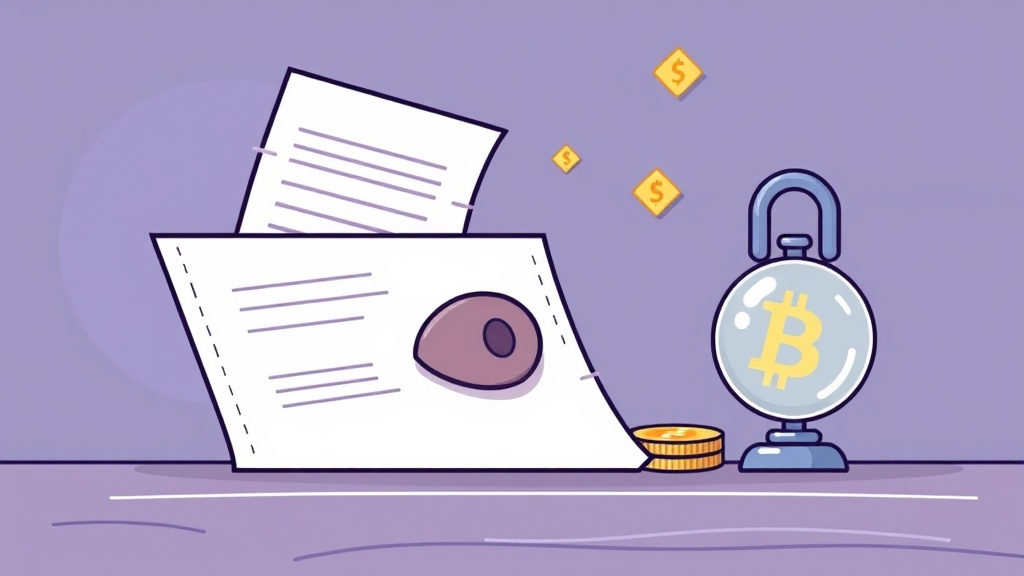
Paper wallets are physical representations of cryptocurrency holdings, typically consisting of a public address and private key printed on paper. While they offer a secure offline storage solution, they come with inherent risks. If a paper wallet is lost, stolen, or damaged, the funds it contains become irretrievable. Additionally, improper handling or exposure of the private key can lead to unauthorized access. Understanding these risks is crucial before attempting to sweep a paper wallet privately.
Preparing for a Private Sweep
Before initiating a sweep, ensure you have the necessary tools and knowledge. First, verify that the paper wallet is valid and contains the correct public address and private key. Use a trusted QR code scanner to double-check the information. Next, set up a secure environment by disconnecting from the internet and using a trusted, offline device. This minimizes the risk of malware or keyloggers compromising your private key during the process.
Executing the Sweep Securely
To sweep a paper wallet privately, follow these steps: First, import the private key into a cryptocurrency wallet that supports offline transactions. Popular options include Electrum for Bitcoin or MyEtherWallet for Ethereum. Once imported, initiate the sweep by transferring the funds to a new wallet address. Ensure the new address is generated offline to maintain privacy. Avoid using public Wi-Fi or shared devices during this process to prevent exposure.
Post-Sweep Best Practices
After completing the sweep, take additional steps to enhance security. Delete the private key from the wallet software and any temporary files where it may have been stored. Consider using a hardware wallet for future storage to further reduce risks. Finally, shred the original paper wallet to prevent physical theft. These measures ensure that your funds remain secure and your privacy is maintained.
Practical Tips for Private Sweeping
- Use a dedicated offline device to avoid malware exposure.
- Verify the paper wallet's authenticity before importing the private key.
- Generate new wallet addresses offline to maintain privacy.
- Shred the paper wallet after the sweep to prevent physical theft.
- Avoid public networks during the process to reduce tracking risks.
By following these guidelines, you can confidently sweep a paper wallet while prioritizing privacy and security. Always stay informed about best practices to protect your cryptocurrency assets.
Related articles


Looking for a privacy tool?
Browse every mixer, exchanger and Telegram bot in one place.