Privacy in Government-Backed Cryptocurrencies: What You Need to Know
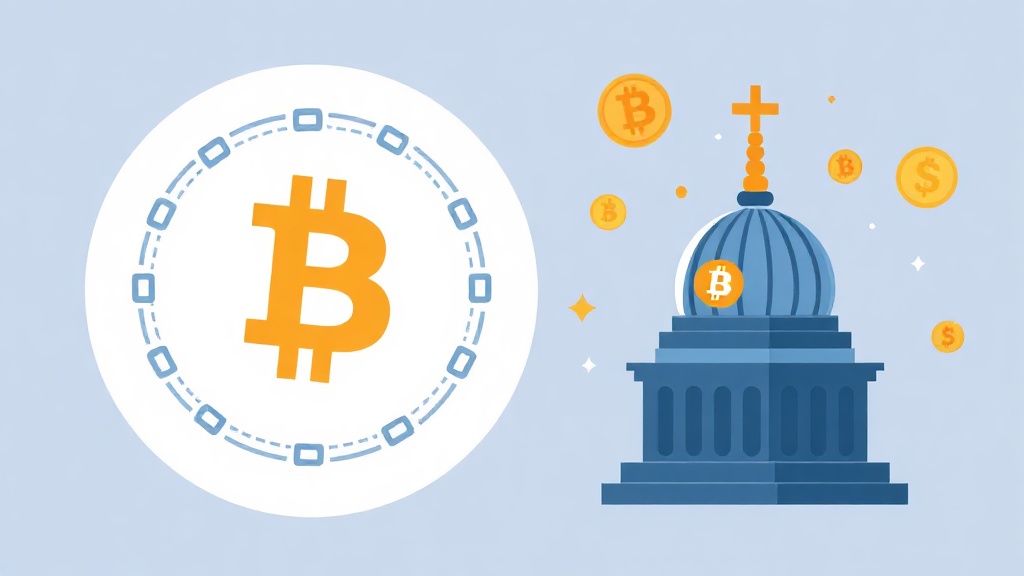
Introduction: The Rise of Government-Issued Digital Currencies
Government-backed cryptocurrencies, often called Central Bank Digital Currencies (CBDCs), are gaining traction worldwide. Unlike decentralized cryptocurrencies like Bitcoin, CBDCs are issued and controlled by central authorities. While they promise faster transactions and financial inclusion, they also raise significant concerns about privacy and surveillance. As governments explore these digital currencies, users must understand how they work and what privacy implications they carry.
How Government Cryptocurrencies Differ from Traditional Cryptocurrencies
Traditional cryptocurrencies operate on decentralized networks, ensuring user anonymity and transactional privacy. In contrast, CBDCs are centralized, meaning governments have full visibility into transactions. Here’s how they differ:
- Control: CBDCs are issued by central banks, giving governments direct oversight of monetary policy and user transactions.
- Privacy Levels: Unlike Bitcoin, where transactions are pseudonymous, CBDCs may require full identity verification, reducing anonymity.
- Traceability: Every transaction in a CBDC can be tracked, monitored, and potentially restricted by authorities.
- Programmability: Governments can implement smart contracts to enforce spending rules, such as restricting purchases of certain goods.
These features make CBDCs powerful tools for financial oversight but also raise concerns about mass surveillance and loss of financial freedom.
The Privacy Risks of Government-Backed Digital Currencies
While CBDCs aim to modernize financial systems, their design often conflicts with privacy expectations. Here are the key risks:
- Complete Transaction Monitoring: Governments can track every payment, creating a detailed financial profile of individuals.
- Censorship and Freezing of Funds: Authorities may block transactions or freeze accounts without judicial oversight.
- Data Breaches and Misuse: Centralized databases storing transaction data are prime targets for hackers or government misuse.
- Social Credit Systems: Some countries may link CBDC usage to social behavior, penalizing dissent or unapproved activities.
For privacy-conscious users, these risks highlight the need for caution when adopting government-issued digital currencies.
Countries Leading in CBDC Development and Their Privacy Approaches
Several nations are at the forefront of CBDC adoption, each with varying approaches to privacy:
- China (Digital Yuan):
- Requires real-name registration for all transactions.
- Allows limited anonymity for small transactions but full tracking for larger ones.
- Used for social control, including restricting spending in certain regions.
- European Union (Digital Euro):
- Proposes a privacy-friendly model with anonymity for small transactions.
- Still under debate, with concerns about mass surveillance outweighing benefits.
- United States (Digital Dollar):
- No concrete plans yet, but discussions emphasize financial surveillance.
- Potential integration with existing banking systems, reducing anonymity.
- Sweden (e-krona):
- Explores offline transactions to enhance privacy.
- Still in pilot phase, with no final decision on traceability.
These examples show that while some countries prioritize privacy, others may sacrifice it for control.
How to Protect Your Privacy When Using Government Cryptocurrencies
If you must use a CBDC, consider these strategies to minimize privacy risks:
- Avoid Full Identity Linking: Use minimal personal data when registering for a CBDC wallet.
- Limit Transaction Size: Some CBDCs allow small anonymous transactions—keep transactions below the threshold.
- Use Offline Wallets: If available, store CBDC offline to reduce tracking risks.
- Monitor Government Policies: Stay updated on CBDC regulations to avoid unexpected restrictions.
- Diversify with Privacy Coins: Use decentralized cryptocurrencies like Monero or Zcash for private transactions while keeping CBDCs for regulated use.
These steps can help balance compliance with financial privacy.
Conclusion: Balancing Innovation and Privacy in Digital Currencies
Government-backed cryptocurrencies offer efficiency and control but come at the cost of privacy. As CBDCs become more widespread, users must weigh the benefits against the risks of surveillance and financial censorship. While some countries experiment with privacy-preserving designs, others prioritize control over anonymity. For those who value financial freedom, diversifying with decentralized cryptocurrencies remains a viable alternative. Ultimately, staying informed and proactive is key to navigating the evolving landscape of digital money.
Related articles


Understanding Mixer Session Expiry in Cryptocurrency Privacy

How to Achieve a Cookie-Free Crypto Mixing Session for Maximum Privacy

Secure Your Crypto: The Ultimate Guide to NoScript-Compatible Tumblers

Mix Your Crypto Without JavaScript: A Privacy-Friendly Guide

Metadata Minimization Mixer: Enhance Crypto Privacy Today
Looking for a privacy tool?
Browse every mixer, exchanger and Telegram bot in one place.