Secure Your Crypto: Ultimate Guide to Private Key Protection
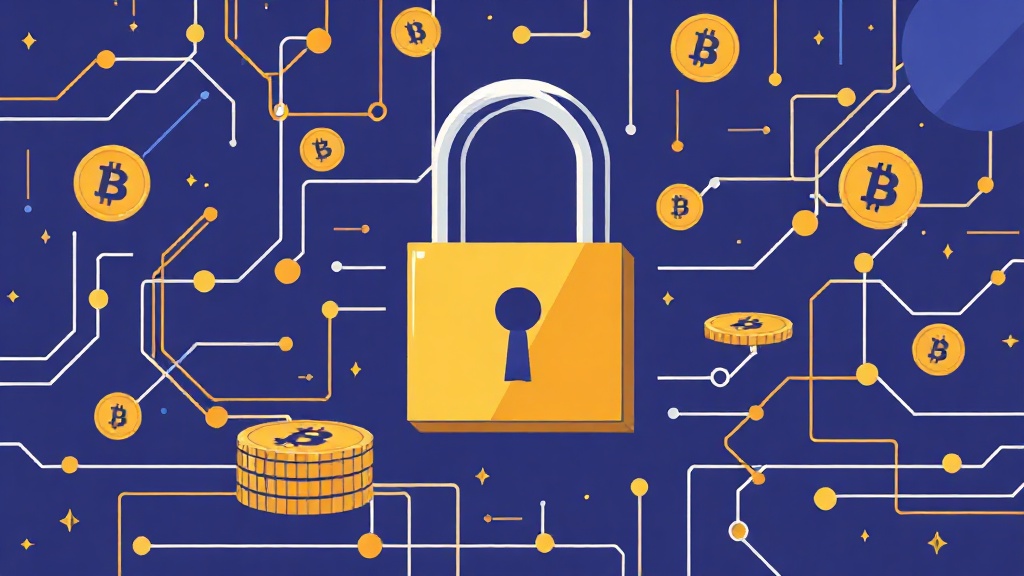
Why Private Key Security is Non-Negotiable in Crypto
In the world of cryptocurrency, your private key is the golden ticket to your digital wealth. Unlike a password that can be reset, a private key is your sole access point to your funds on the blockchain. Losing it means losing access forever—no customer support can recover it. This is why private key protection isn’t just a best practice; it’s a survival strategy for crypto investors. Whether you’re holding Bitcoin, Ethereum, or any other asset, securing your private key should be your top priority.
Cybercriminals, phishing scams, and even human error pose constant threats. In 2023 alone, over $1.7 billion was stolen in crypto-related crimes, with private key breaches being a leading cause. The decentralized nature of blockchain means there’s no central authority to reverse transactions or refund lost funds. Your private key is your responsibility—and your only line of defense.
Understanding Private Keys: The Backbone of Crypto Security
A private key is a sophisticated form of cryptography that allows you to access and manage your cryptocurrency. It’s a long, randomly generated string of alphanumeric characters (typically 256 bits) that proves ownership of a blockchain address. Think of it as the password to your digital vault, but with one critical difference: if you lose it, there’s no recovery.
Private keys work in tandem with public keys, which are derived from them and used to generate your wallet address. While public keys can be shared safely, private keys must remain secret. When you initiate a transaction, your private key signs it cryptographically, proving to the network that you have the authority to move the funds. This system ensures that only you can authorize transactions from your wallet.
There are different types of wallets, each with varying levels of private key exposure:
- Hot Wallets (Software Wallets): These are connected to the internet (e.g., mobile or desktop apps like MetaMask or Trust Wallet). They’re convenient for daily transactions but more vulnerable to hacking.
- Cold Wallets (Hardware Wallets): These are offline devices (e.g., Ledger or Trezor) that store private keys securely. They’re immune to online attacks but require physical access to use.
- Paper Wallets: These involve printing your private key on paper. While offline, they’re susceptible to physical damage or loss.
- Brain Wallets: These derive keys from a passphrase you memorize. While secure in theory, weak passphrases can be cracked.
Top 5 Threats to Your Private Key (And How to Avoid Them)
Private keys face a barrage of threats, from digital espionage to physical theft. Here are the most common risks and how to mitigate them:
1. Phishing and Social Engineering Attacks
Cybercriminals often impersonate wallet providers, exchanges, or support teams to trick users into revealing their private keys. These attacks can come via email, fake websites, or even phone calls. For example, a scammer might send you a link to a "secure login page" that’s actually a clone designed to steal your credentials.
How to protect yourself:
- Never share your private key: Legitimate companies will never ask for it.
- Verify URLs: Double-check website domains for typos (e.g., "metmask.com" instead of "metamask.com").
- Use bookmarks: Save official wallet/exchange URLs in your browser to avoid mistyping.
- Enable two-factor authentication (2FA): Adds an extra layer of security beyond passwords.
2. Malware and Keyloggers
Malicious software can infect your device, logging keystrokes or capturing screenshots to steal your private key. Keyloggers, in particular, record everything you type, including passwords and seed phrases. Public Wi-Fi networks are hotspots for such attacks, as hackers can intercept unencrypted data.
How to protect yourself:
- Use antivirus software: Keep it updated to block malware.
- Avoid public Wi-Fi: If you must, use a VPN with strong encryption.
- Disable auto-fill: Prevents malware from auto-completing forms with your private key.
- Use a dedicated device: Reserve a separate computer or phone for crypto transactions.
3. Physical Theft or Loss
If your private key is stored digitally (e.g., on a computer or phone), it’s vulnerable to theft. Even hardware wallets can be compromised if stolen. Physical loss is equally dangerous—if you misplace a paper wallet or forget a brain wallet passphrase, your funds are gone forever.
How to protect yourself:
- Store backups securely: Keep multiple copies in separate, secure locations (e.g., a safe deposit box).
- Use a hardware wallet: Offline storage reduces online theft risks.
- Shred paper wallets: If disposing of them, ensure they’re completely destroyed.
- Memorize brain wallets: Only use strong, unique passphrases you can recall easily.
4. Exchange Hacks and Custodial Risks
Many users store private keys on exchanges for convenience, but exchanges are prime targets for hackers. In 2014, Mt. Gox lost 850,000 Bitcoins in a single breach. Even today, exchanges like Binance and KuCoin have faced multi-million-dollar thefts. When you leave your private key on an exchange, you’re trusting a third party with your security—and history shows that’s a risky bet.
How to protect yourself:
- Use non-custodial wallets: Wallets like Electrum or Exodus give you full control over your private keys.
- Withdraw funds to cold storage: Move assets to a hardware wallet or paper wallet after trading.
- Research exchanges: Choose platforms with strong security track records and insurance policies.
- Enable withdrawal whitelists: Restrict withdrawals to pre-approved addresses only.
5. Human Error and Poor Backup Practices
Mistakes happen—whether it’s deleting a wallet file, forgetting a password, or misplacing a seed phrase. Without a proper backup, these errors can be catastrophic. For example, if you lose your seed phrase (the backup for your wallet), you’ll lose access to all funds linked to that wallet.
How to protect yourself:
- Write down your seed phrase: Store it offline in a secure location (e.g., a metal backup).
- Use a passphrase: Add an extra word to your seed phrase for enhanced security.
- Test your backups: Periodically verify that your backups can restore your wallet.
- Use a password manager: For software wallets, store passwords securely but avoid saving private keys in them.
Step-by-Step: How to Secure Your Private Key Like a Pro
Now that you know the threats, here’s a practical guide to securing your private key:
Step 1: Choose the Right Wallet
Select a wallet based on your needs:
- For daily use: A hot wallet with strong 2FA (e.g., MetaMask with Ledger).
- For long-term storage: A hardware wallet (e.g., Ledger Nano X or Trezor Model T).
- For anonymity: A paper wallet or brain wallet with a strong passphrase.
Step 2: Generate and Store Your Private Key Securely
When setting up a wallet:
- Use a trusted wallet provider: Research reviews and security features.
- Generate keys offline: Some wallets (like Electrum) allow offline key generation for extra security.
- Never store keys digitally: Avoid saving them in cloud storage, emails, or notes apps.
- Use a hardware wallet’s seed phrase: Write it down on a metal backup (e.g., Cryptosteel) to prevent fire/water damage.
Step 3: Implement Multi-Layered Security
Combine multiple security measures for robust protection:
- Enable 2FA: Use apps like Google Authenticator or Authy instead of SMS (which can be hijacked).
- Set up a PIN or passphrase: Adds an extra layer for hardware wallets.
- Use a VPN: Encrypts your internet traffic when accessing wallets.
- Enable transaction confirmations: Some wallets require manual approval for transactions.
Step 4: Backup and Test Your Setup
Backups are your safety net—test them regularly:
- Store backups in multiple locations: Home safe, bank deposit box, or trusted family member’s home.
- Use metal backups: Fireproof and waterproof options like Billfodl or CryptoKeyStack.
- Test recovery: Restore your wallet from backup to ensure it works.
- Update your backup strategy: As you add new assets, update your backups accordingly.
Step 5: Stay Vigilant and Educate Yourself
Security is an ongoing process. Stay informed about new threats and update your practices:
- Follow crypto security news: Websites like CoinTelegraph or CryptoSlate cover the latest scams.
- Join crypto communities: Reddit’s r/cryptosecurity or Discord groups for real-time advice.
- Use open-source wallets: Transparency reduces the risk of hidden backdoors.
- Practice operational security (OpSec): Avoid discussing your holdings or wallet setup publicly.
Final Thoughts: Your Private Key is Your Responsibility
In the decentralized world of cryptocurrency, private key protection is your ultimate responsibility. There’s no bank to call, no fraud department to appeal to—just you and your security practices. By understanding the risks, choosing the right tools, and implementing robust safeguards, you can significantly reduce the chances of losing your funds.
Remember: convenience often comes at the cost of security. While hot wallets and exchanges offer ease of use, they’re not the best for long-term storage. For maximum protection, combine cold storage with multi-layered security and regular backups. And always, always keep your private key offline and out of reach from prying eyes.
Your crypto journey starts with a single step—securing your private key. Take that step seriously, and your digital wealth will remain safe for years to come.
Related articles


Understanding Mixer Session Expiry in Cryptocurrency Privacy

How to Achieve a Cookie-Free Crypto Mixing Session for Maximum Privacy

Secure Your Crypto: The Ultimate Guide to NoScript-Compatible Tumblers

Mix Your Crypto Without JavaScript: A Privacy-Friendly Guide

Metadata Minimization Mixer: Enhance Crypto Privacy Today
Looking for a privacy tool?
Browse every mixer, exchanger and Telegram bot in one place.