SGX Enclaves: The Future of Secure Cryptocurrency Privacy
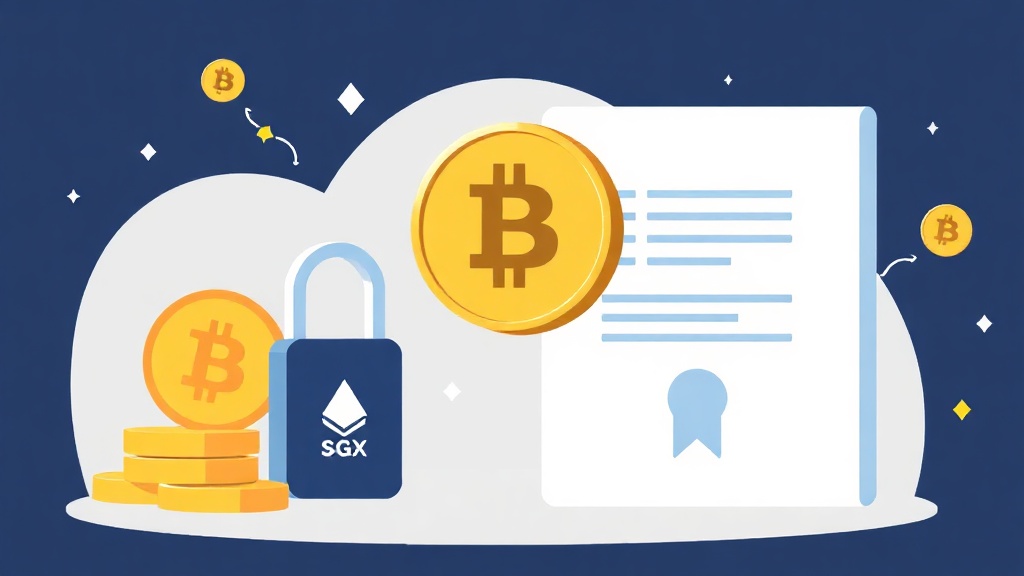
Understanding SGX Enclaves and Their Role in Privacy
In the ever-evolving world of cryptocurrency, privacy remains a top priority for users and investors alike. One of the most innovative technologies addressing this concern is Intel Software Guard Extensions (SGX), a set of security-related instruction codes built into modern Intel processors. SGX enclaves create isolated, encrypted memory regions that protect sensitive data from external access, even from the operating system or hypervisor. This makes them a powerful tool for enhancing privacy in blockchain transactions and cryptocurrency operations.
For cryptocurrency enthusiasts, SGX enclaves offer a way to secure private keys, transaction data, and smart contract computations without exposing them to potential threats. By leveraging hardware-based security, SGX ensures that sensitive operations remain confidential, reducing the risk of hacks, malware, or unauthorized access. As privacy concerns grow, understanding how SGX works—and its limitations—becomes essential for anyone serious about safeguarding their digital assets.
How SGX Enclaves Enhance Cryptocurrency Privacy
SGX enclaves provide a secure environment for executing cryptographic operations, such as signing transactions or verifying smart contracts, without exposing the underlying data to the rest of the system. Here’s how they contribute to privacy in the cryptocurrency space:
- Isolated Execution: SGX enclaves run in a protected memory region, ensuring that even if the main system is compromised, the data inside the enclave remains secure.
- Encrypted Memory: All data within an SGX enclave is encrypted in real-time, preventing unauthorized access or tampering.
- Remote Attestation: Users can verify that an enclave is running genuine, unmodified code, ensuring trust in third-party services like privacy-focused wallets or exchanges.
- Secure Multi-Party Computation (sMPC): SGX can be combined with other privacy-preserving techniques to enable secure, decentralized computations without revealing inputs.
Projects like Secret Network and Phala Network already leverage SGX to offer privacy-preserving smart contracts, allowing users to execute transactions without exposing sensitive data. This is particularly valuable in decentralized finance (DeFi), where transaction privacy can be a competitive advantage.
Real-World Applications of SGX in Cryptocurrency
SGX enclaves are not just theoretical—they’re already being used in several privacy-focused blockchain projects. Here are some key applications:
- Privacy Wallets: Wallets like Enigma use SGX to encrypt private keys and transaction data, ensuring that even wallet providers cannot access user funds.
- Confidential Transactions: Projects like Monero and Zcash explore SGX to enhance their privacy features, such as stealth addresses and zero-knowledge proofs.
- Decentralized Exchanges (DEXs): SGX can secure order books and trade execution, preventing front-running and other market manipulations.
- Enterprise Blockchain: Companies using blockchain for supply chain or financial transactions can rely on SGX to protect sensitive business data.
For example, Phala Network uses SGX to create a privacy-preserving cloud computing platform for blockchain applications. By running computations inside enclaves, Phala ensures that data remains confidential even from node operators, making it ideal for DeFi and other privacy-sensitive use cases.
Challenges and Limitations of SGX for Privacy
While SGX enclaves offer robust security, they are not without challenges. Understanding these limitations is crucial for users and developers:
- Side-Channel Attacks: SGX enclaves are vulnerable to attacks like Spectre and Meltdown, which exploit CPU vulnerabilities to leak data. Intel has released patches, but risks remain.
- Hardware Dependence: SGX requires Intel processors, limiting its use on other hardware platforms like AMD or ARM.
- Trust in Intel: Since SGX is a proprietary technology, users must trust Intel’s implementation and security claims. This centralization of trust can be a concern for decentralization advocates.
- Complexity: Implementing SGX in applications requires specialized knowledge, making it less accessible for smaller projects.
To mitigate these risks, developers should combine SGX with other privacy tools, such as zero-knowledge proofs (ZKPs) or multi-party computation (MPC). Additionally, staying updated on Intel’s security advisories and patches is essential for maintaining enclave security.
Practical Tips for Using SGX for Cryptocurrency Privacy
If you’re considering using SGX for privacy in cryptocurrency, follow these best practices to maximize security and effectiveness:
- Choose Reputable Projects: Opt for well-audited projects like Secret Network or Phala Network that leverage SGX securely.
- Keep Software Updated: Regularly update your Intel processor’s firmware and SGX SDK to patch known vulnerabilities.
- Use Hardware Wallets: Combine SGX with hardware wallets like Ledger or Trezor for an extra layer of security.
- Enable Remote Attestation: Verify that the enclave is running genuine code before trusting it with sensitive operations.
- Diversify Privacy Tools: Don’t rely solely on SGX—use it alongside other privacy methods like VPNs, Tor, or coin mixing services.
- Monitor for Side-Channel Risks: Stay informed about new attack vectors and adjust your security practices accordingly.
By following these steps, you can leverage SGX enclaves to enhance your cryptocurrency privacy while minimizing risks. Remember, no single tool can guarantee perfect security—layering multiple defenses is key.
Conclusion: Is SGX the Future of Cryptocurrency Privacy?
SGX enclaves represent a significant advancement in cryptocurrency privacy, offering hardware-based security that is difficult to replicate with software alone. Projects like Secret Network and Phala Network demonstrate how SGX can enable truly private smart contracts and transactions, addressing one of the biggest challenges in blockchain technology.
However, SGX is not a silver bullet. Its reliance on Intel hardware, vulnerability to side-channel attacks, and centralization concerns mean it should be used as part of a broader privacy strategy. For cryptocurrency users and developers, the key is to stay informed, adopt best practices, and combine SGX with other privacy-preserving technologies.
As privacy regulations tighten and users demand more control over their data, technologies like SGX will play an increasingly important role. By understanding how SGX works—and its limitations—you can make informed decisions about how to protect your digital assets in an ever-more-transparent world.
Related articles


Understanding Mixer Session Expiry in Cryptocurrency Privacy

How to Achieve a Cookie-Free Crypto Mixing Session for Maximum Privacy

Secure Your Crypto: The Ultimate Guide to NoScript-Compatible Tumblers

Mix Your Crypto Without JavaScript: A Privacy-Friendly Guide

Metadata Minimization Mixer: Enhance Crypto Privacy Today
Looking for a privacy tool?
Browse every mixer, exchanger and Telegram bot in one place.