Third-Party Blocking: Protect Your Crypto Privacy Now
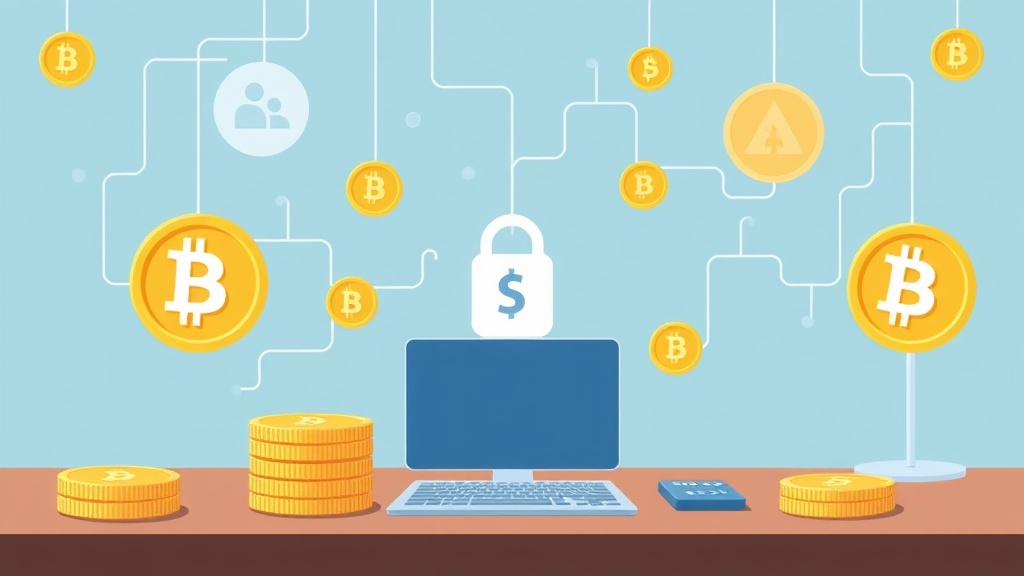
Why Third-Party Blocking Matters for Crypto Privacy
In the fast-paced world of cryptocurrency, privacy isn’t just a luxury—it’s a necessity. Every transaction you make, every wallet you interact with, and every exchange you use leaves digital footprints that can be traced back to you. Third-party blocking is a powerful tool to reduce exposure, minimize tracking, and reclaim control over your financial privacy. By preventing unauthorized entities from accessing your data, you create a safer environment for your crypto activities.
Without proactive measures, your transaction history, wallet addresses, and even your IP address can be exposed to data brokers, advertisers, and malicious actors. Blocking third parties—such as analytics services, tracking pixels, and external APIs—helps shield your identity from prying eyes. This is especially critical for privacy-focused users who rely on decentralized networks and self-custody solutions.
How Third-Party Tracking Works in Crypto Transactions
Many crypto platforms and services rely on third-party tools to monitor user behavior, optimize performance, or comply with regulations. These tools often include:
- Analytics services (e.g., Google Analytics, Mixpanel) that track user interactions on exchange websites.
- Advertising networks that collect data for targeted marketing.
- Blockchain explorers that log transaction details publicly.
- Wallet fingerprinting scripts that identify unique device configurations.
When you connect to a decentralized app (dApp) or use a centralized exchange, these services can log your IP, browser type, wallet address, and transaction patterns. Even if you use a VPN or Tor, some tracking mechanisms bypass these protections. Understanding how tracking works is the first step toward implementing effective blocking strategies.
Top Tools and Methods to Block Third-Party Access
Fortunately, several tools and techniques can help you block third-party tracking in your crypto workflow. Here are the most effective options:
- Privacy-Focused Browsers: Use browsers like Brave, Firefox with uBlock Origin, or Tor Browser to prevent tracking scripts from loading.
- Browser Extensions: Install extensions such as Privacy Badger, Ghostery, or NoScript to block trackers, cookies, and fingerprinting attempts.
- DNS-Level Blocking: Configure your DNS to use privacy services like NextDNS, Cloudflare’s 1.1.1.1 with Privacy-First settings, or AdGuard DNS to block known tracking domains.
- VPN and Tor: Use a trustworthy VPN (e.g., Mullvad, ProtonVPN) or Tor to mask your IP address and prevent geolocation tracking.
- Hardware Wallets with Isolation: Pair your hardware wallet (e.g., Ledger, Trezor) with a dedicated, privacy-focused device to minimize exposure.
By combining these tools, you create multiple layers of defense against third-party surveillance, making it significantly harder for trackers to profile your crypto activity.
Step-by-Step Guide: Blocking Third Parties in Your Crypto Workflow
Ready to take action? Follow this practical guide to block third-party access in your daily crypto operations:
- Secure Your Browser:
- Switch to a privacy-first browser like Brave or Firefox.
- Install uBlock Origin and enable "EasyList + EasyPrivacy" filters.
- Disable unnecessary browser features like WebRTC (which can leak your IP).
- Configure DNS for Maximum Privacy:
- Go to your network settings and replace your default DNS with NextDNS or AdGuard DNS.
- Enable logging and block lists for trackers, malware, and cryptojacking domains.
- Use a Privacy VPN or Tor:
- Connect to a VPN server before accessing crypto exchanges or dApps.
- For maximum anonymity, use Tor Browser to access blockchain explorers or wallet interfaces.
- Isolate Your Crypto Activities:
- Use a separate device or virtual machine for crypto transactions.
- Avoid logging into multiple services with the same browser profile.
- Clear cookies and cache regularly, or use a dedicated profile for crypto.
- Monitor and Test Your Setup:
- Use tools like Cover Your Tracks (by EFF) to check if your browser is leaking data.
- Regularly audit your DNS queries and network traffic using Wireshark or similar tools.
By following these steps, you’ll drastically reduce the amount of data third parties can collect about your crypto activities, enhancing both your privacy and security.
Common Mistakes to Avoid When Blocking Third Parties
Even with the best intentions, it’s easy to make mistakes that undermine your privacy efforts. Here are some pitfalls to watch out for:
- Overlooking Browser Fingerprinting: Even with extensions, your browser’s unique configuration (e.g., screen resolution, fonts) can be used to track you. Use fingerprinting-resistant modes in Brave or Tor.
- Using Untrusted VPNs: Free or unknown VPNs may log your data or inject tracking scripts. Stick to reputable, audited providers like ProtonVPN or Mullvad.
- Ignoring Mobile Privacy: Mobile apps often have aggressive tracking. Use GrapheneOS (for Android) or iOS with strict app permissions to limit exposure.
- Connecting to Public Wi-Fi Without Protection: Public networks are hotspots for MITM attacks. Always use a VPN when accessing crypto services on the go.
- Assuming Anonymity Without Testing: Privacy requires verification. Regularly test your setup using tools like ipleak.net or browserleaks.com.
By avoiding these mistakes, you’ll ensure your third-party blocking efforts are both effective and reliable.
Conclusion: Take Control of Your Crypto Privacy Today
Third-party blocking isn’t just about hiding from prying eyes—it’s about reclaiming your financial sovereignty. In a world where data is the new gold, your crypto transactions deserve the same level of protection as your bank account. By implementing the tools and strategies outlined in this guide, you can significantly reduce tracking, minimize exposure, and transact with confidence.
Start small: switch to a privacy-focused browser, install a tracker blocker, and test your setup. Then, gradually layer in DNS protection, VPNs, and device isolation. The more barriers you put between your data and third parties, the harder it becomes for them to profile or exploit you.
Remember, privacy is a journey, not a destination. Stay informed, adapt to new threats, and always prioritize tools that put you—not corporations or governments—in control of your data. Your crypto privacy starts now.
Related articles


Understanding Mixer Session Expiry in Cryptocurrency Privacy

How to Achieve a Cookie-Free Crypto Mixing Session for Maximum Privacy

Secure Your Crypto: The Ultimate Guide to NoScript-Compatible Tumblers

Mix Your Crypto Without JavaScript: A Privacy-Friendly Guide

Metadata Minimization Mixer: Enhance Crypto Privacy Today
Looking for a privacy tool?
Browse every mixer, exchanger and Telegram bot in one place.