Time-Locked Smart Contracts: Enhancing Crypto Privacy & Security
What Is a Time-Locked Smart Contract?
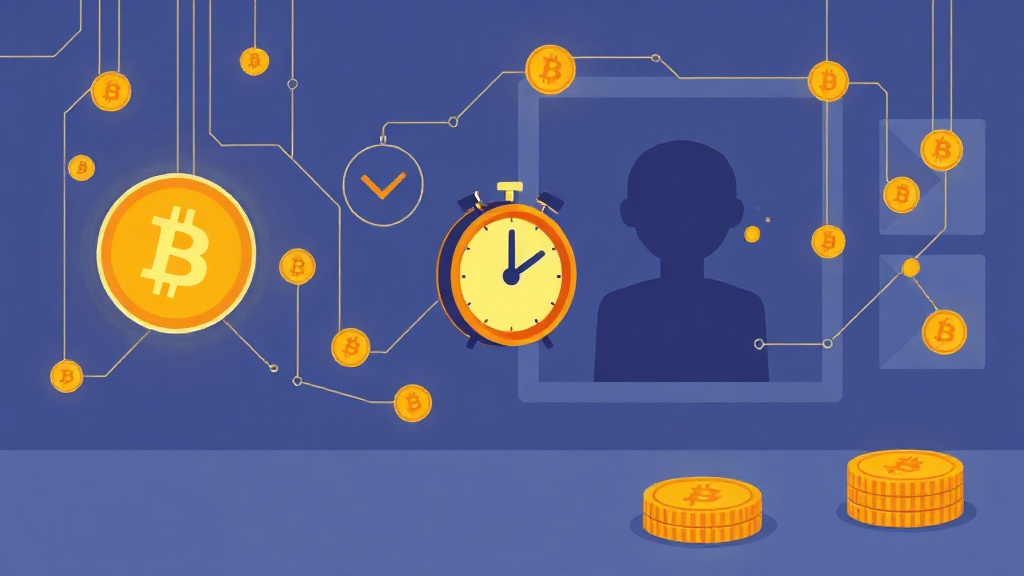
A time-locked smart contract is a blockchain-based agreement that restricts the execution of certain actions until a predefined time or block height is reached. Unlike traditional smart contracts that execute immediately upon meeting conditions, time-locked versions introduce a delay—ensuring that transactions, fund releases, or code execution only occur after a set period. This feature is especially valuable in decentralized finance (DeFi), privacy-focused protocols, and secure asset management.
For privacy-conscious crypto users, time locks add an extra layer of control. They prevent premature access to funds, reduce front-running risks, and allow users to schedule transactions in advance—all while maintaining transparency on the blockchain. Whether you're locking tokens for staking, delaying a withdrawal, or enforcing vesting schedules, time-locked contracts offer both security and strategic flexibility.
How Time-Locked Contracts Work on Blockchain
Time-locked smart contracts operate using cryptographic timers embedded in the code. These timers are triggered by either:
- Block Height: A specific number of blocks must be mined before the contract executes.
- Timestamp: A precise date and time must be reached (e.g., Unix timestamp).
- Relative Time: A delay measured in seconds or blocks after contract deployment.
For example, a user could deploy a contract that releases 10 ETH to a recipient only after 1,000 blocks have passed—roughly 4 hours on Ethereum. During this period, the funds remain inaccessible, even if the contract’s conditions are met earlier. This mechanism is enforced by the underlying blockchain consensus, making it tamper-proof and verifiable by all participants.
Popular blockchain platforms like Ethereum, Bitcoin (via scripts), and Polkadot support time-locked functionality through native features or third-party tools. In DeFi, protocols like Uniswap’s Time-Weighted Average Market Maker (TWAMM) use time locks to execute large trades over extended periods, minimizing price impact and improving privacy.
Use Cases for Time-Locked Contracts in Crypto Privacy
Time-locked contracts are not just about delaying transactions—they’re powerful tools for enhancing privacy and financial autonomy. Here are key applications:
- Vesting Schedules: Startups and DAOs can lock team tokens or investor funds, releasing them gradually to prevent dumping and improve trust.
- Delayed Withdrawals: Users can schedule withdrawals from privacy pools or mixers (like Tornado Cash) to obscure transaction timing and reduce traceability.
- Staking & Yield Farming: Lock tokens in yield-bearing contracts with time delays to deter early exits and stabilize rewards.
- Escrow Services: Secure peer-to-peer transactions by ensuring funds are only released after both parties meet agreed conditions and time criteria.
- Privacy Enhancement: Combine time locks with zero-knowledge proofs (ZKPs) to delay the reveal of transaction details, making it harder for analysts to link inputs and outputs.
For privacy advocates, time locks help break the link between transaction initiation and completion. By introducing random or staggered delays, users can obfuscate their activity patterns, making it more difficult for blockchain surveillance firms to track spending habits or investment strategies.
Setting Up a Time-Locked Contract: A Step-by-Step Guide
Creating a time-locked smart contract doesn’t require advanced coding skills, thanks to user-friendly platforms and templates. Here’s how to do it securely:
Step 1: Choose Your Platform
Decide where to deploy your contract:
- Ethereum: Use tools like OpenZeppelin or Solidity templates to build a custom time-lock contract.
- Bitcoin: Use CheckLockTimeVerify (CLTV) or CheckSequenceVerify (CSV) in scripts for time-based spending conditions.
- Cosmos / Polkadot: Leverage native modules or SDKs that support scheduled execution.
- No-Code Tools: Platforms like Tenderly, Remix IDE, or DappRadar offer pre-built time-lock contracts you can customize.
Step 2: Define Parameters
Set the essential variables in your contract:
- Target Time: Block number, timestamp, or relative delay.
- Action: What happens when the time is reached (e.g., transfer, function call).
- Recipient: Address or contract that receives the locked assets.
- Cancellation Clause: Optional admin key or multi-sig to revoke the lock (use cautiously).
Step 3: Deploy & Fund
Deploy the contract to the blockchain using a wallet like MetaMask or Ledger. Fund it with the intended assets (e.g., ETH, tokens). Ensure you have enough gas for deployment and future execution.
Step 4: Monitor & Execute
Use blockchain explorers (e.g., Etherscan) to track the contract’s status. Once the time lock expires, the contract becomes executable. You or the designated recipient can trigger the release manually or automatically, depending on the contract logic.
Pro Tip:
Always test your contract on a testnet (e.g., Goerli for Ethereum) before deploying to mainnet. Use tools like Hardhat or Truffle to simulate time locks and verify behavior.
Best Practices for Using Time-Locked Contracts Securely
While time-locked contracts enhance privacy and control, they also introduce new risks if misused. Follow these best practices to stay safe:
- Use Multi-Signature Wallets: Require multiple approvals to deploy or modify time-locked contracts, reducing single points of failure.
- Avoid Centralized Admin Keys: Unless absolutely necessary, avoid contracts with admin controls that can override time locks—this defeats the purpose of decentralization.
- Set Realistic Time Delays: Too short a delay offers little privacy benefit; too long may reduce liquidity. Balance security with usability (e.g., 24–72 hours for most use cases).
- Monitor Gas Costs: Time-locked contracts may incur gas fees upon execution. Estimate costs in advance to avoid unexpected expenses.
- Combine with Privacy Tools: Pair time locks with mixers (e.g., Tornado Cash), stealth addresses, or ZK-rollups to maximize anonymity.
- Document Everything: Keep records of contract addresses, parameters, and execution timelines for transparency and auditing.
Remember: A time-locked contract is only as secure as the code behind it. Always audit your contract or use audited, open-source templates from reputable sources like OpenZeppelin.
Future of Time-Locked Contracts: Privacy Meets Automation
As blockchain adoption grows, time-locked contracts are evolving from niche tools to mainstream infrastructure. Emerging trends include:
- Automated Vesting Platforms: Services like CoinList or Polkastarter now integrate time locks for token sales and staking.
- Decentralized Identity (DID) with Time Bounds: Users can lock identity credentials or reputation scores, releasing them only after verification milestones.
- Cross-Chain Time Locks: Protocols like THORChain or LayerZero are exploring time-based execution across multiple blockchains.
- AI-Powered Scheduling: Smart contracts may soon use AI to dynamically adjust time locks based on market conditions or user behavior patterns.
For privacy-focused users, the integration of time locks with zero-knowledge proofs and layer-2 scaling solutions could redefine on-chain confidentiality. Imagine a world where your transactions are not only delayed but also completely unlinkable—time locks are a crucial step toward that vision.
Conclusion: Take Control of Your Crypto Timeline
Time-locked smart contracts are more than just a technical feature—they’re a declaration of autonomy in a world where financial surveillance is becoming the norm. By delaying access to funds, scheduling transactions, and integrating with privacy tools, you regain control over when and how your assets move.
Whether you're a long-term investor, a privacy advocate, or a DeFi participant, time locks offer a simple yet powerful way to enhance security and obfuscate activity. Start small: lock a portion of your portfolio, test a vesting schedule, or experiment with a delayed withdrawal. As you become more comfortable, you can integrate time locks into more complex strategies—always with an eye on transparency, security, and your own financial goals.
In the fast-evolving crypto landscape, tools that give users time—and privacy—are not just valuable; they’re essential. Your assets, your timeline, your rules.
Related articles

Understanding the Sphinx Packet Format for Enhanced Privacy in Cryptocurrency Transactions

Lightning Network Onion Routing: How It Secures Bitcoin Transactions
Discreet Log Contracts: Enhancing Privacy in Crypto Transactions

Scriptless Script Protocol: Enhancing Bitcoin Privacy Without Scripts
Adaptor Signature Swaps: Enhancing Crypto Privacy with Advanced Techniques
Looking for a privacy tool?
Browse every mixer, exchanger and Telegram bot in one place.