Understanding IP Address Correlation: Risks and Solutions for Crypto Privacy
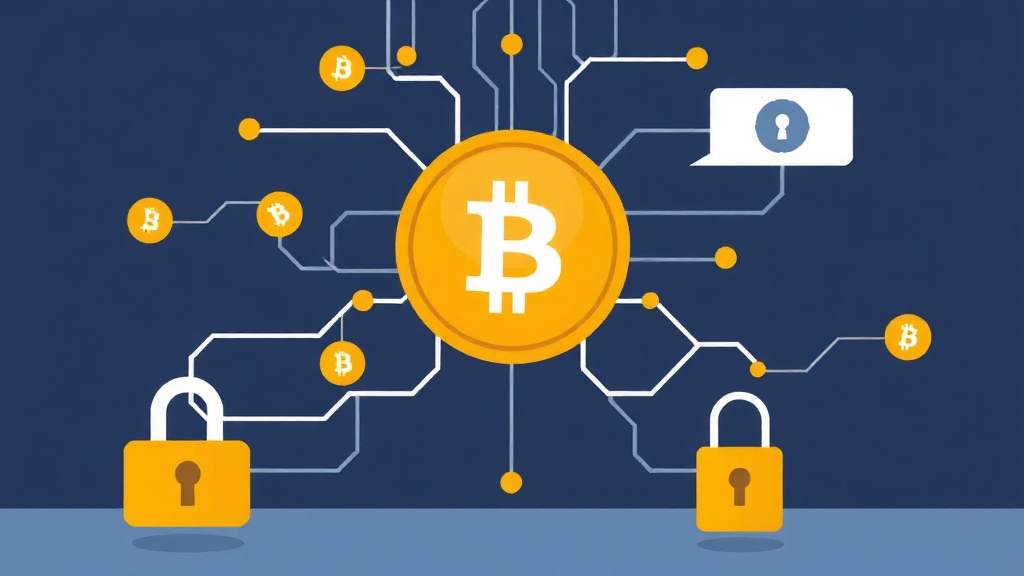
What Is IP Address Correlation and Why Does It Matter?
IP address correlation refers to the process of linking multiple online activities to a single IP address. Every time you connect to the internet, your device is assigned an IP address—like a digital fingerprint—that can reveal your approximate location, internet service provider (ISP), and even your identity if combined with other data. For cryptocurrency users, this is a major privacy concern.
When you interact with blockchain networks, use crypto exchanges, or visit crypto-related websites, your IP address can be logged. If someone correlates this IP with your wallet addresses or transaction history, they may be able to deanonymize you. This undermines one of the core principles of cryptocurrency: financial privacy.
Understanding how IP correlation works is the first step toward protecting your identity and assets in the digital age.
How IP Correlation Poses Risks to Cryptocurrency Users
Cryptocurrency transactions are designed to be pseudonymous, but they are not fully anonymous. Your IP address acts as a bridge between your real-world identity and your digital activities. Here’s how IP correlation can expose you:
- Wallet Linking: If you access your crypto wallet from the same IP address multiple times, an observer can link that IP to your wallet address.
- Exchange Activity: Most centralized exchanges require KYC (Know Your Customer) verification, which ties your identity to your IP address. If you log in from the same IP regularly, it becomes easier to track your trading patterns.
- Transaction Timing: By correlating the time of a transaction with your IP activity logs, adversaries can infer ownership of wallet addresses.
- Network Sniffing: In public networks or unsecured connections, attackers can intercept your IP and associate it with blockchain activity.
These risks highlight why privacy-conscious crypto users must take steps to mask or diversify their IP addresses.
Common Methods Used to Correlate IP Addresses
Attackers and surveillance systems use several techniques to correlate IP addresses with user identities. Being aware of these methods helps you stay ahead:
- Log Analysis: Websites, exchanges, and wallets often store IP logs. If compromised or subpoenaed, these logs can reveal your activity.
- Browser Fingerprinting: Even with a VPN, your browser settings, screen resolution, and plugins can uniquely identify you across sessions.
- Timing Attacks: By analyzing the timing of transactions and IP requests, patterns can emerge that link users to specific blockchain actions.
- DNS Leaks: If your VPN or privacy tool leaks DNS requests, your real IP can be exposed despite using a masked address.
- Tor Exit Node Monitoring: While Tor provides anonymity, malicious exit nodes can log traffic and correlate IPs with requests.
Understanding these tactics empowers users to choose better privacy tools and adopt safer habits.
Best Practices to Prevent IP Address Correlation in Crypto
Protecting your privacy requires a combination of tools and behaviors. Here are actionable steps to minimize IP correlation risks:
- Use a Reliable VPN: Choose a no-logs VPN with strong encryption (e.g., WireGuard or OpenVPN). Avoid free VPNs—they often log and sell user data.
- Enable Tor Browser: For sensitive transactions, use the Tor network to route traffic through multiple relays, obscuring your origin.
- Rotate IP Addresses: Avoid using the same IP repeatedly. Use mobile data, public Wi-Fi (with caution), or VPN server switching.
- Disable WebRTC and IPv6: These can leak your real IP even behind a VPN. Disable them in browser settings or use privacy-focused browsers like Brave.
- Avoid Personal Identifiers: Don’t log into crypto services from the same browser or device used for personal browsing.
- Use CoinJoin or Mixers: Services like Wasabi Wallet or Samourai Wallet mix transactions to break the link between sender and receiver.
- Monitor for Leaks: Regularly test your setup using tools like ipleak.net or browserleaks.com/webrtc.
Advanced Tools and Techniques for Maximum Privacy
For users who prioritize anonymity—such as privacy-focused traders or activists—advanced tools can provide stronger protection:
- Dandelion++ Protocol: Used in some privacy coins like Monero, it obscures transaction origins by routing them through a network of nodes before broadcasting.
- Whonix or Qubes OS: These operating systems run in virtual machines and route all traffic through Tor, isolating your identity from your host system.
- Hardware Wallets with Air-Gapped Features: Devices like Coldcard or Ledger allow transaction signing offline, reducing exposure to online tracking.
- Decentralized VPNs (dVPNs): Networks like Orchid or Sentinel allow users to route traffic through other users’ devices, increasing anonymity without a central server.
- Stealth Addresses and Confidential Transactions: In privacy coins like Monero, these features hide sender, receiver, and amount, making correlation nearly impossible.
Combining these tools with good operational security (OpSec) practices creates a robust privacy shield.
Conclusion: Take Control of Your Digital Privacy
IP address correlation is a real and growing threat to cryptocurrency users. While blockchain offers decentralization, your online footprint can still reveal your identity if not managed carefully. By understanding how IP correlation works and implementing layered privacy measures—such as VPNs, Tor, CoinJoin, and secure browsing—you can significantly reduce your exposure.
Remember: privacy is not about hiding illegal activity—it’s about protecting your financial sovereignty and personal freedom. In a world where surveillance is increasingly normalized, taking control of your digital identity is not optional; it’s essential.
Start small: use a VPN, avoid reusing IPs, and test for leaks. Then, gradually adopt more advanced tools as your needs grow. Your financial privacy is worth the effort.
Related articles


Understanding Mixer Session Expiry in Cryptocurrency Privacy

How to Achieve a Cookie-Free Crypto Mixing Session for Maximum Privacy

Secure Your Crypto: The Ultimate Guide to NoScript-Compatible Tumblers

Mix Your Crypto Without JavaScript: A Privacy-Friendly Guide

Metadata Minimization Mixer: Enhance Crypto Privacy Today
Looking for a privacy tool?
Browse every mixer, exchanger and Telegram bot in one place.