Unlocking Financial Freedom: Secure and Private Transactions in the Digital Age
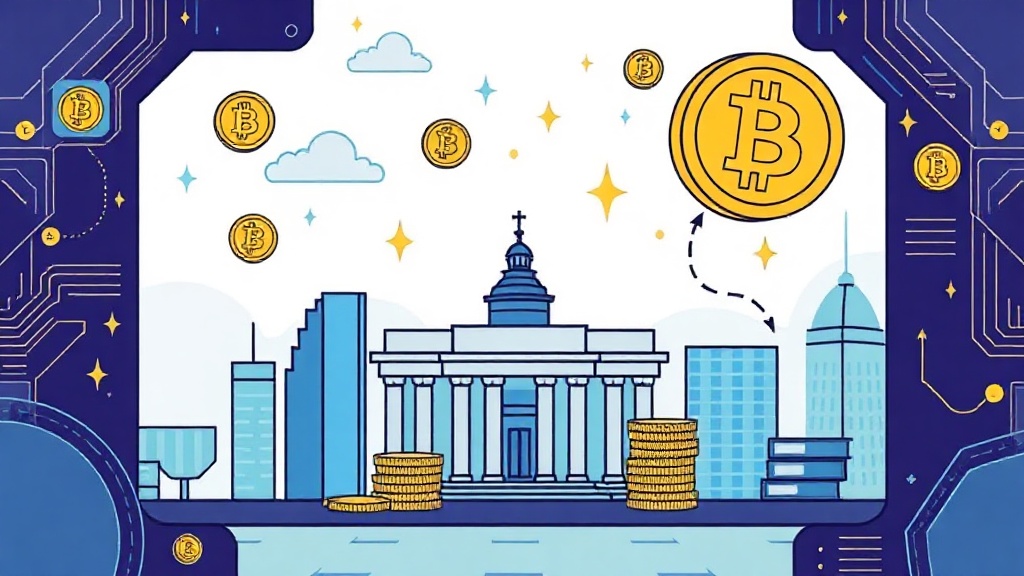
Understanding Financial Freedom in the Digital Era
Financial freedom isn’t just about having enough money—it’s about having control over how you use it. In today’s digital world, financial transaction freedom means the ability to send, receive, and manage funds without unnecessary restrictions, intermediaries, or surveillance. Whether you're an entrepreneur, freelancer, or everyday consumer, the ability to transact freely is a cornerstone of economic autonomy.
Traditional banking systems often impose limits, fees, and monitoring, which can hinder your financial independence. Cryptocurrencies and decentralized finance (DeFi) tools have emerged as powerful alternatives, offering secure, private, and censorship-resistant transactions. But what does this freedom really look like, and how can you achieve it?
Why Financial Transaction Freedom Matters
Financial freedom goes beyond convenience—it’s about privacy, security, and sovereignty. Here’s why it’s so important:
- Privacy: Traditional banks and payment processors track your transactions, often sharing data with third parties. Financial freedom means keeping your financial activity private.
- Censorship Resistance: Governments or financial institutions can freeze accounts or block transactions. Decentralized systems prevent this by removing single points of control.
- Lower Costs: High fees from banks and payment gateways eat into your earnings. Cryptocurrencies and peer-to-peer transactions often reduce these costs significantly.
- Global Access: Traditional banking excludes billions of unbanked individuals. Digital currencies provide access to financial services for anyone with an internet connection.
For cryptocurrency enthusiasts, financial freedom also means self-custody—owning your assets without relying on banks or custodial services. This shift empowers individuals but also comes with responsibility: securing your funds and understanding the tools available.
Tools and Technologies for Secure Transactions
Achieving financial transaction freedom requires the right tools. Here are the most effective solutions for secure and private transactions:
Cryptocurrencies
Not all cryptocurrencies offer the same level of privacy. Monero (XMR) and Zcash (ZEC) are leading privacy coins designed to obscure transaction details. Bitcoin (BTC) and Ethereum (ETH) are more transparent but can be used with privacy-enhancing techniques like CoinJoin or mixers.
Decentralized Exchanges (DEXs)
Centralized exchanges (CEXs) like Coinbase or Binance require identity verification (KYC), compromising your privacy. DEXs, such as Uniswap or PancakeSwap, allow peer-to-peer trading without KYC, preserving your anonymity.
Privacy Wallets
Wallets like Wasabi Wallet (for Bitcoin) or Edge Wallet (for multiple coins) offer built-in privacy features, such as coin mixing and Tor network support. Always choose non-custodial wallets to maintain control over your private keys.
Mixers and Tumblers
Services like Wasabi Wallet’s CoinJoin or Samourai Wallet’s Stonewall help break the link between your transactions and identity by mixing your coins with others. This adds a layer of obfuscation to your financial activity.
Practical Steps to Achieve Financial Transaction Freedom
Ready to take control of your financial transactions? Follow these actionable steps to maximize privacy and security:
- Use Privacy-Focused Cryptocurrencies: Prioritize coins like Monero or Zcash for transactions where anonymity is critical. For Bitcoin, use privacy wallets and mixers.
- Trade on Decentralized Exchanges: Avoid KYC requirements by using DEXs. This keeps your trading activity private and reduces exposure to hacks or regulatory risks.
- Secure Your Wallet: Use hardware wallets (e.g., Ledger or Trezor) for long-term storage. Enable multi-signature and backup your seed phrase securely.
- Leverage the Tor Network: Access your wallets and exchanges via the Tor browser to mask your IP address and location.
- Practice Operational Security (OpSec): Avoid discussing your crypto holdings or transactions publicly. Use burner emails and phone numbers for crypto-related accounts.
- Stay Updated on Regulations: Privacy laws vary by country. Stay informed to avoid unintentional compliance violations while maintaining your financial freedom.
Remember, financial freedom isn’t just about the tools you use—it’s about how you use them. Always research and test new methods in small amounts before committing larger sums.
Common Misconceptions and Risks
While financial transaction freedom offers many benefits, it’s not without challenges. Here are some common misconceptions and risks to be aware of:
Myth: Cryptocurrency Transactions Are Fully Anonymous
While privacy coins and mixers enhance anonymity, no transaction is 100% untraceable. Advanced blockchain analysis tools can sometimes uncover patterns or link transactions to identities. Always combine multiple privacy techniques for better protection.
Risk: Scams and Fraud
The decentralized nature of crypto means there’s no customer support to reverse fraudulent transactions. Be wary of phishing sites, fake wallets, and Ponzi schemes. Stick to reputable platforms and verify URLs before entering sensitive information.
Challenge: Regulatory Scrutiny
Governments are increasingly regulating privacy-enhancing technologies. Some mixers and privacy coins have faced restrictions or delisting from exchanges. Stay updated on local laws to ensure compliance while protecting your financial freedom.
Pitfall: Poor OpSec
Even the most secure tools won’t protect you if you slip up on operational security. Avoid reusing addresses, sharing wallet details, or storing private keys digitally (e.g., in cloud storage or emails).
By understanding these risks, you can navigate the world of financial transaction freedom more safely and effectively.
Conclusion: Your Path to True Financial Independence
Financial transaction freedom is more than a buzzword—it’s a fundamental right in the digital age. By leveraging privacy-focused cryptocurrencies, decentralized tools, and strong security practices, you can take control of your financial life without sacrificing privacy or autonomy.
Start small: experiment with privacy wallets, try a DEX, or test a privacy coin. Over time, you’ll build confidence in your ability to transact freely and securely. Remember, the key to financial freedom lies in education, vigilance, and adaptability.
Are you ready to unlock your financial independence? The tools are here—now it’s your turn to use them wisely.
Related articles


Understanding Mixer Session Expiry in Cryptocurrency Privacy

How to Achieve a Cookie-Free Crypto Mixing Session for Maximum Privacy

Secure Your Crypto: The Ultimate Guide to NoScript-Compatible Tumblers

Mix Your Crypto Without JavaScript: A Privacy-Friendly Guide

Metadata Minimization Mixer: Enhance Crypto Privacy Today
Looking for a privacy tool?
Browse every mixer, exchanger and Telegram bot in one place.