Use Non-Custodial Swaps to Avoid KYC: A Privacy-Focused Crypto Guide
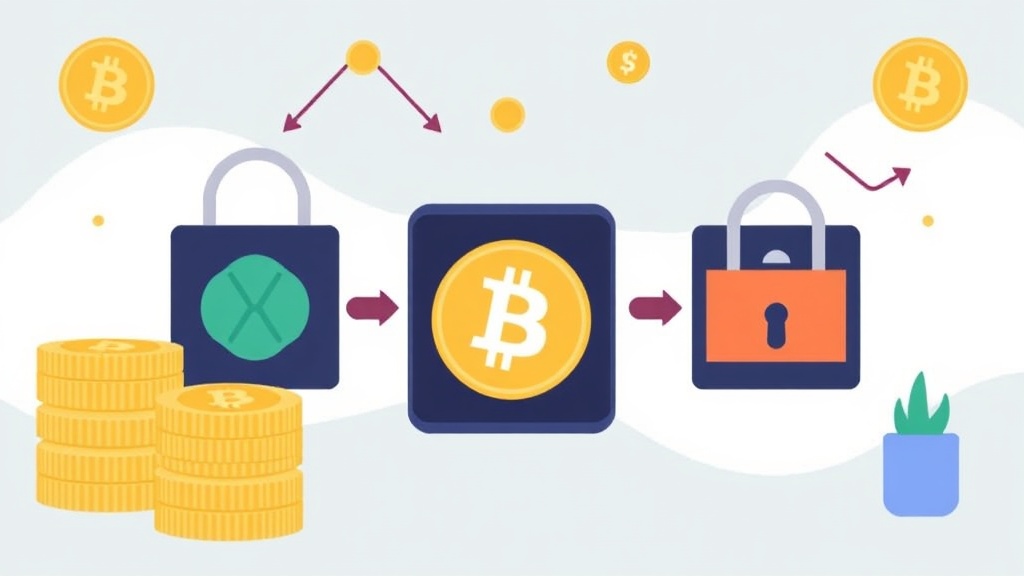
Introduction to Non-Custodial Swaps and Privacy
In the world of cryptocurrency, privacy is a top priority for many users. Traditional exchanges often require Know Your Customer (KYC) procedures, which can compromise anonymity. Non-custodial swaps offer a solution by allowing users to exchange cryptocurrencies directly from their wallets without relying on third-party platforms. This method not only enhances privacy but also gives users full control over their assets. Understanding how non-custodial swaps work is essential for anyone looking to maintain their financial privacy in the digital age.
How Non-Custodial Swaps Work
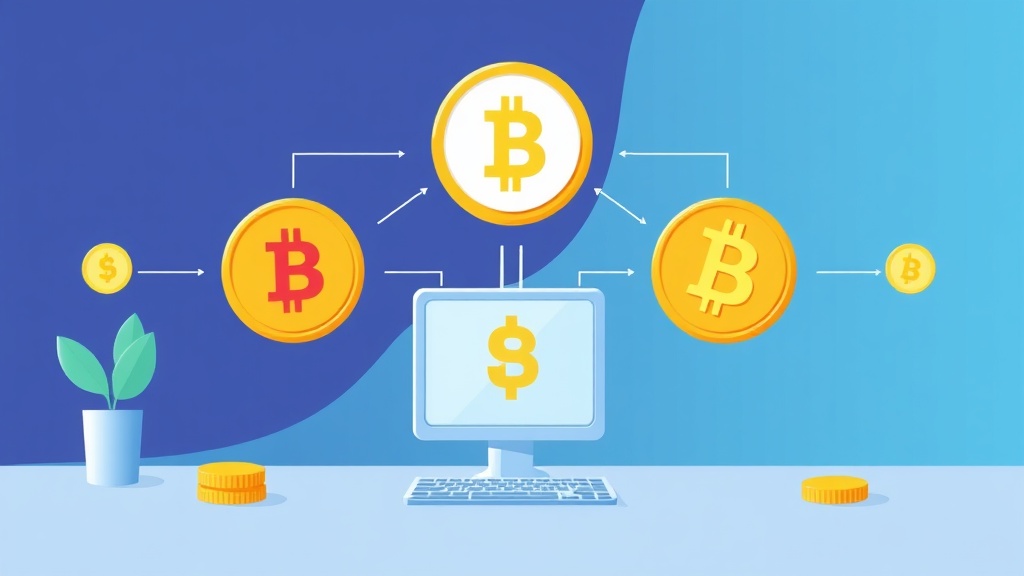
Non-custodial swaps operate through decentralized protocols that enable peer-to-peer transactions. Unlike centralized exchanges, these swaps do not require users to create accounts or submit personal information. Instead, users connect their wallets to a decentralized application (dApp) and initiate a swap directly from their private keys. Smart contracts facilitate the exchange, ensuring that funds are transferred securely without intermediaries. This process significantly reduces the risk of data exposure and eliminates the need for KYC checks, making it an attractive option for privacy-conscious users.
Benefits of Using Non-Custodial Swaps
One of the primary advantages of non-custodial swaps is the elimination of KYC requirements. By avoiding centralized exchanges, users can trade cryptocurrencies without revealing their identities. Additionally, non-custodial swaps offer greater security, as users retain control of their private keys at all times. This reduces the risk of hacks or data breaches that are common on centralized platforms. Furthermore, these swaps often support a wide range of cryptocurrencies, allowing users to diversify their portfolios without restrictions. The combination of privacy, security, and flexibility makes non-custodial swaps a powerful tool for maintaining financial autonomy.
Practical Tips for Using Non-Custodial Swaps
- Choose a reputable decentralized exchange (DEX): Opt for well-established platforms with strong security measures and a track record of reliability.
- Use a secure wallet: Ensure your wallet supports non-custodial swaps and has robust security features, such as two-factor authentication and backup options.
- Verify the legitimacy of the swap: Double-check the smart contract address and ensure the swap is supported by a trusted community or developer.
- Keep your private keys safe: Never share your private keys and consider using hardware wallets for added security.
- Stay updated on regulatory changes: While non-custodial swaps offer privacy, it's important to be aware of evolving regulations that may impact your usage.
Conclusion: Embracing Privacy in the Crypto Space
Non-custodial swaps provide a practical and effective way to avoid KYC requirements while maintaining control over your digital assets. As the demand for privacy-focused solutions continues to grow, these swaps are becoming an essential part of the cryptocurrency ecosystem. By following best practices and staying informed, users can enjoy the benefits of decentralized trading without compromising their anonymity. Whether you're a seasoned crypto enthusiast or new to the space, exploring non-custodial swaps can be a valuable step toward financial independence and privacy protection.
Related articles


Looking for a privacy tool?
Browse every mixer, exchanger and Telegram bot in one place.