Wallet Fingerprinting: How to Protect Your Crypto Privacy
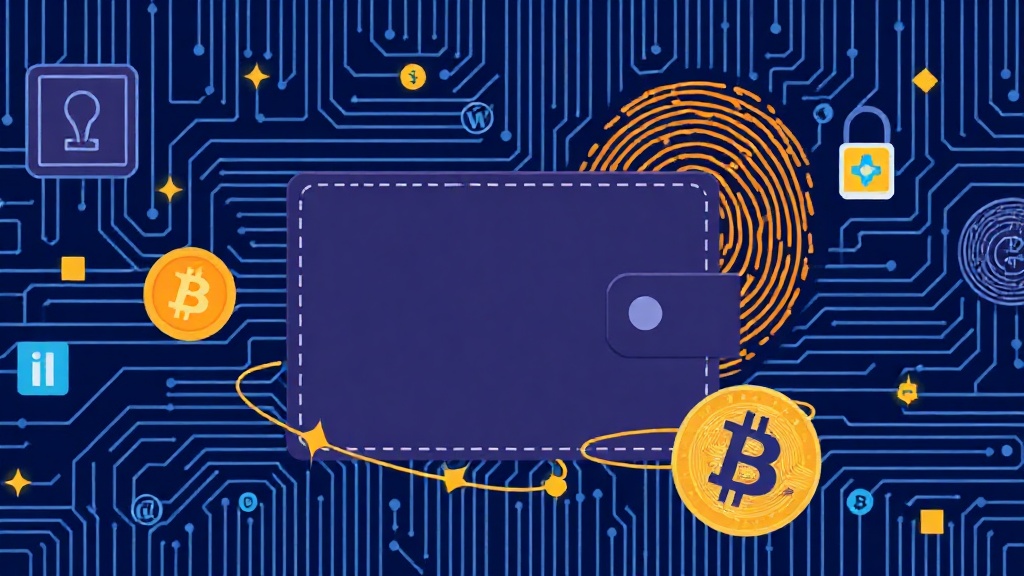
What Is Wallet Fingerprinting and Why Does It Matter?
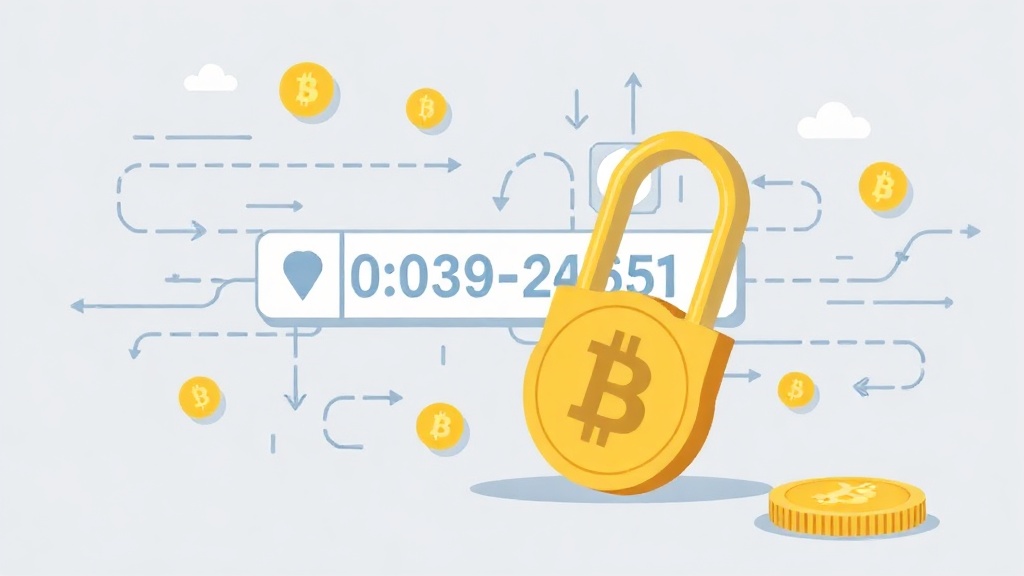
Wallet fingerprinting is a privacy threat where websites or trackers collect unique data about your cryptocurrency wallet to identify and monitor your transactions. Unlike traditional online tracking, which relies on cookies, wallet fingerprinting uses blockchain data and browser signals to create a digital profile of your wallet activity.
This technique is particularly dangerous for crypto users because blockchain transactions are public by default. When combined with fingerprinting, even anonymous wallets can be linked to real-world identities, exposing users to risks like targeted scams, surveillance, or loss of funds.
Why should you care? If someone can link your wallet to your browsing habits or personal data, your financial privacy—and even security—could be at risk. Understanding how wallet fingerprinting works is the first step toward protecting yourself.
How Wallet Fingerprinting Works: The Technical Breakdown
Wallet fingerprinting relies on a combination of techniques to track users across the web:
- Blockchain Data Exposure: Every transaction you make is recorded on a public ledger. Websites can analyze your transaction history, wallet balances, and even the tokens you hold to create a unique profile.
- Browser Fingerprinting: Websites collect details about your browser, device, and operating system to create a digital fingerprint. Even if you use a VPN or Tor, this fingerprint can still identify you.
- Wallet Connection Requests: Some dApps and websites ask for wallet connections to interact with blockchain features. These requests can expose your wallet address and transaction history to third parties.
- Metadata Analysis: Services like Etherscan or blockchain explorers can track IP addresses associated with wallet transactions, linking your real-world identity to your crypto activity.
Together, these methods allow trackers to build a detailed picture of your crypto behavior—even if you believe your wallet is anonymous.
Real-World Risks of Wallet Fingerprinting
Wallet fingerprinting isn’t just a theoretical threat; it has real-world consequences for crypto users:
- Targeted Scams and Phishing: If your wallet is linked to your browsing habits, scammers can craft personalized phishing attacks based on your transaction history or the tokens you hold.
- Loss of Anonymity: Privacy-focused users who rely on mixers or privacy coins may find their efforts undermined if their wallet is fingerprinted and linked to their identity.
- Regulatory and Legal Risks: In some jurisdictions, authorities can use wallet fingerprinting to trace transactions back to individuals, potentially exposing them to legal scrutiny.
- DeFi and Smart Contract Risks: If your wallet interacts with decentralized finance (DeFi) platforms, fingerprinting could reveal your investment strategies, making you a target for front-running or exploit attempts.
For example, if a tracker identifies that you frequently use a specific DeFi protocol, they might manipulate transaction fees or exploit vulnerabilities in that protocol to target you specifically.
How to Protect Your Wallet from Fingerprinting
While wallet fingerprinting is a serious threat, there are steps you can take to minimize your exposure:
- Use Privacy-Focused Wallets: Opt for wallets that prioritize privacy, such as Wasabi Wallet, Samourai Wallet, or even hardware wallets like Ledger or Trezor. These wallets offer features like coin mixing and stealth addresses to obscure your transaction history.
- Enable Coin Mixing: Services like CoinJoin (used in Wasabi and Samourai wallets) mix your transactions with others, making it harder to trace your funds back to you. This is one of the most effective ways to break the link between your wallet and your identity.
- Use a VPN or Tor: A Virtual Private Network (VPN) or the Tor browser can mask your IP address, making it harder for trackers to link your wallet activity to your real-world location. However, be aware that Tor may not work with all blockchain interactions.
- Avoid Connecting Wallets to Untrusted Sites: Only connect your wallet to reputable, trusted decentralized applications (dApps). Disconnect your wallet immediately after use to minimize exposure.
- Use Multiple Wallets: Split your crypto holdings across multiple wallets to compartmentalize your activity. For example, keep a separate wallet for DeFi interactions and another for everyday transactions.
- Monitor Your Transaction History: Regularly review your wallet’s transaction history for any suspicious activity. Tools like Etherscan or Blockchain.com can help you analyze your transactions and identify potential leaks.
- Disable Browser Fingerprinting: Use browser extensions like Privacy Badger, uBlock Origin, or Brave Browser to block trackers and reduce your digital fingerprint. These tools can prevent websites from collecting unnecessary data about your device.
Advanced Tactics for Maximum Privacy
For users who need the highest level of privacy, consider these advanced strategies:
- Use a Decentralized Exchange (DEX) for Swaps: Instead of using centralized exchanges, which often require KYC, use DEXs like Uniswap or PancakeSwap. These platforms allow you to swap tokens without revealing your identity.
- Leverage Privacy Coins: Coins like Monero (XMR) or Zcash (ZEC) are designed to obscure transaction details, making it nearly impossible to trace them. If privacy is your top priority, consider using these coins in combination with privacy wallets.
- Run a Full Node: By running your own Bitcoin or Ethereum node, you can verify transactions without relying on third-party explorers, which may track your activity. This also helps support the decentralization of the network.
- Use Stealth Addresses: Some wallets, like those in the Monero ecosystem, use stealth addresses to generate a unique, one-time address for each transaction. This prevents anyone from linking transactions to your wallet address.
- Practice Operational Security (OpSec): Be mindful of how you share information online. Avoid discussing your wallet addresses or crypto holdings on social media, and use separate email addresses for crypto-related accounts.
Final Thoughts: Staying Ahead of Wallet Fingerprinting
Wallet fingerprinting is a growing threat in the crypto space, but it’s not insurmountable. By understanding how it works and taking proactive steps to protect your privacy, you can reduce the risk of being tracked or targeted. Start with the basics—use privacy wallets, enable coin mixing, and avoid connecting your wallet to untrusted sites. Then, consider advanced tactics like using privacy coins or running a full node for even greater anonymity.
Remember, privacy is a continuous process, not a one-time setup. Stay informed about new threats and tools, and regularly review your security practices to ensure your crypto remains safe and anonymous. The more you do to obscure your digital footprint, the harder it will be for trackers to follow your every move.
Take control of your privacy today—your financial freedom depends on it.
Related articles
Detecting CoinJoin Transactions: Key Heuristics Explained
Mixer Detection Algorithm: How to Track Privacy Coins and Stay Anonymous

Taint Analysis and Propagation in Cryptocurrency Privacy
How to Detect Address Changes for Enhanced Crypto Privacy
Understanding the Common Input Ownership Heuristic in Crypto Privacy
Looking for a privacy tool?
Browse every mixer, exchanger and Telegram bot in one place.