Bridge Assets Without a Centralized Exchange: A Privacy-Focused Guide

Understanding Decentralized Asset Bridging
Decentralized asset bridging allows users to transfer cryptocurrencies between blockchains without relying on centralized exchanges. This method enhances privacy by eliminating the need to share personal information with third parties. By using smart contracts and peer-to-peer protocols, users maintain control over their assets throughout the process.
How Decentralized Bridges Work
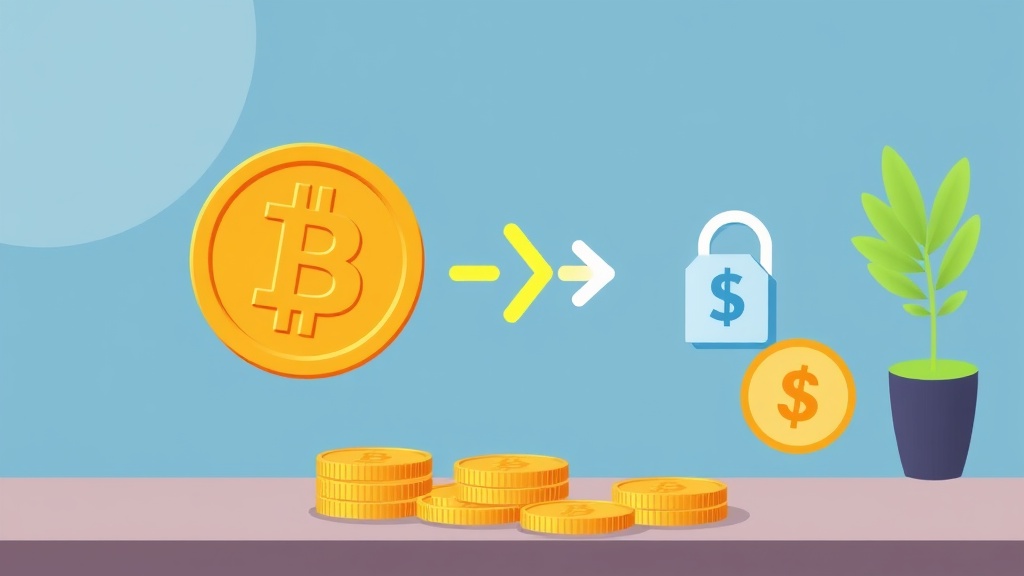
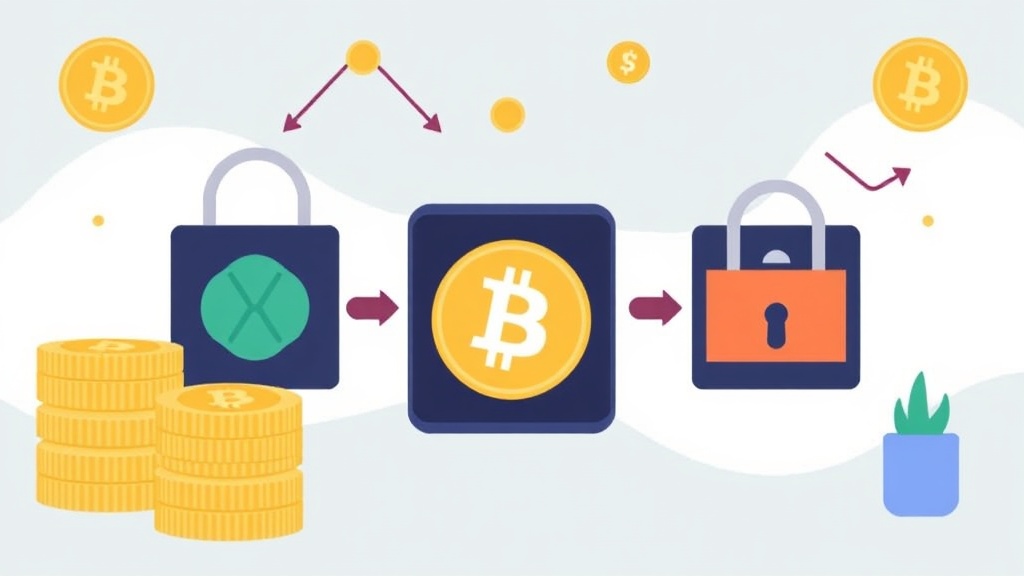
Decentralized bridges operate through automated protocols that lock assets on one blockchain and mint equivalent tokens on another. For example, a user might lock ETH on Ethereum and receive wETH on a different chain. This process is trustless, meaning no single entity oversees the transaction, reducing exposure to hacks or surveillance.
Privacy Benefits of Decentralized Bridging
Using decentralized bridges minimizes the risk of data breaches and identity theft. Since transactions occur directly between users or through automated systems, there’s no centralized database storing sensitive information. This aligns with the core principles of cryptocurrency privacy, where anonymity and data security are paramount.
Popular Decentralized Bridging Protocols
Several protocols enable secure, private asset transfers. Examples include:
- Chainlink CCIP: Facilitates cross-chain communication with minimal trust requirements.
- Wormhole: Uses a decentralized network of validators to secure asset transfers.
- LayerZero: Leverages a decentralized oracle network for interoperability.
Practical Tips for Secure Bridging
- Research the Protocol: Verify the bridge’s security audits and track record before use.
- Use Hardware Wallets: Store assets offline to reduce exposure to online threats.
- Double-Check Addresses: Ensure the destination address is correct to avoid irreversible losses.
- Monitor Transactions: Use blockchain explorers to track transfers in real time.
Conclusion
Decentralized asset bridging offers a secure, private alternative to centralized exchanges. By understanding how these protocols work and following best practices, users can protect their privacy while navigating the evolving crypto landscape. As the industry grows, prioritizing decentralized solutions will remain key to safeguarding digital assets.
Related articles
Use Non-Custodial Swaps to Avoid KYC: A Privacy-Focused Crypto Guide

Sell Crypto for Cash Locally: A Secure & Private Guide

Cash Out Through Peer-to-Peer Trades: A Secure Crypto Exit Strategy

Buy Gift Cards with Bitcoin Anonymously: A Privacy-Focused Guide

Pay for a VPN with Monero: A Privacy-First Guide
Looking for a privacy tool?
Browse every mixer, exchanger and Telegram bot in one place.