Crypto Security Checklist: Protect Your Digital Assets
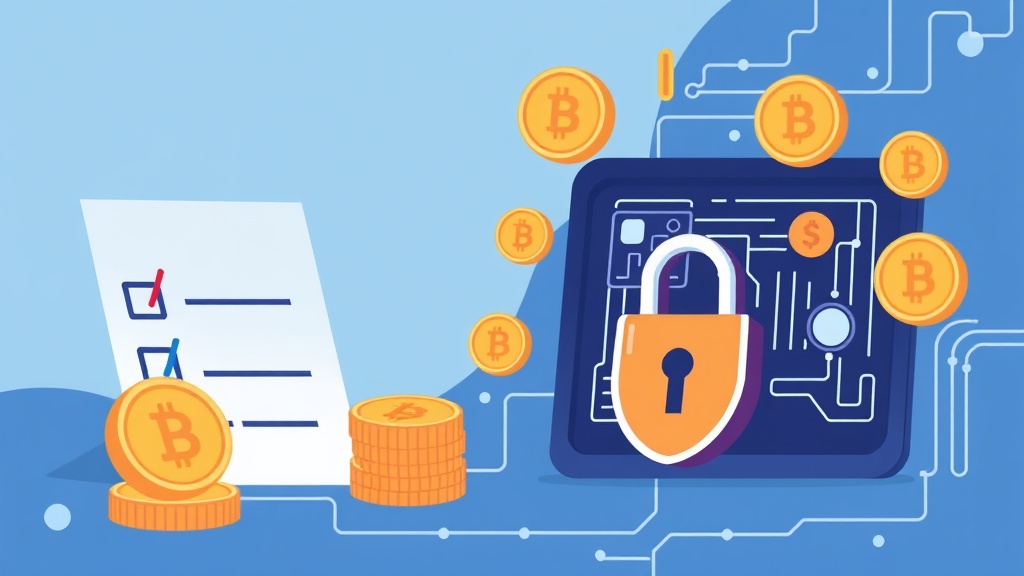
Why OPSEC Matters for Crypto Holders
Cryptocurrency ownership offers financial freedom but demands vigilance. Without proper operational security (OPSEC), even small mistakes can expose private keys, drain wallets, or compromise identities. This guide breaks down essential steps to safeguard your assets in a decentralized world.
Secure Your Private Keys and Recovery Phrases
Your private key is the ultimate gatekeeper. Store it offline in a hardware wallet or a secure, encrypted file. Never share recovery phrases via email, social media, or untrusted platforms. For added safety, split phrases using Shamir’s Secret Sharing and store portions in separate locations.
Choose Trustworthy Wallets and Exchanges
Not all wallets are created equal. Opt for non-custodial wallets like Ledger or Trezor for full control. If using exchanges, prioritize platforms with two-factor authentication (2FA), cold storage, and a proven security track record. Avoid leaving funds on exchanges long-term—transfer to personal wallets promptly.
Guard Against Phishing and Scams
Phishing attacks mimic legitimate services to steal credentials. Verify URLs before clicking links, and never download apps from third-party sources. Enable 2FA on all accounts, use unique passwords, and consider hardware-based authentication for critical transactions.
Practice Safe Network Habits
Public Wi-Fi networks are hacker hotspots. Use a VPN when accessing crypto accounts remotely, and avoid conducting transactions on unsecured networks. Regularly update software, enable firewall protections, and monitor blockchain activity for suspicious transactions.
Stay Informed and Proactive
The crypto landscape evolves rapidly. Follow trusted security blogs, join privacy-focused communities, and audit your practices quarterly. Remember: anonymity tools like CoinJoin or mixers can enhance transaction privacy, but use them responsibly within legal boundaries.
By implementing these steps, you’ll build a robust defense against theft and surveillance. Protecting your crypto isn’t just about technology—it’s about cultivating habits that prioritize discretion and resilience in an ever-changing digital frontier.
Related articles
How Monero Hides Sender and Receiver: A Privacy Powerhouse

Stealth Addresses: Your Everyday Privacy Shield in Crypto

Ring Signatures Explained: A Beginner's Guide to Crypto Privacy

Convert BTC to Monero and Back: A Step-by-Step Guide

Bridge Assets Without a Centralized Exchange: A Privacy-Focused Guide
Looking for a privacy tool?
Browse every mixer, exchanger and Telegram bot in one place.