Disable Analytics in Your Crypto Wallet: A Privacy Guide
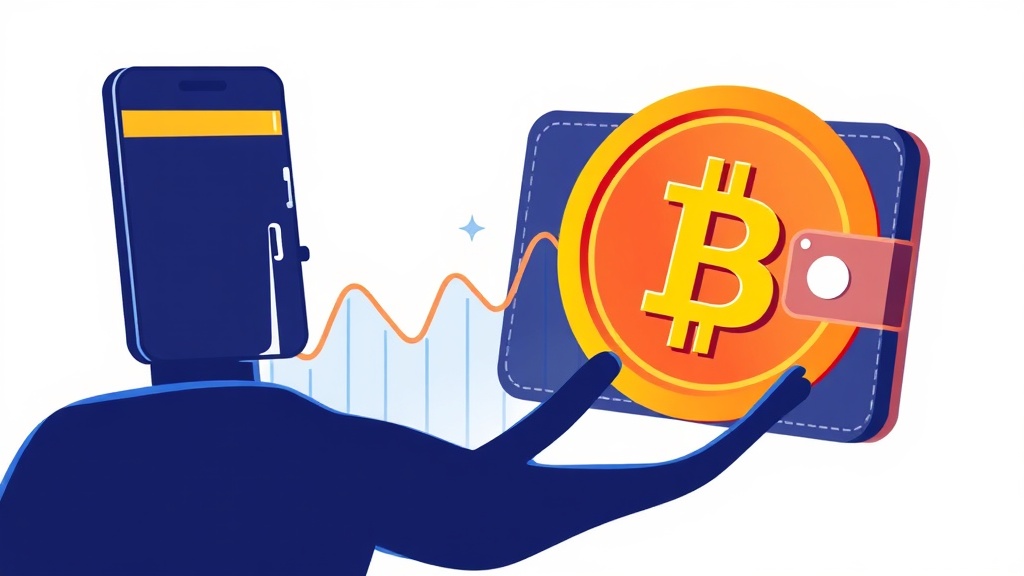
Why Disabling Wallet Analytics Matters for Your Privacy
When you use a cryptocurrency wallet app, you might not realize that it could be collecting data about your transactions, balance, and even your IP address. This analytics data is often used to improve the app or shared with third parties for marketing purposes. For privacy-conscious users, this is a major concern. Disabling analytics ensures that your financial activity remains private and untracked, reducing the risk of targeted ads, data breaches, or surveillance.
Many popular wallet apps, like MetaMask, Trust Wallet, and Exodus, include analytics features by default. While these features might help developers improve the app, they can also expose sensitive information. By turning them off, you take control of your financial privacy and minimize the digital footprint of your crypto transactions.
Step-by-Step Guide to Disabling Analytics in Popular Wallet Apps
Each wallet app has a different process for disabling analytics. Below are instructions for some of the most widely used wallets. Always check the app’s official documentation if you’re unsure, as settings may change with updates.
MetaMask
- Open the app and click on your profile icon in the top-right corner.
- Go to Settings > Security & Privacy.
- Scroll down to find the Analytics option and toggle it to Off.
- Restart the app to ensure the changes take effect.
Trust Wallet
- Open the app and tap the Settings icon (gear icon) in the bottom-right corner.
- Go to Preferences > Privacy.
- Look for the Send Anonymous Data option and disable it.
- Exit the app and reopen it to confirm the setting is applied.
Exodus Wallet
- Open the app and click on the Menu icon (three horizontal lines).
- Go to Settings > Privacy.
- Find the Allow Analytics toggle and switch it to Off.
- Restart the wallet to ensure the change is saved.
Ledger Live
- Connect your Ledger device and open the Ledger Live app.
- Click on your profile icon in the top-right corner and select Settings.
- Go to the Privacy tab and disable Share usage data.
- Save the changes and restart the app.
Additional Privacy Measures Beyond Disabling Analytics
Disabling analytics is a great first step, but it’s not the only way to protect your privacy when using a crypto wallet. Here are some extra precautions you can take:
- Use a VPN – A Virtual Private Network (VPN) masks your IP address, making it harder for third parties to track your location or online activity.
- Enable Two-Factor Authentication (2FA) – Even if analytics are disabled, securing your wallet with 2FA adds an extra layer of protection against unauthorized access.
- Use a Hardware Wallet – Hardware wallets like Ledger or Trezor store your private keys offline, making them less vulnerable to hacking or tracking.
- Avoid Public Wi-Fi for Transactions – Public networks can be insecure, exposing your data to potential hackers. Use a secure, private connection whenever possible.
- Regularly Update Your Wallet App – Developers frequently release updates to patch security vulnerabilities. Keeping your app updated ensures you have the latest protections.
Common Myths About Wallet Analytics and Privacy
There are several misconceptions about wallet analytics that might discourage users from disabling them. Let’s debunk a few:
- Myth: Disabling analytics will break my wallet.
Fact: Analytics are purely optional and do not affect the core functionality of your wallet. Disabling them won’t impact your ability to send, receive, or store cryptocurrency.
- Myth: Only suspicious users disable analytics.
Fact: Privacy is a legitimate concern for everyone, not just criminals. Many law-abiding users prefer to keep their financial activity private to avoid targeted advertising or data breaches.
- Myth: My wallet is already private because it’s decentralized.
Fact: Even decentralized wallets can collect data through analytics features. Decentralization refers to the control of funds, not necessarily the privacy of your usage data.
- Myth: Analytics data is anonymous.
Fact: While some data might seem anonymous, it can often be combined with other information to identify you. For example, transaction patterns or IP addresses can be linked back to you.
Final Thoughts: Take Control of Your Crypto Privacy
Disabling analytics in your wallet app is a simple yet powerful way to enhance your financial privacy. While it might seem like a small step, it significantly reduces the amount of data shared with developers and third parties. By following the steps outlined in this guide, you can ensure that your crypto transactions remain private and secure.
Remember, privacy isn’t about hiding something—it’s about owning your data. Whether you’re a seasoned crypto investor or just starting out, taking control of your wallet’s analytics settings is a smart move. Combine this with other privacy measures like using a VPN, enabling 2FA, and keeping your software updated, and you’ll be well on your way to a more secure crypto experience.
Start today by checking your wallet’s settings and disabling analytics. Your future self—and your privacy—will thank you.
Related articles

How Varying Transaction Fees Can Enhance Cryptocurrency Privacy

Add Noise to Your Crypto Spending: Boost Privacy Today

How to Use Decoy Transactions to Enhance Cryptocurrency Privacy
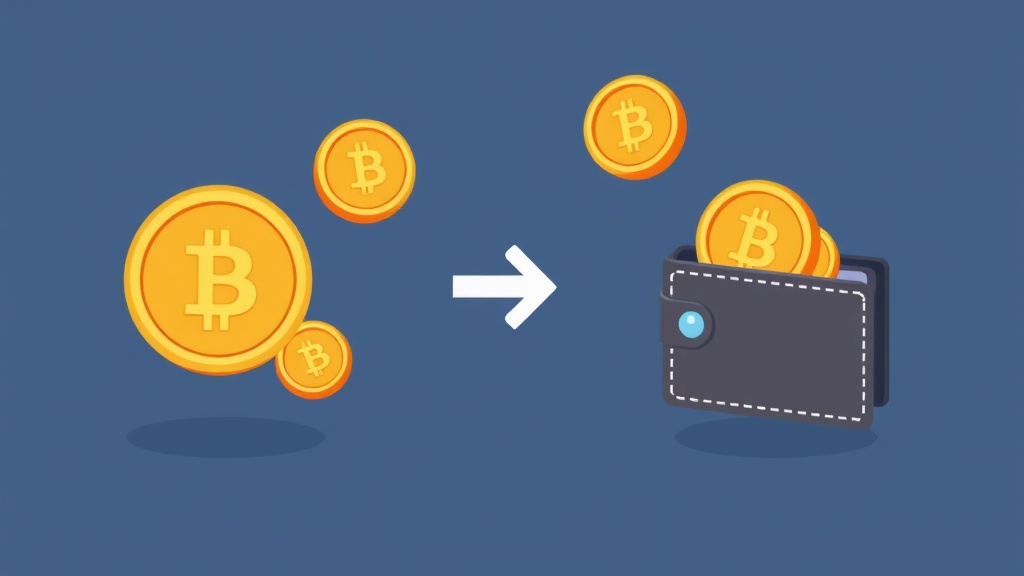
How to Safely Hop Coins Between Wallets for Better Privacy

Break the Deposit-Withdrawal Link: Ultimate Crypto Privacy Guide
Looking for a privacy tool?
Browse every mixer, exchanger and Telegram bot in one place.