How to Safely Hop Coins Between Wallets for Better Privacy
Why Hop Coins Between Wallets?
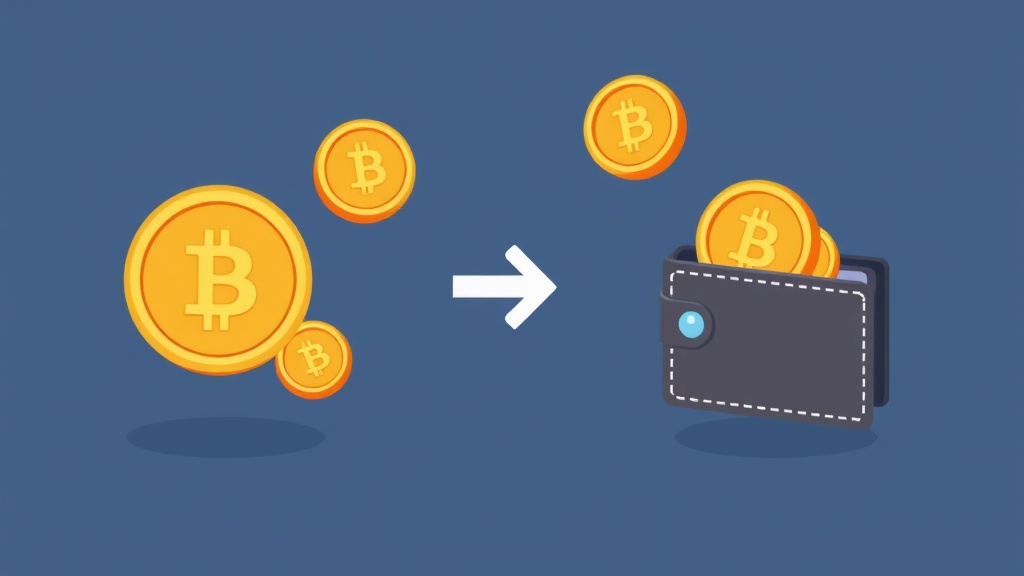
In the world of cryptocurrency, privacy isn’t just a luxury—it’s a necessity. When you transfer coins directly from one wallet to another, blockchain explorers can trace the transaction, linking your addresses and potentially exposing your financial history. Hopping coins between wallets—also known as "coin mixing" or "transaction obfuscation"—helps break this traceability by introducing multiple intermediate steps. This method is especially popular among privacy-conscious users who want to protect their financial anonymity.
By strategically moving coins through several wallets, you create a complex web of transactions that makes it difficult for anyone to follow the money trail. Whether you're using Bitcoin, Monero, or other cryptocurrencies, mastering the art of coin hopping can significantly enhance your privacy. Let’s dive into how you can do this safely and effectively.
Choose the Right Wallets for Coin Hopping
Not all wallets are created equal when it comes to privacy. To maximize anonymity, you’ll need wallets that don’t require KYC (Know Your Customer) verification and allow you to generate new addresses easily. Here are some top choices:
- Non-Custodial Wallets: These wallets give you full control over your private keys, reducing the risk of third-party exposure. Examples include Electrum (for Bitcoin), Wasabi Wallet (for Bitcoin mixing), and Samourai Wallet (for advanced privacy features).
- Privacy-Focused Cryptocurrencies: Coins like Monero (XMR) are designed with privacy in mind, making them ideal for hopping. Monero’s stealth addresses and ring signatures obscure transaction details by default.
- Hardware Wallets: While not ideal for frequent hopping due to their limited address generation, hardware wallets like Ledger or Trezor can be used for storing intermediate funds securely.
- Exchange Wallets (with caution): Some exchanges allow you to withdraw to new addresses without KYC, but always research their privacy policies first. Avoid centralized exchanges that require full identity verification.
Pro Tip: Always generate a new receiving address for each hop to prevent address reuse, which can compromise your privacy.
Step-by-Step Guide to Hopping Coins
Now that you’ve selected your wallets, it’s time to execute the hopping process. Follow these steps carefully to ensure maximum privacy:
Step 1: Start with a Clean Wallet
Begin with a wallet that has no prior transaction history linked to your identity. If you’re using a Bitcoin wallet, consider using a Wasabi Wallet or Samourai Wallet to mix your coins first. For Monero, the process is simpler since privacy is built-in.
Step 2: Break Up the Transaction
Instead of sending the entire amount in one go, split it into smaller chunks. For example, if you’re moving 1 BTC, consider sending 0.2 BTC to five different intermediate wallets. This fragmentation makes it harder for blockchain analysts to reconstruct your transaction path.
Use the following methods to split transactions:
- Manual Splitting: Send smaller amounts manually to different addresses within the same wallet.
- CoinJoin Services: Tools like Wasabi Wallet or JoinMarket automatically mix your coins with others, obscuring the source and destination.
- Lightning Network (for Bitcoin): If you’re using Bitcoin, the Lightning Network allows for instant, low-fee transactions that can be harder to trace.
Step 3: Use Intermediate Wallets
After splitting your coins, send each chunk to a separate intermediate wallet. These wallets should also be non-custodial and preferably not linked to your identity. Here’s how to manage them:
- Avoid reusing addresses: Generate a new address for each transaction to prevent linking your wallets.
- Use different wallet software: Mixing wallet types (e.g., Electrum for Bitcoin, Monero GUI for XMR) adds another layer of obfuscation.
- Delay transactions: Space out your hops over hours or days to make tracing more difficult. Avoid sending all transactions at once.
Step 4: Final Destination
After several hops, consolidate your funds into your final wallet. This wallet should also be privacy-focused and not linked to your identity. If you’re using Monero, the process is straightforward since the blockchain doesn’t expose transaction details. For Bitcoin, consider using a wallet like Wasabi or Samourai to mix the coins one last time before the final transfer.
Warning: Avoid hopping coins directly between wallets that you control exclusively. Mixing with other users’ coins (via CoinJoin) adds an extra layer of privacy.
Advanced Tips for Maximum Privacy
If you’re serious about privacy, consider these advanced techniques to further obscure your transactions:
- Use VPNs and Tor: Route your transactions through a VPN or Tor network to hide your IP address. This prevents third parties from linking your transactions to your physical location.
- Leverage Privacy Coins: Coins like Monero, Zcash, or Dash offer built-in privacy features. Swapping your Bitcoin for Monero and then back to Bitcoin can significantly improve anonymity.
- Decentralized Exchanges (DEXs): Use DEXs like Bisq or Haveno to swap coins without KYC. These platforms allow peer-to-peer trading, reducing exposure to centralized entities.
- Time Delays and Randomization: Vary the timing and amounts of your transactions. Sending random amounts at irregular intervals makes it harder for blockchain analysts to predict your behavior.
- Avoid Public Wi-Fi: Always use a secure, private internet connection when making transactions. Public Wi-Fi networks can expose your IP address and compromise your privacy.
Remember: No method is 100% foolproof. While coin hopping significantly improves privacy, determined adversaries with enough resources may still trace your transactions. Combine multiple techniques for the best results.
Common Mistakes to Avoid
Even experienced crypto users make mistakes that compromise their privacy. Here are some pitfalls to watch out for:
- Reusing Addresses: Always generate a new address for each transaction. Reusing addresses links your transactions together.
- Using KYC Exchanges: Exchanges that require identity verification (e.g., Coinbase, Binance) can expose your wallet addresses. Avoid using them for coin hopping.
- Skipping CoinJoin: If you’re using Bitcoin, CoinJoin services like Wasabi or Samourai are essential for breaking transaction trails. Skipping this step leaves your transactions vulnerable to analysis.
- Not Using a VPN/Tor: Your IP address can reveal your location and link transactions to you. Always use a VPN or Tor when transacting.
- Hopping Too Few Times: One or two hops aren’t enough to obscure your transaction history. Aim for at least 3-5 hops for better privacy.
By avoiding these mistakes, you’ll stay one step ahead of prying eyes and protect your financial privacy.
Conclusion: Take Control of Your Privacy
Hopping coins between wallets is a powerful technique for enhancing your cryptocurrency privacy. While it requires careful planning and execution, the payoff is well worth the effort. By using non-custodial wallets, splitting transactions, leveraging privacy coins, and avoiding common mistakes, you can significantly reduce the traceability of your crypto transactions.
Remember, privacy isn’t about hiding illegal activity—it’s about protecting your financial freedom and autonomy. In a world where surveillance and data collection are rampant, taking control of your privacy is a radical act of self-preservation.
Start small: experiment with hopping a small amount of Bitcoin or Monero between wallets. As you become more comfortable, refine your techniques and incorporate advanced privacy tools. Your future self will thank you for taking these steps to secure your financial privacy.
Stay safe, stay private, and keep hopping!
Related articles

How to Safely Disassociate Your Coins from an Exchange for Better Privacy
How to Safely Clean Your Blockchain Transaction History

How to Whitewash Coins: A Step-by-Step Privacy Guide for Crypto Users

How to Keep Crypto Transactions Below Red-Flag Thresholds for Privacy

How to Avoid Triggering Exchange AML Flags in Crypto Transactions
Looking for a privacy tool?
Browse every mixer, exchanger and Telegram bot in one place.