Exchange Attribution Mapping: Tracking Crypto Transactions for Better Privacy
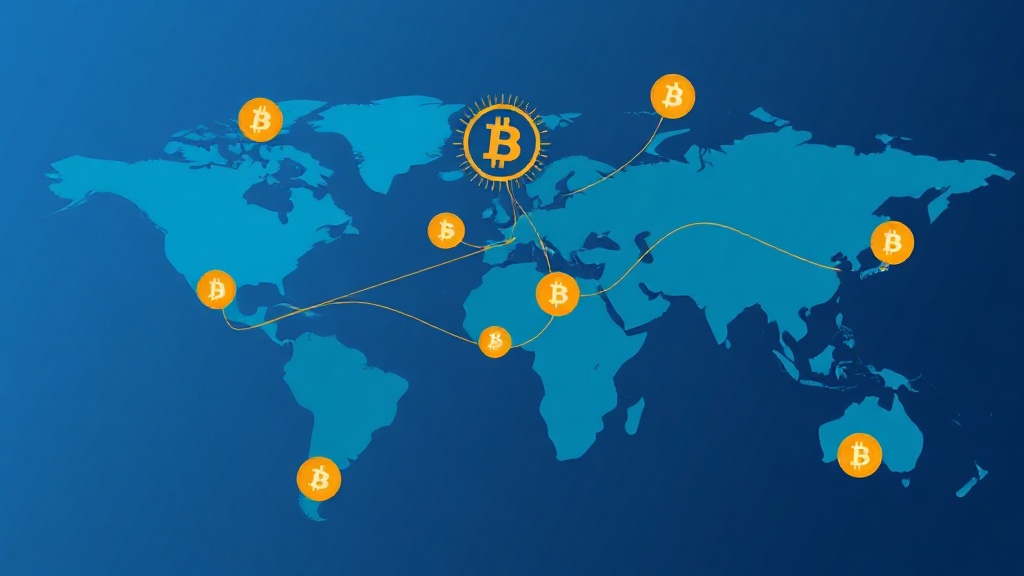
Understanding Exchange Attribution Mapping
Exchange attribution mapping is a critical concept in the world of cryptocurrency privacy. It refers to the process of identifying and tracking the flow of digital assets across different exchanges, wallets, and blockchain networks. This technique is often used by blockchain analysts, law enforcement, and privacy-conscious individuals to trace transactions, assess risk, and maintain financial transparency. However, it also raises significant concerns about privacy and anonymity in the crypto space.
At its core, exchange attribution mapping involves analyzing blockchain data to link specific transactions or wallet addresses to real-world entities, such as cryptocurrency exchanges. By examining patterns in transaction histories, IP addresses, and wallet behaviors, analysts can infer ownership or control over certain funds. This process is particularly relevant in the context of anti-money laundering (AML) regulations and Know Your Customer (KYC) compliance, where exchanges are required to identify their users.
Why Exchange Attribution Matters in Cryptocurrency
Exchange attribution mapping plays a pivotal role in several key areas of the cryptocurrency ecosystem:
- Regulatory Compliance: Governments and financial authorities rely on exchange attribution to enforce AML and KYC laws. By tracking transactions, they can identify illicit activities such as money laundering, fraud, or terrorist financing.
- Fraud Detection: Cryptocurrency exchanges use attribution mapping to detect suspicious activities, such as wash trading, spoofing, or unauthorized transactions. This helps protect users and maintain the integrity of the platform.
- Privacy Concerns: While attribution mapping enhances transparency, it also poses a threat to user privacy. Individuals who value anonymity may find their financial activities exposed through these tracking methods.
- Investigative Purposes: Law enforcement agencies use exchange attribution to trace stolen funds, recover assets, and dismantle criminal networks. This has been particularly effective in cases involving ransomware attacks or darknet market transactions.
For cryptocurrency users, understanding exchange attribution is essential for making informed decisions about privacy, security, and compliance. Whether you're a trader, investor, or simply a privacy advocate, knowing how your transactions are tracked can help you take steps to protect your financial information.
How Exchange Attribution Mapping Works
Exchange attribution mapping relies on a combination of blockchain analysis, data aggregation, and behavioral pattern recognition. Here’s a breakdown of how the process typically works:
1. Data Collection and Aggregation
Analysts gather data from multiple sources, including:
- Public blockchain ledgers (e.g., Bitcoin, Ethereum, or other cryptocurrency networks).
- Exchange transaction histories (when legally accessible).
- IP addresses and geolocation data associated with wallet interactions.
- Third-party services that provide blockchain analytics (e.g., Chainalysis, CipherTrace, or TRM Labs).
This data is then aggregated and cross-referenced to identify connections between addresses, transactions, and entities.
2. Address Clustering
One of the primary techniques in exchange attribution is address clustering. This involves grouping multiple wallet addresses that are likely controlled by the same entity. For example, if a user deposits funds into an exchange from multiple addresses, those addresses may be clustered together as belonging to the same individual or organization.
Analysts use heuristics such as:
- Co-spending: If two addresses are used together in a single transaction, they may belong to the same wallet.
- Change Addresses: When a user sends funds, the change is often returned to a new address. If this address is reused, it can be linked to the original wallet.
- Behavioral Patterns: Consistent transaction sizes, timing, or interactions with known services (e.g., exchanges) can indicate shared ownership.
3. Entity Resolution
Once addresses are clustered, analysts attempt to resolve them to real-world entities. This is where exchange attribution comes into play. Exchanges often require users to undergo KYC verification, which links their wallet addresses to their identity. By analyzing deposits and withdrawals to and from these exchanges, analysts can attribute specific addresses to known individuals or businesses.
For example, if a wallet address is frequently used to deposit funds into a regulated exchange that requires KYC, the analyst can infer that the address is controlled by a specific person or entity. This process is not foolproof but provides a strong indication of ownership.
4. Visualization and Reporting
The final step in exchange attribution mapping is visualizing the data. Analysts use tools like graphs, flowcharts, or heatmaps to represent the relationships between addresses, transactions, and entities. These visualizations help investigators, compliance teams, or privacy-conscious users understand the flow of funds and identify suspicious activities.
Challenges and Limitations of Exchange Attribution
While exchange attribution mapping is a powerful tool, it is not without its challenges and limitations. Understanding these can help users and analysts navigate the complexities of cryptocurrency privacy.
1. False Positives and Inaccuracies
Address clustering and entity resolution are not exact sciences. Heuristics used in these processes can lead to false positives, where unrelated addresses are incorrectly linked. For example, two unrelated users might deposit funds into the same exchange at the same time, creating a false association.
Additionally, privacy-focused cryptocurrencies (e.g., Monero or Zcash) or mixing services (e.g., Tornado Cash) can obscure transaction histories, making attribution difficult or impossible. This highlights the ongoing cat-and-mouse game between privacy advocates and those seeking to track transactions.
2. Decentralized Exchanges and Privacy Coins
Decentralized exchanges (DEXs) and privacy coins present significant challenges for exchange attribution. Unlike centralized exchanges, DEXs do not require KYC verification, making it harder to link addresses to real-world identities. Similarly, privacy coins like Monero or Zcash use advanced cryptographic techniques to obfuscate transaction details, rendering traditional attribution methods ineffective.
This has led to increased adoption of privacy coins among users who prioritize anonymity, as well as regulatory scrutiny over their use in illicit activities.
3. Jurisdictional and Legal Barriers
Exchange attribution mapping often requires access to data from regulated exchanges, which may be subject to strict privacy laws. In some jurisdictions, authorities may be unable to share KYC data with third-party analysts, limiting the effectiveness of attribution efforts. Additionally, users in countries with strict financial regulations may face challenges in accessing privacy-enhancing tools without violating local laws.
4. Evolving Techniques and Countermeasures
As exchange attribution techniques become more sophisticated, so do the methods used to evade them. Privacy-conscious users employ tactics such as:
- Coin Mixing: Services like CoinJoin (used in Bitcoin) or Tornado Cash (used in Ethereum) mix transactions to break the link between sender and receiver.
- Address Reuse Avoidance: Users avoid reusing addresses to prevent clustering and maintain anonymity.
- Hardware Wallets: Storing funds in hardware wallets reduces exposure to online tracking and hacking risks.
- Decentralized Identity Solutions: Emerging technologies like decentralized identifiers (DIDs) or zero-knowledge proofs (ZKPs) aim to provide identity verification without compromising privacy.
Practical Tips for Protecting Your Privacy in Cryptocurrency
If you're concerned about exchange attribution and want to maintain your privacy in the cryptocurrency space, here are some practical tips to consider:
- Use Privacy-Focused Wallets: Wallets like Wasabi Wallet (for Bitcoin) or Samourai Wallet offer built-in CoinJoin functionality to mix your transactions and enhance privacy.
- Avoid Reusing Addresses: Always generate a new address for each transaction to prevent address clustering and reduce the risk of attribution.
- Leverage Privacy Coins: Consider using privacy coins like Monero (XMR) or Zcash (ZEC) for transactions where anonymity is a priority. However, be aware of regulatory restrictions in your jurisdiction.
- Use Mixing Services Carefully: While mixing services can enhance privacy, they may also attract regulatory scrutiny. Research the service thoroughly and understand the risks before using it.
- Minimize Exchange Exposure: Avoid keeping large amounts of cryptocurrency on exchanges, as they often require KYC verification. Instead, use non-custodial wallets for long-term storage.
- Enable Two-Factor Authentication (2FA): Protect your exchange accounts with 2FA to prevent unauthorized access and reduce the risk of funds being linked to your identity.
- Stay Informed About Regulations: Privacy laws and cryptocurrency regulations vary by country. Stay updated on local laws to ensure compliance while maintaining your privacy.
- Use VPNs and Tor: When accessing cryptocurrency services, use a virtual private network (VPN) or the Tor browser to mask your IP address and location.
Conclusion: Balancing Privacy and Transparency in Crypto
Exchange attribution mapping is a double-edged sword in the world of cryptocurrency. On one hand, it enhances transparency, helps combat illicit activities, and ensures regulatory compliance. On the other hand, it poses significant risks to user privacy and anonymity, which are core principles of decentralized finance.
For cryptocurrency users, the key is to strike a balance between transparency and privacy. By understanding how exchange attribution works and employing best practices for privacy protection, you can navigate the crypto landscape more securely. Whether you're a trader, investor, or privacy advocate, staying informed and proactive is essential for safeguarding your financial information in an increasingly transparent digital world.
As the cryptocurrency ecosystem evolves, so too will the techniques for exchange attribution and privacy enhancement. By staying ahead of the curve and adopting privacy-focused tools and strategies, you can maintain control over your financial data and enjoy the benefits of decentralized finance without sacrificing your anonymity.
Related articles
Wallet Fingerprinting: How to Protect Your Crypto Privacy
UTXO Clustering: Enhancing Cryptocurrency Privacy and Security
Detecting CoinJoin Transactions: Key Heuristics Explained
Mixer Detection Algorithm: How to Track Privacy Coins and Stay Anonymous

Taint Analysis and Propagation in Cryptocurrency Privacy
Looking for a privacy tool?
Browse every mixer, exchanger and Telegram bot in one place.