How Sudoku Attack Threatens CoinJoin Privacy in Crypto Transactions
Understanding CoinJoin and Its Role in Cryptocurrency Privacy
CoinJoin is a privacy-enhancing technique used in cryptocurrencies like Bitcoin to obscure transaction trails. By combining multiple transactions from different users into a single transaction, CoinJoin makes it difficult to trace the origin and destination of funds. This method leverages decentralized mixing to enhance anonymity, making it a popular choice for privacy-conscious users.
However, despite its benefits, CoinJoin is not immune to sophisticated attacks. One such attack is the Sudoku Attack, which exploits weaknesses in the way transactions are structured and combined. Understanding how this attack works is crucial for users who rely on CoinJoin for financial privacy.
What Is the Sudoku Attack and How Does It Work?
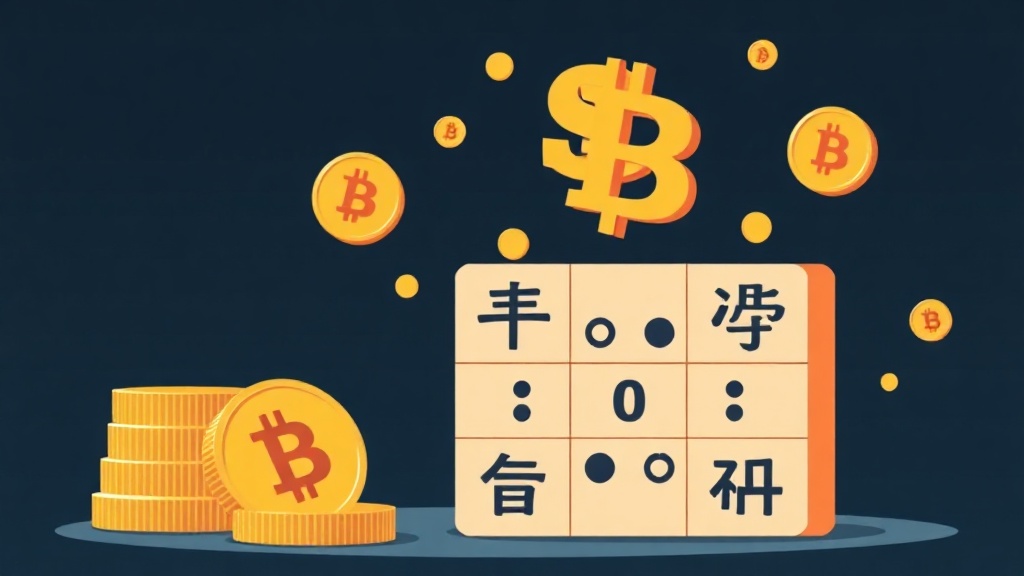
The Sudoku Attack is a deanonymization technique that targets the input-output relationship in CoinJoin transactions. The name comes from the game Sudoku, where the goal is to fill a grid so that each row, column, and subgrid contains unique numbers. Similarly, in a CoinJoin transaction, inputs and outputs must align in a way that maintains privacy.
The attack works by analyzing the input-output mapping in a CoinJoin transaction. Attackers look for patterns or overlaps that reveal which inputs correspond to which outputs. For example, if an attacker can identify a unique input-output pair, they can trace the flow of funds through the transaction, undermining the privacy CoinJoin aims to provide.
This attack is particularly effective against smaller CoinJoin transactions, where the number of participants is limited. In such cases, the input-output relationships are easier to analyze, making it simpler for attackers to deanonymize users.
Why the Sudoku Attack Is a Growing Concern for Crypto Users
The Sudoku Attack poses a significant threat to the privacy of cryptocurrency users, especially those who rely on CoinJoin for anonymity. Unlike traditional blockchain analysis, which focuses on transaction graphs, the Sudoku Attack targets the structural weaknesses in CoinJoin transactions.
One of the primary concerns is that the attack can be automated using machine learning algorithms. These algorithms can quickly analyze large datasets of CoinJoin transactions, identifying patterns that human analysts might miss. This automation makes the Sudoku Attack scalable, increasing the risk for users who participate in CoinJoin transactions.
Additionally, the attack can be combined with other deanonymization techniques, such as dusting attacks or address clustering, to further compromise user privacy. For example, an attacker could send small amounts of cryptocurrency (dust) to a user's address and then monitor how those funds are spent in a CoinJoin transaction. By analyzing the input-output relationships, the attacker can link the dusted address to the user's other transactions.
How to Protect Yourself from the Sudoku Attack
While the Sudoku Attack is a serious threat, there are steps users can take to mitigate the risks and enhance their privacy when using CoinJoin. Here are some practical tips to protect yourself:
- Use Larger CoinJoin Transactions: Participating in larger CoinJoin transactions with more participants makes it harder for attackers to identify input-output relationships. The more users involved, the more complex the transaction becomes, reducing the effectiveness of the Sudoku Attack.
- Choose Reputable CoinJoin Services: Not all CoinJoin services are created equal. Opt for well-established platforms with a strong reputation for privacy and security. Services like Wasabi Wallet, Samourai Wallet, and JoinMarket are popular choices among privacy-conscious users.
- Use Multiple CoinJoin Rounds: Running your transactions through multiple CoinJoin rounds can further obscure the transaction trail. Each round adds another layer of complexity, making it harder for attackers to trace the flow of funds.
- Monitor for Dusting Attacks: Be cautious of unsolicited transactions, especially small amounts of cryptocurrency sent to your address. If you suspect a dusting attack, avoid spending those funds in a CoinJoin transaction until you've confirmed their safety.
- Use Stealth Addresses and Coin Control: Combining CoinJoin with other privacy-enhancing tools like stealth addresses and coin control can add an extra layer of protection. Stealth addresses generate unique receiving addresses for each transaction, while coin control allows you to select specific inputs for your transactions, reducing the risk of input-output linkage.
Future of CoinJoin and Privacy in Cryptocurrency
The Sudoku Attack highlights the ongoing cat-and-mouse game between privacy-enhancing technologies and deanonymization techniques. As attackers develop more sophisticated methods, the cryptocurrency community must continue innovating to stay ahead. Developers are already working on improvements to CoinJoin protocols to address vulnerabilities like the Sudoku Attack.
For example, PayJoin is an advanced form of CoinJoin that allows merchants and customers to combine their transactions seamlessly. By integrating PayJoin into point-of-sale systems, businesses can enhance privacy for their customers without requiring additional steps. This approach reduces the risk of input-output linkage, making it harder for attackers to apply the Sudoku Attack.
Another promising development is the integration of zero-knowledge proofs into privacy-enhancing technologies. Zero-knowledge proofs allow users to prove the validity of a transaction without revealing sensitive information, such as the sender, receiver, or amount. This technology could revolutionize privacy in cryptocurrency transactions, making attacks like the Sudoku Attack obsolete.
As the cryptocurrency ecosystem evolves, users must stay informed about the latest privacy tools and threats. By adopting best practices and leveraging advanced technologies, users can protect their financial privacy and maintain control over their data in an increasingly transparent digital world.
Conclusion: Staying Ahead in the Privacy Arms Race
The Sudoku Attack serves as a reminder that privacy in cryptocurrency is not a static achievement but an ongoing effort. While CoinJoin remains one of the most effective tools for enhancing transaction privacy, users must remain vigilant against emerging threats. By understanding how attacks like the Sudoku Attack work and taking proactive steps to protect their funds, users can continue to enjoy the benefits of financial privacy in the digital age.
As the cryptocurrency community continues to innovate, the future of privacy looks promising. With advancements in technology and a growing emphasis on user control, tools like CoinJoin will only become more robust and effective. For now, staying informed and adopting best practices are the keys to safeguarding your financial privacy in the world of cryptocurrency.
Related articles


Equal-Output CoinJoin: Enhancing Bitcoin Privacy with Smart Mixing

Understanding CoinJoin Subtransaction Linking Risks and Solutions

Understanding Subset Sum Analysis for Cryptocurrency Privacy
Anonymity Set Reduction: How It Impacts Crypto Privacy & Security

Anonymity Set Analysis: How to Measure Privacy in Crypto Transactions
Looking for a privacy tool?
Browse every mixer, exchanger and Telegram bot in one place.