How to Spot a Dusting Attack: Protect Your Crypto Privacy

What Is a Dusting Attack?
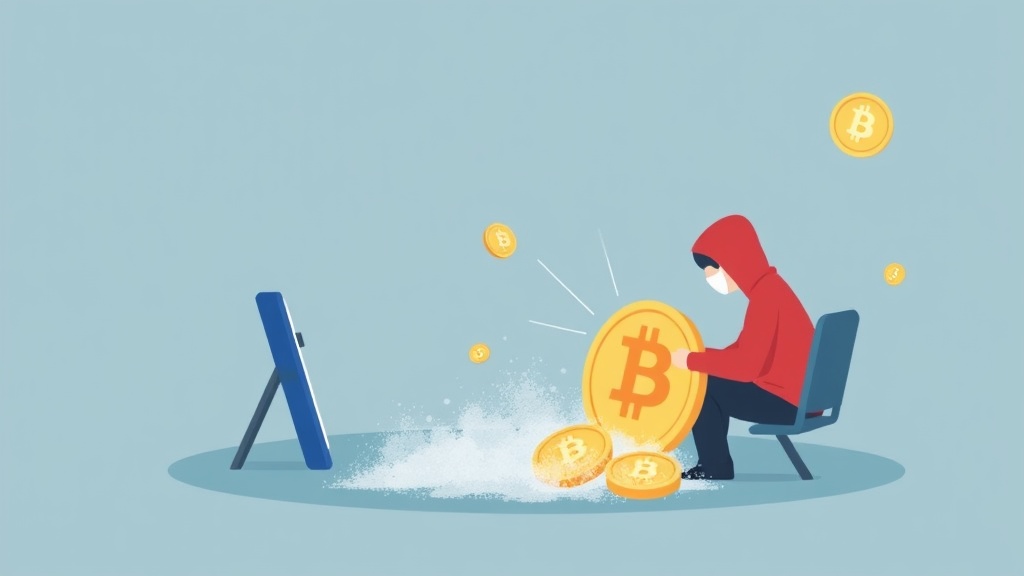
Dusting attacks are a type of cryptocurrency scam where attackers send tiny amounts of crypto (often called "dust") to numerous wallets. These small transactions are designed to track wallet activity and link addresses to real-world identities. While the dust itself has little value, the real danger lies in its use for surveillance and potential theft.
How Dusting Attacks Work
Attackers use automated tools to send dust to thousands of wallets. Once the dust is received, blockchain analysts can trace transactions to identify patterns. If a wallet interacts with exchanges or services that require KYC (Know Your Customer) verification, attackers may exploit this data to steal funds or launch phishing attacks.
Signs of a Dusting Attack
- Unexpected small transactions: Receiving unsolicited crypto, even in tiny amounts.
- Unusual wallet activity: Sudden spikes in transaction frequency or links to unknown addresses.
- KYC prompts: Exchanges flagging your account for "suspicious" behavior after receiving dust.
How to Protect Yourself
To avoid falling victim, follow these practical steps:
- Ignore dust: Do not move or interact with dust-filled wallets.
- Use privacy coins: Monero or Zcash can obscure transaction trails.
- Avoid KYC: Use non-KYC exchanges or wallets to minimize exposure.
- Monitor addresses: Regularly check wallet activity with tools like Etherscan or Blockchair.
Conclusion
Dusting attacks are a growing threat in the crypto space, but awareness and proactive measures can mitigate risks. By understanding how these attacks work and adopting privacy-focused practices, you can safeguard your assets and maintain anonymity in an increasingly monitored digital world.
Related articles




Looking for a privacy tool?
Browse every mixer, exchanger and Telegram bot in one place.