How Wallet Software Fingerprinting Threatens Your Crypto Privacy
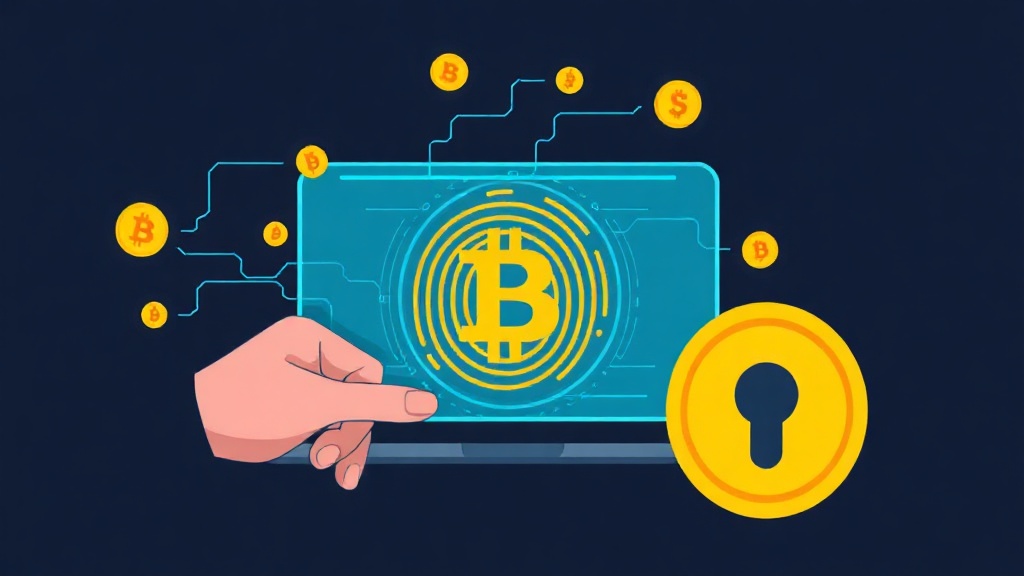
Understanding Wallet Software Fingerprinting
Wallet software fingerprinting is a sophisticated tracking technique used to identify and monitor cryptocurrency users by analyzing unique patterns in their wallet behavior. Unlike traditional tracking methods that rely on IP addresses or cookies, fingerprinting focuses on subtle digital traces left by wallet applications. These traces can include transaction timing, address reuse, fee structures, and even the specific wallet software version in use.
For cryptocurrency enthusiasts concerned about privacy, understanding how fingerprinting works is crucial. While blockchain transactions are pseudonymous by design, wallet software fingerprinting can potentially link these transactions to real-world identities, compromising financial privacy. This technique is particularly concerning for users of privacy-focused cryptocurrencies or those operating in regions with strict financial regulations.
How Fingerprinting Techniques Compromise Privacy
Several methods are employed to create digital fingerprints of wallet software:
- Behavioral Analysis: Tracking patterns in transaction timing, fee amounts, and address generation to identify unique wallet signatures.
- Protocol Fingerprinting: Analyzing differences in how various wallet software implements blockchain protocols, such as Bitcoin's transaction malleability handling.
- Metadata Extraction: Collecting information about wallet software versions, default settings, and even hardware configurations.
- Address Clustering: Using advanced algorithms to group addresses controlled by the same wallet based on spending patterns and transaction graph analysis.
These techniques often work together to create a comprehensive profile of a wallet's user. For example, a wallet that consistently uses certain fee rates or transaction structures might be uniquely identifiable among thousands of similar transactions. Privacy-focused wallets like Wasabi or Samourai implement countermeasures, but no solution is completely immune to determined fingerprinting attempts.
Real-World Implications for Cryptocurrency Users
The consequences of wallet fingerprinting extend beyond mere privacy concerns. In some cases, this technique has been used to:
- Identify High-Value Targets: Exchanges and financial institutions use fingerprinting to detect large transactions that might require enhanced due diligence.
- Track Illegal Activity: Law enforcement agencies employ these methods to trace illicit transactions, sometimes leading to unintended privacy violations for innocent users.
- Enable Price Discrimination: Some services adjust fees or terms based on perceived wallet sophistication or transaction patterns.
- Create Surveillance Networks: Persistent fingerprinting allows for long-term monitoring of user behavior across different services.
Perhaps most concerning is the potential for fingerprinting to be combined with other tracking methods. A wallet fingerprint might be linked to an IP address, browser fingerprint, or even social media activity, creating a comprehensive surveillance profile. This reality has led many privacy advocates to question the fundamental assumptions of cryptocurrency pseudonymity.
Protecting Your Wallet from Fingerprinting Attacks
While complete protection against fingerprinting is challenging, several strategies can significantly reduce your exposure:
- Use Privacy-Focused Wallets: Consider wallets specifically designed with privacy in mind, such as Wasabi Wallet, Samourai Wallet, or the privacy mode in Electrum.
- Implement CoinJoin Transactions: Services like Wasabi's built-in CoinJoin or external providers can break transaction links by mixing coins with others.
- Practice Address Rotation: Generate new addresses for each transaction and avoid reusing addresses whenever possible.
- Use Stealth Addresses: Some cryptocurrencies like Monero implement stealth addresses by default, making transaction linking extremely difficult.
- Run Your Own Node: Using a personal node rather than public services reduces the data points available for fingerprinting.
- Disable Analytics Features: Many wallet interfaces include analytics or telemetry that should be disabled to prevent data collection.
Additionally, consider using mixers or tumblers (though these come with their own risks) and be mindful of transaction timing patterns. Some advanced users even employ techniques like delayed broadcasting to obscure transaction timing patterns that might reveal wallet fingerprints.
Future of Wallet Privacy: Emerging Solutions
The arms race between privacy advocates and tracking technologies continues to evolve. Several promising developments could shape the future of wallet privacy:
- Zero-Knowledge Proofs: Technologies like zk-SNARKs (used in Zcash) allow transactions to be verified without revealing sender, receiver, or amount.
- Confidential Transactions: Implemented in Bitcoin's Liquid Network, these hide transaction amounts while still allowing verification.
- Decentralized Mixing: Protocols like JoinMarket enable peer-to-peer coin mixing without relying on centralized services.
- Enhanced Privacy Coins: Newer cryptocurrencies like Monero and Grin implement privacy by default at the protocol level.
Regulatory pressures may also shape these developments. As governments worldwide increase scrutiny of cryptocurrency transactions, the balance between privacy and compliance will continue to be a hotly debated topic. Some privacy advocates argue for privacy by default approaches, while others believe users should have the choice to opt-in to privacy features.
The challenge for privacy-focused users remains staying ahead of both technological developments and regulatory changes. As fingerprinting techniques become more sophisticated, so too must the countermeasures employed by privacy-conscious cryptocurrency users.
Conclusion: Taking Control of Your Financial Privacy
Wallet software fingerprinting represents a significant threat to cryptocurrency privacy that often goes unnoticed by casual users. While blockchain technology provides pseudonymity, the implementation details of wallet software can inadvertently reveal much more information than intended. Understanding these risks is the first step toward protecting your financial privacy in the digital age.
By combining technical solutions like privacy-focused wallets and CoinJoin transactions with operational security practices, users can significantly reduce their exposure to fingerprinting attacks. However, it's important to recognize that perfect privacy is increasingly difficult to achieve in a world where sophisticated tracking techniques are constantly evolving.
The future of cryptocurrency privacy will likely be shaped by both technological innovation and regulatory developments. As users, staying informed about these changes and adapting our practices accordingly will be crucial for maintaining financial privacy in the years to come. Remember that privacy is not a binary state but a spectrum - every additional layer of protection you implement moves you further along that spectrum toward greater financial sovereignty.
Related articles

Script Type Fingerprinting: How It Compromises Your Crypto Privacy
How to Change Output Identification in Cryptocurrency Transactions for Better Privacy

Understanding Round Number Heuristic in Cryptocurrency Privacy
Output Splitting Heuristic: Boosting Crypto Privacy with Smart Techniques

Input Consolidation Heuristic: Boosting Crypto Privacy with Smart Techniques
Looking for a privacy tool?
Browse every mixer, exchanger and Telegram bot in one place.