Timing Correlation Attacks: How Hackers Exploit Cryptocurrency Privacy Flaws
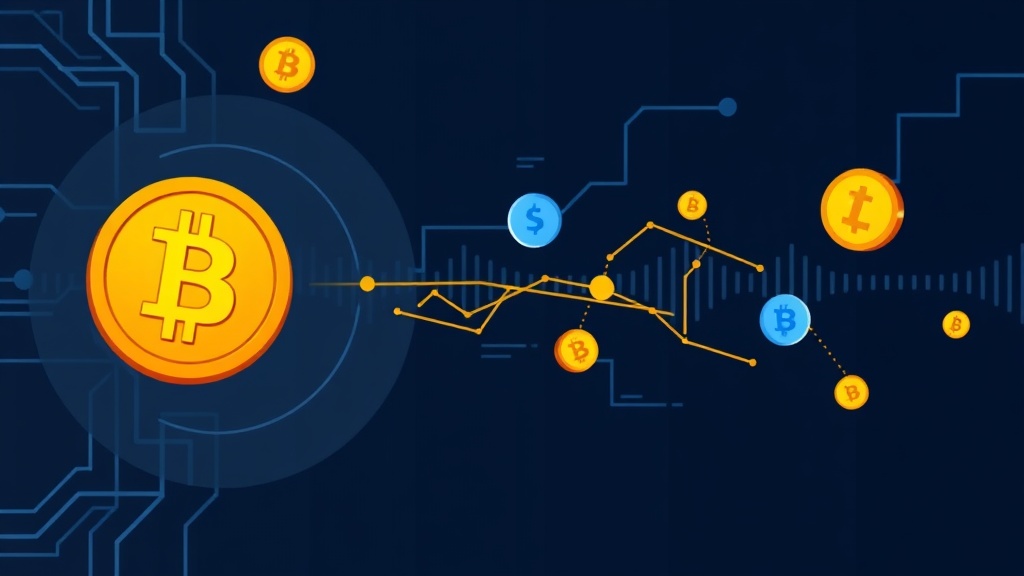
Understanding Timing Correlation Attacks in Cryptocurrency
Timing correlation attacks are a sophisticated method used by adversaries to breach cryptocurrency privacy by analyzing the timing patterns of network transactions. Unlike brute-force attacks that rely on computational power, timing attacks exploit subtle variations in how long it takes for data to travel across a network. In the context of cryptocurrencies like Bitcoin or Monero, these attacks can reveal sensitive information—such as transaction origins or user identities—by correlating timing data with public transaction logs.
These attacks are particularly dangerous because they don’t require direct access to a user’s device or private keys. Instead, they rely on network-level data that is often publicly available. For privacy-conscious cryptocurrency users, understanding timing correlation attacks is crucial to safeguarding financial anonymity.
How Timing Correlation Attacks Work: A Step-by-Step Breakdown
Timing correlation attacks operate on the principle that network latency—the delay between sending and receiving data—can reveal patterns. Here’s how they typically unfold:
- Data Collection: Attackers gather timing data by monitoring network traffic between nodes (e.g., Bitcoin peers) or analyzing timestamps in transaction broadcasts. Tools like packet sniffers or network probes can capture this data passively.
- Pattern Analysis: The attacker compares the timing of observed transactions with known transaction patterns. For example, if a user broadcasts a transaction from a specific IP address, the timing of that broadcast can be correlated with the transaction’s appearance on the blockchain.
- Correlation Mapping: By cross-referencing timing data with blockchain records, attackers can infer relationships between transactions. This is especially effective in privacy-focused cryptocurrencies where transaction graphs are analyzed to link inputs and outputs.
- Privacy Breach: The final step involves deducing sensitive information, such as the sender’s IP address, wallet address, or even the recipient’s location, based on timing patterns.
For instance, in a Bitcoin transaction, if an attacker observes a sudden spike in network activity from a specific node followed by a transaction confirmation, they can infer that the node’s owner is likely the sender. This method bypasses traditional encryption by focusing on metadata rather than the encrypted content itself.
Real-World Examples of Timing Correlation Attacks
Timing correlation attacks aren’t just theoretical—they’ve been used in real-world scenarios to compromise cryptocurrency privacy. Here are a few notable examples:
- Bitcoin Mixing Services: Privacy-focused services like CoinJoin or Wasabi Wallet aim to obfuscate transaction trails. However, attackers have exploited timing correlations to link inputs and outputs in these mixers, reducing their effectiveness. For example, if a user’s transaction is the only one broadcast during a specific time window, an attacker can link it to the user’s wallet.
- Monero’s Traceability Issues: While Monero is designed for privacy, research has shown that timing attacks can partially deanonymize transactions. By analyzing the timing of ring signature broadcasts, attackers can infer relationships between transactions, especially in less crowded network conditions.
- Ethereum Smart Contracts: Timing attacks have been used to exploit vulnerabilities in smart contracts that rely on predictable transaction timing. For example, attackers can front-run transactions by monitoring the mempool (the pool of pending transactions) and timing their own transactions to exploit price differences.
These examples highlight the importance of robust privacy measures in cryptocurrency transactions. Even advanced privacy coins can be vulnerable if timing data is not properly obfuscated.
Mitigating Timing Correlation Attacks: Best Practices for Privacy
Protecting against timing correlation attacks requires a combination of technical solutions and user awareness. Here are practical steps to enhance privacy:
- Use Privacy-Focused Cryptocurrencies: Opt for privacy coins like Monero (XMR) or Zcash (ZEC), which incorporate advanced cryptographic techniques like ring signatures, zk-SNARKs, or stealth addresses to obscure transaction details. These features make timing correlation attacks significantly harder.
- Leverage Mixing Services: Services like CoinJoin or Wasabi Wallet can help obfuscate transaction trails by combining multiple transactions into a single batch. However, ensure you use reputable services with sufficient liquidity to avoid timing-based deanonymization.
- Randomize Transaction Timing: Avoid broadcasting transactions at predictable intervals. Use tools like Bitcoin Core’s transaction batching or manual delays to disrupt timing patterns.
- Use Tor or VPNs: Route your transactions through anonymity networks like Tor or a reputable VPN to mask your IP address. This makes it harder for attackers to correlate your network activity with blockchain data.
- Monitor Network Conditions: Be aware of network congestion and timing patterns. During high-traffic periods, timing correlations are less reliable, making it harder for attackers to pinpoint specific transactions.
- Employ Dandelion++ Protocol: Some cryptocurrencies, like Bitcoin, are experimenting with the Dandelion++ protocol, which randomizes the propagation path of transactions to obscure their origin. While not yet widely adopted, this could become a standard privacy feature.
Additionally, consider using hardware wallets with built-in privacy features, such as the BitBox02, which supports CoinJoin and other privacy-enhancing technologies.
Future of Privacy: Advancements and Challenges
The cryptocurrency ecosystem is continuously evolving to counter timing correlation attacks and other privacy threats. Emerging technologies and research directions include:
- Zero-Knowledge Proofs (ZKPs): Protocols like zk-SNARKs (used in Zcash) allow transactions to be verified without revealing sensitive information. These proofs are resistant to timing attacks because they don’t rely on traditional transaction broadcasting.
- Lightning Network: Layer-2 solutions like the Lightning Network can enhance privacy by routing transactions off-chain. Since transactions aren’t broadcast to the entire network, timing correlation attacks become far less effective.
- Decentralized Mixers: Projects like Tornado Cash use smart contracts to mix Ethereum transactions, making it difficult to link inputs and outputs. However, regulatory scrutiny has raised concerns about the legality of such services.
- Post-Quantum Cryptography: As quantum computing advances, traditional cryptographic methods may become obsolete. Post-quantum cryptography aims to develop algorithms resistant to both quantum and timing-based attacks.
Despite these advancements, challenges remain. Regulatory pressures, such as KYC/AML requirements, can undermine privacy-focused technologies. Additionally, the arms race between privacy enhancements and deanonymization techniques continues, with attackers constantly developing new methods to exploit vulnerabilities.
Conclusion: Staying Ahead of Timing Correlation Attacks
Timing correlation attacks pose a significant threat to cryptocurrency privacy, but they are not insurmountable. By understanding how these attacks work and implementing robust privacy measures, users can significantly reduce their risk of exposure. Whether you’re using Bitcoin, Monero, or another cryptocurrency, prioritize tools and techniques that obfuscate transaction timing and metadata.
For those serious about privacy, combining multiple strategies—such as using privacy coins, mixing services, and anonymity networks—is the most effective approach. Stay informed about emerging threats and advancements in cryptographic privacy to ensure your financial activities remain secure and anonymous.
Remember: In the world of cryptocurrency, privacy is a continuous battle. Stay vigilant, stay educated, and take proactive steps to protect your financial sovereignty.
Related articles
Script Type Fingerprinting: How It Compromises Your Crypto Privacy
How to Change Output Identification in Cryptocurrency Transactions for Better Privacy

Understanding Round Number Heuristic in Cryptocurrency Privacy
Output Splitting Heuristic: Boosting Crypto Privacy with Smart Techniques

Input Consolidation Heuristic: Boosting Crypto Privacy with Smart Techniques
Looking for a privacy tool?
Browse every mixer, exchanger and Telegram bot in one place.