Mixing Before Cashout: Enhancing Cryptocurrency Privacy and Security
Understanding Cryptocurrency Mixing Before Cashout
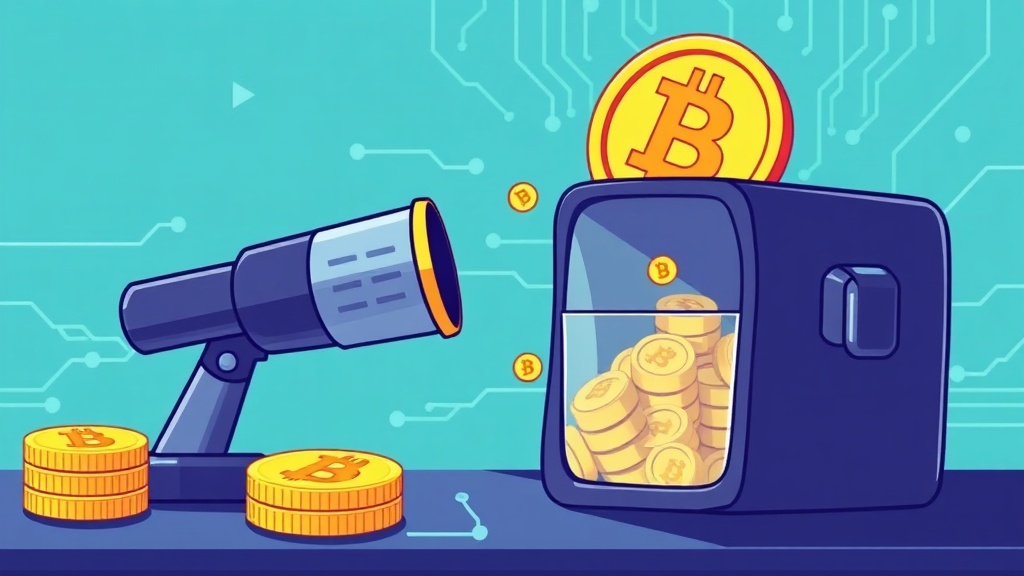
Cryptocurrency mixing, also known as coin mixing or tumbling, is a process designed to enhance the privacy and anonymity of digital transactions. When you mix coins before cashing out, you obscure the trail of transactions on the blockchain, making it significantly harder for third parties to trace your financial activities. This is particularly important for users who prioritize privacy or operate in regions with strict financial surveillance.
At its core, mixing involves sending your cryptocurrency to a service that pools it with other users' funds. The service then redistributes the coins back to the original owners, but in a way that severs the direct link between the source and destination addresses. This method is widely used in the cryptocurrency space to protect users from prying eyes, including hackers, government agencies, or even nosy neighbors.
However, it's essential to recognize that while mixing can provide an extra layer of privacy, it is not foolproof. The effectiveness of mixing depends on the service you choose, the type of cryptocurrency, and how you execute the process. In this article, we'll explore the ins and outs of mixing before cashout, its benefits, risks, and best practices to ensure you stay safe and anonymous.
Why Mix Coins Before Cashout? Privacy and Security Benefits
Privacy is a fundamental human right, and in the digital age, it's more critical than ever. Cryptocurrency transactions are recorded on a public ledger called the blockchain, which anyone can view. While blockchain addresses are pseudonymous, they can often be linked to real-world identities through various means, such as exchange records or IP addresses. Mixing your coins before cashing out helps mitigate this risk by breaking the on-chain link between your source and destination addresses.
Here are some key benefits of mixing coins before cashout:
- Enhanced Anonymity: Mixing services shuffle your coins with others, making it nearly impossible to trace the origin of your funds. This is especially useful for large transactions where privacy is paramount.
- Protection Against Surveillance: Governments and financial institutions increasingly monitor cryptocurrency transactions. Mixing helps you avoid unnecessary scrutiny by obscuring your financial history.
- Preventing Targeted Attacks: If your wallet address is linked to your identity, hackers or scammers may target you. Mixing reduces this risk by keeping your transactions private.
- Compliance with Privacy-First Strategies: For businesses or individuals handling sensitive financial data, mixing can be a crucial part of a broader privacy strategy.
While mixing offers significant advantages, it's not a one-size-fits-all solution. The level of privacy you achieve depends on the mixing service's reputation, the cryptocurrency you're using, and your own operational security. Let’s dive deeper into how mixing works and what you need to know to use it effectively.
How Cryptocurrency Mixing Services Work
Cryptocurrency mixing services, or tumblers, operate by pooling funds from multiple users and redistributing them in a way that severs the transaction trail. The process typically involves several steps, each designed to maximize privacy and minimize traceability. Here’s a breakdown of how it works:
Step 1: Deposit Your Coins
You start by sending your cryptocurrency to the mixing service’s deposit address. This address is provided by the service and is different from your personal wallet. It’s crucial to use a fresh deposit address for each mixing session to avoid linking your transactions.
Step 2: Pooling with Other Users
The service combines your deposited coins with those of other users. The more users participate in the pool, the harder it becomes to trace individual transactions. Some advanced mixing services use multiple pools or layers to further obscure the transaction trail.
Step 3: Redistribution
After a set period or when the pool reaches a certain size, the service redistributes the coins back to the original owners. The redistribution is done in a way that breaks the direct link between the deposit and withdrawal addresses. For example, you might receive coins from a different address than the one you sent them to.
Step 4: Withdrawal to Your Wallet
Finally, you withdraw the mixed coins to your personal wallet or another address. It’s recommended to use a fresh wallet address for the withdrawal to maintain privacy. Some users go a step further by using multiple wallets or mixing services in succession to enhance anonymity.
While the process sounds straightforward, not all mixing services are created equal. Some may keep logs of transactions, while others might be outright scams. It’s essential to choose a reputable service and follow best practices to ensure your funds remain secure.
Top Cryptocurrencies for Mixing Before Cashout
Not all cryptocurrencies are equally suitable for mixing. Some coins, like Bitcoin (BTC) and Monero (XMR), are popular choices due to their widespread adoption and privacy features. However, the level of privacy you achieve depends on the coin’s inherent characteristics and the mixing service you use. Here’s a look at some of the top cryptocurrencies for mixing before cashout:
Bitcoin (BTC)
Bitcoin is the most widely used cryptocurrency, but it’s also the most traceable due to its transparent blockchain. However, Bitcoin can still be mixed effectively using services like Wasabi Wallet or Samourai Wallet. These wallets use built-in CoinJoin protocols to mix your coins with others, making it harder to trace transactions. While Bitcoin mixing isn’t as private as Monero, it’s a viable option for users who need to obscure their transaction history.
Monero (XMR)
Monero is often considered the gold standard for privacy-focused cryptocurrencies. Unlike Bitcoin, Monero uses advanced cryptographic techniques like ring signatures, stealth addresses, and confidential transactions to ensure that transactions are untraceable and unlinkable. While Monero itself is a privacy coin, some users still choose to mix their XMR using services like XMR.TO or Monero Mixer for added security. However, mixing Monero is less common because the coin’s built-in privacy features already provide a high level of anonymity.
Ethereum (ETH) and ERC-20 Tokens
Ethereum and its associated tokens (e.g., USDT, USDC) are less commonly mixed due to the complexity of the Ethereum blockchain and the lack of native privacy features. However, some users still use mixing services like Tornado Cash to obscure their transaction history. Tornado Cash is a decentralized, non-custodial mixer that supports ETH and several ERC-20 tokens. It uses zero-knowledge proofs to ensure that transactions remain private and untraceable.
Litecoin (LTC) and Dash (DASH)
Litecoin and Dash are two other cryptocurrencies that offer some level of privacy. Dash, in particular, has a built-in mixing feature called PrivateSend, which allows users to mix their coins directly within the wallet. Litecoin, while not as private as Monero, can be mixed using services like Litecoin Mixer. These coins are less popular for mixing compared to Bitcoin or Monero but can still provide a reasonable level of privacy for users.
When choosing a cryptocurrency for mixing, consider factors like adoption, transaction fees, and the availability of reputable mixing services. It’s also important to stay updated on regulatory developments, as some mixing services may face restrictions or shutdowns in certain jurisdictions.
Best Practices for Mixing Coins Before Cashout
Mixing your coins before cashout can significantly enhance your privacy, but it’s not without risks. To maximize the effectiveness of your mixing efforts and avoid common pitfalls, follow these best practices:
Choose a Reputable Mixing Service
Not all mixing services are trustworthy. Some may steal your funds, while others might keep logs of your transactions, defeating the purpose of mixing. Stick to well-known, reputable services with a proven track record. Some trusted options include:
- Wasabi Wallet: A Bitcoin wallet with built-in CoinJoin mixing. It’s open-source, non-custodial, and prioritizes user privacy.
- Samourai Wallet: Another Bitcoin wallet with advanced privacy features, including Stonewall and PayJoin mixing techniques.
- Tornado Cash: A decentralized mixer for Ethereum and ERC-20 tokens. It uses zero-knowledge proofs to ensure privacy.
- Monero Mixer: A service dedicated to mixing Monero (XMR) for added privacy.
Avoid services that promise unrealistic results or ask for too much personal information. Always do your research and read user reviews before committing to a mixing service.
Use Fresh Addresses and Wallets
To maintain privacy, always use fresh addresses for depositing and withdrawing coins. Reusing addresses can link your transactions together, making it easier for third parties to trace your activities. Consider using a dedicated wallet for mixing purposes and avoid connecting it to your identity or other wallets.
Split Transactions into Smaller Amounts
Mixing larger amounts in a single transaction can make it easier for attackers to correlate your activities. Instead, split your transactions into smaller amounts and mix them separately. This approach, known as transaction batching, makes it harder to trace your funds and enhances your overall privacy.
Use Multiple Mixing Services
For added security, consider using multiple mixing services in succession. This technique, called multi-hop mixing, involves sending your coins through several mixing services before cashing out. Each hop further obscures the transaction trail, making it nearly impossible to trace the origin of your funds. However, be mindful of transaction fees and the time it takes to complete the process.
Monitor Transaction Fees and Timing
Mixing services often charge fees for their services, which can vary widely depending on the platform and the amount being mixed. Higher fees don’t always guarantee better privacy, so compare options before committing. Additionally, consider the timing of your transactions. Mixing during periods of high network activity can help obscure your activities by blending them with other transactions.
Stay Updated on Regulatory Changes
The regulatory landscape for cryptocurrency mixing is constantly evolving. Some jurisdictions have banned or restricted mixing services, while others have imposed strict compliance requirements. Stay informed about local regulations to avoid legal issues. Additionally, keep an eye on news about mixing services being shut down or compromised, as this can impact your privacy strategy.
Common Risks and How to Avoid Them
While mixing coins before cashout can enhance your privacy, it’s not without risks. Understanding these risks and how to mitigate them is crucial for protecting your funds and maintaining anonymity. Here are some common risks associated with cryptocurrency mixing and how to avoid them:
Scams and Fraudulent Services
One of the biggest risks of using mixing services is falling victim to scams. Some services may promise high levels of privacy but end up stealing your funds or keeping logs of your transactions. To avoid scams:
- Stick to reputable, well-known services with positive user reviews.
- Use non-custodial mixing services where you control your private keys.
- Avoid services that ask for too much personal information or require you to deposit funds to a centralized exchange.
- Test the service with a small amount first to ensure it’s legitimate.
Regulatory and Legal Risks
Some jurisdictions have banned or restricted the use of mixing services, citing concerns about money laundering or illegal activities. Using a mixing service in such regions could expose you to legal risks. To mitigate this:
- Familiarize yourself with local regulations regarding cryptocurrency mixing.
- Avoid using mixing services in countries with strict financial surveillance laws.
- Consider using privacy-focused cryptocurrencies like Monero, which offer built-in privacy features.
Blockchain Analysis and De-anonymization
While mixing services aim to obscure transaction trails, blockchain analysis tools are constantly improving. Sophisticated attackers or government agencies may use these tools to de-anonymize your transactions. To reduce this risk:
- Use multiple mixing services in succession to create a more complex transaction trail.
- Avoid reusing addresses or wallets that are linked to your identity.
- Consider using privacy coins like Monero, which offer stronger built-in privacy features.
Transaction Delays and Fees
Mixing services often introduce delays to ensure privacy, and they may charge significant fees for their services. These delays and fees can be frustrating, especially if you need to cash out quickly. To manage this:
- Plan ahead and allow extra time for the mixing process.
- Compare fees across different services to find the most cost-effective option.
- Consider using decentralized mixing services, which may offer lower fees and faster processing times.
Conclusion: Mixing Before Cashout for Maximum Privacy
Mixing your cryptocurrency before cashout is a powerful strategy for enhancing your privacy and protecting your financial activities from prying eyes. Whether you're using Bitcoin, Monero, Ethereum, or another cryptocurrency, mixing can help you break the on-chain link between your source and destination addresses, making it significantly harder for third parties to trace your transactions.
However, mixing is not a magic bullet. Its effectiveness depends on the service you choose, the cryptocurrency you use, and how you execute the process. By following best practices—such as using reputable mixing services, fresh addresses, and multiple hops—you can maximize your privacy and minimize risks. Stay informed about regulatory changes and emerging threats to adapt your strategy over time.
Ultimately, mixing before cashout is about taking control of your financial privacy. In a world where surveillance and data collection are increasingly common, tools like cryptocurrency mixing empower you to protect your assets and maintain your anonymity. Whether you're a privacy enthusiast, a business handling sensitive transactions, or simply someone who values financial freedom, mixing can be a valuable addition to your cryptocurrency toolkit.
Related articles


How to Clean Coins Before Exchange for Maximum Privacy

Secure Clean Deposits for Crypto Trading: A Privacy Guide

How to Prevent Crypto Exchange Freezes and Keep Your Assets Safe
How to Connect Mixer Output to Exchange for Secure Crypto Transactions

Secure Your Crypto: The Ultimate Guide to Cold Wallet Payouts
Looking for a privacy tool?
Browse every mixer, exchanger and Telegram bot in one place.