Secure Your Crypto: The Ultimate Guide to Cold Wallet Payouts
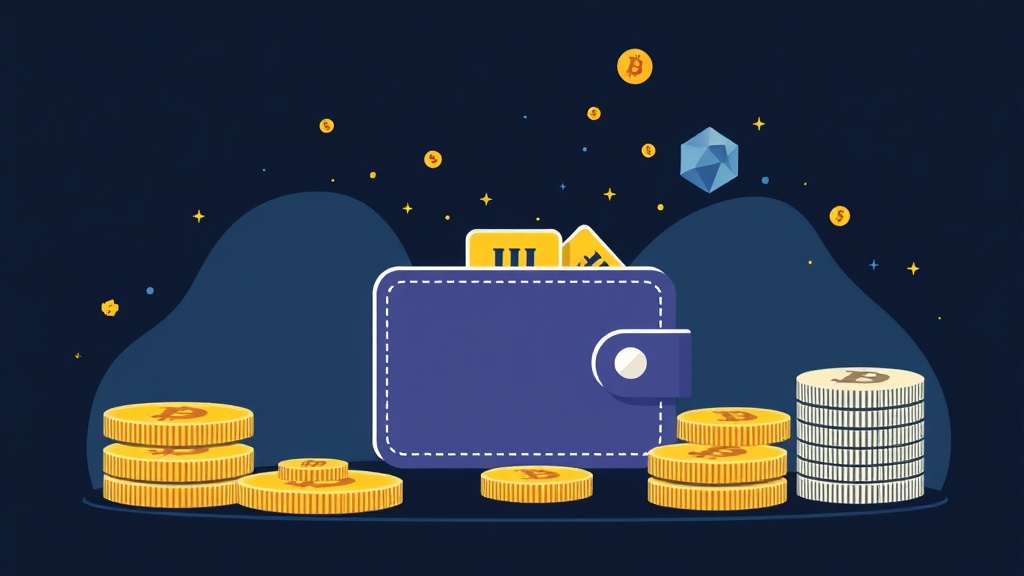
Why Cold Wallet Payouts Are Essential for Crypto Security
In the fast-evolving world of cryptocurrency, security remains a top priority for investors and traders alike. One of the most effective ways to protect your digital assets is by using a cold wallet—a hardware device that stores your cryptocurrencies offline, away from the prying eyes of hackers and cybercriminals. But what happens when you need to access or transfer your funds? This is where cold wallet payouts come into play.
A cold wallet payout refers to the process of transferring cryptocurrency from a cold wallet to an exchange, another wallet, or a bank account. Unlike hot wallets (which are connected to the internet), cold wallets provide an extra layer of security, making them ideal for long-term storage. However, executing a payout requires careful planning to avoid common pitfalls such as transaction errors or security breaches.
In this guide, we’ll explore everything you need to know about cold wallet payouts—from setting up your wallet to executing secure transactions. Whether you're a seasoned crypto enthusiast or a beginner, understanding this process will help you safeguard your investments while maintaining full control over your assets.
How Cold Wallet Payouts Work: A Step-by-Step Breakdown
Executing a cold wallet payout involves several key steps, each designed to ensure the security and accuracy of your transaction. Here’s a simplified breakdown of the process:
Step 1: Choose the Right Cold Wallet
Not all cold wallets are created equal. Popular options include Ledger Nano S, Trezor, and KeepKey. When selecting a cold wallet, consider factors such as:
- Supported cryptocurrencies: Ensure the wallet supports the coins you plan to store and transfer.
- Security features: Look for wallets with PIN protection, two-factor authentication (2FA), and recovery seed phrases.
- User interface: A user-friendly interface can make the payout process smoother, especially for beginners.
- Reputation: Opt for wallets with a strong track record and positive user reviews.
Step 2: Set Up Your Cold Wallet
Once you’ve chosen your cold wallet, follow the manufacturer’s instructions to set it up. This typically involves:
- Creating a secure PIN or passphrase.
- Writing down your recovery seed phrase and storing it in a safe, offline location.
- Connecting the wallet to your computer or mobile device (if required) via USB or Bluetooth.
- Installing any necessary software or firmware updates to ensure compatibility and security.
Remember, your recovery seed phrase is the key to accessing your funds if your wallet is lost or damaged. Never share it with anyone, and avoid storing it digitally or online.
Step 3: Initiate the Payout Transaction
To transfer funds from your cold wallet, you’ll need to connect it to a device with internet access (e.g., your computer) and use the wallet’s software interface. Here’s how to do it:
- Open your wallet software: Launch the application provided by your cold wallet manufacturer (e.g., Ledger Live for Ledger wallets).
- Connect your wallet: Plug your cold wallet into your device using the provided cable. Some wallets may require Bluetooth pairing.
- Enter your PIN: Unlock your wallet by entering your secure PIN or passphrase.
- Select the cryptocurrency: Choose the specific cryptocurrency you wish to transfer (e.g., Bitcoin, Ethereum).
- Enter the recipient address: Carefully input the destination wallet address or exchange account where you want to send the funds. Double-check the address to avoid errors.
- Set the transaction fee: Adjust the transaction fee based on network congestion and your desired speed. Higher fees typically result in faster confirmations.
- Confirm the transaction: Review all details, including the amount, recipient address, and fee. Once satisfied, confirm the transaction to initiate the transfer.
Step 4: Verify the Transaction
After initiating the payout, monitor the transaction on a blockchain explorer (e.g., Blockchain.com for Bitcoin or Etherscan for Ethereum). This allows you to track the progress of your transfer in real-time. Look for the following:
- Transaction ID (TXID): A unique identifier for your transaction.
- Confirmations: The number of network confirmations, which indicates the transaction’s security and finality.
- Status: Whether the transaction is pending, confirmed, or failed.
If the transaction fails or the funds don’t arrive, check for errors such as incorrect addresses or insufficient fees. Most issues can be resolved by double-checking the details and resubmitting the transaction.
Common Mistakes to Avoid During Cold Wallet Payouts
While cold wallet payouts are secure, they’re not without risks. Avoid these common mistakes to ensure a smooth and error-free transaction:
1. Sending to the Wrong Address
Mistake: Entering an incorrect wallet address can result in lost funds. Cryptocurrency transactions are irreversible, so there’s no way to recover funds sent to the wrong address.
Solution: Always double-check the recipient address before confirming the transaction. Use the copy-and-paste function to avoid typos, and verify the first and last few characters of the address match the intended destination.
2. Ignoring Transaction Fees
Mistake: Setting a transaction fee that’s too low can cause delays or failed transactions, especially during periods of high network congestion.
Solution: Research current network fees using tools like BitcoinFees.earn.com or Ethereum Gas Tracker. Adjust your fee accordingly to balance cost and speed.
3. Skipping Security Checks
Mistake: Failing to verify your wallet’s firmware or software can expose you to vulnerabilities or compatibility issues.
Solution: Regularly update your cold wallet’s firmware and software to patch security holes and improve functionality. Enable all available security features, such as PIN protection and 2FA.
4. Sharing Sensitive Information
Mistake: Disclosing your recovery seed phrase, private keys, or PIN to anyone—even if they claim to be support staff—can lead to theft.
Solution: Treat your recovery seed phrase like cash. Store it offline in a secure location, such as a safe or safety deposit box. Never enter it into any online form or share it via email, chat, or phone.
5. Rushing the Process
Mistake: Making hasty decisions during a payout can result in costly errors. Always take your time to review every detail.
Solution: Pause and double-check each step before confirming. If you’re unsure about any part of the process, consult the wallet’s official documentation or support channels.
Best Practices for Secure and Efficient Cold Wallet Payouts
To maximize security and efficiency when executing cold wallet payouts, follow these best practices:
Before the Payout
- Test with a small amount: Before transferring a large sum, send a small test transaction to verify the process works correctly.
- Update your wallet: Ensure your cold wallet’s firmware and software are up to date to avoid compatibility issues.
- Check network conditions: Monitor the blockchain network for congestion or high fees. Consider waiting for a less busy period if fees are exorbitant.
- Use a dedicated device: If possible, use a separate, clean device (e.g., a dedicated laptop) for transactions to minimize exposure to malware.
During the Payout
- Verify the address: Always triple-check the recipient address using the copy-and-paste function. Some wallets allow you to scan a QR code for added convenience and accuracy.
- Set a reasonable fee: Balance cost and speed by setting a fee that aligns with your needs. Avoid setting fees too low, as this can delay or fail your transaction.
- Enable transaction confirmation: Some wallets allow you to set a minimum number of confirmations before considering the transaction complete. This adds an extra layer of security.
- Keep your device secure: Ensure your computer or mobile device is free from malware or keyloggers. Use antivirus software and avoid public Wi-Fi networks.
After the Payout
- Monitor the transaction: Use a blockchain explorer to track the progress of your transaction. Confirm that it has been successfully processed and the funds have arrived.
- Store transaction records: Keep a record of your transaction details, including the TXID, amount, and timestamp. This can be useful for tax purposes or future reference.
- Secure your wallet: After completing the payout, disconnect your cold wallet and store it safely. Avoid leaving it connected to your device for extended periods.
- Review security settings: Periodically review your wallet’s security settings and update your PIN or passphrase if necessary.
Cold Wallet Payouts vs. Hot Wallet Transfers: Which Is Right for You?
When it comes to managing cryptocurrency, you have two primary storage options: cold wallets and hot wallets. Each has its pros and cons, especially when it comes to payouts. Here’s a comparison to help you decide which method aligns with your needs:
Cold Wallet Payouts
Pros:
- Enhanced security: Cold wallets are offline, making them nearly impervious to online hacking attempts.
- Long-term storage: Ideal for holding large amounts of cryptocurrency for extended periods.
- Control over private keys: You retain full control over your private keys, reducing reliance on third parties.
Cons:
- Slower transactions: Payouts require connecting the wallet to a device, which can be time-consuming.
- Less convenient: Not suitable for frequent trading or quick transfers.
- Risk of physical loss: If you lose your cold wallet or recovery seed phrase, you may lose access to your funds permanently.
Hot Wallet Transfers
Pros:
- Quick and convenient: Hot wallets are connected to the internet, allowing for instant transfers and trading.
- User-friendly: Often come with intuitive interfaces and built-in exchange features.
- Accessibility: Can be accessed from any device with an internet connection.
Cons:
- Higher risk of hacking: Hot wallets are connected to the internet, making them vulnerable to cyberattacks and phishing scams.
- Less control: Some hot wallets (e.g., exchange wallets) may not give you full control over your private keys.
- Limited storage: Not ideal for holding large amounts of cryptocurrency long-term.
Which is right for you? If you prioritize security and long-term storage, a cold wallet payout is the way to go. However, if you need quick access to your funds for trading or daily transactions, a hot wallet may be more suitable. For the best of both worlds, consider using a combination of cold and hot wallets to balance security and convenience.
Conclusion: Mastering Cold Wallet Payouts for Maximum Security
Cold wallet payouts are a critical component of cryptocurrency security, offering a safe and reliable way to transfer your digital assets while minimizing exposure to online threats. By following the steps and best practices outlined in this guide, you can execute payouts with confidence, knowing your funds are protected every step of the way.
Remember, the key to successful cold wallet management lies in preparation, attention to detail, and a commitment to security. Always double-check addresses, update your wallet regularly, and store your recovery seed phrase securely. With these precautions in place, you’ll be well on your way to mastering cold wallet payouts and safeguarding your cryptocurrency investments for the long term.
As the cryptocurrency landscape continues to evolve, staying informed and proactive about security will ensure you remain one step ahead of potential risks. Whether you're a seasoned investor or just starting out, prioritizing the safety of your assets is the best investment you can make.
Related articles

How to Connect Mixer Output to Exchange for Secure Crypto Transactions
Secure Your Crypto: How to Withdraw to a Hardware Wallet
Mastering Self-Custody Mixing for Enhanced Crypto Privacy
Top Financial Privacy Tools to Protect Your Crypto Transactions
Privacy-First Coin Mixers: Secure Your Crypto Transactions
Looking for a privacy tool?
Browse every mixer, exchanger and Telegram bot in one place.