Node Relay Analysis: Boosting Cryptocurrency Privacy and Security
Understanding Node Relay Analysis in Cryptocurrency
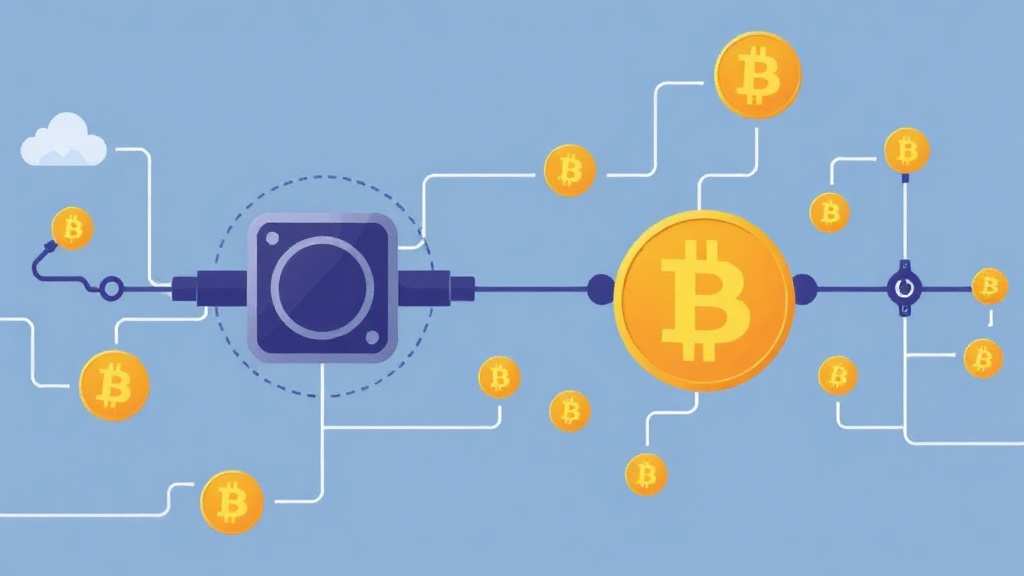
Node relay analysis is a critical concept in the world of cryptocurrency, particularly for those who prioritize privacy and security. At its core, node relay analysis involves examining how transactions are propagated and validated across a blockchain network. This process helps identify potential vulnerabilities, inefficiencies, or malicious activities that could compromise the integrity of transactions.
In a decentralized network like Bitcoin or Ethereum, nodes act as intermediaries that relay transaction data. By analyzing how these nodes handle and transmit information, users and developers can gain insights into the network's health and security. This analysis is especially important for privacy-focused cryptocurrencies, where transaction obfuscation and anonymity are paramount.
Understanding node relay analysis allows users to make informed decisions about which nodes to trust, how to optimize their own node operations, and how to enhance their overall privacy when transacting on-chain.
The Role of Nodes in Cryptocurrency Networks
Nodes are the backbone of any blockchain network. They store a complete copy of the blockchain, validate transactions, and relay information to other nodes. There are several types of nodes, each serving a unique purpose:
- Full Nodes: These nodes store the entire blockchain and validate transactions and blocks. They are crucial for maintaining network consensus and security.
- Light Nodes: These nodes rely on full nodes for transaction validation and only store a portion of the blockchain. They are less resource-intensive but offer limited privacy benefits.
- Mining Nodes: These nodes participate in the proof-of-work (PoW) or proof-of-stake (PoS) consensus mechanism to add new blocks to the blockchain.
- Relay Nodes: These nodes specialize in transmitting transaction data between other nodes. They play a key role in the propagation of transactions across the network.
Node relay analysis focuses on the behavior of relay nodes, as they are responsible for the efficient and secure transmission of transaction data. By monitoring these nodes, users can detect anomalies, such as delayed or censored transactions, which could indicate malicious activity.
Why Node Relay Analysis Matters for Privacy
Privacy is a major concern for cryptocurrency users, especially those transacting with Bitcoin or other pseudonymous cryptocurrencies. Node relay analysis can help users enhance their privacy by:
- Identifying Spy Nodes: Some nodes may be operated by malicious actors looking to deanonymize users by tracking transaction flows. Analyzing relay behavior can help identify and avoid these nodes.
- Optimizing Transaction Propagation: By choosing nodes with efficient relay mechanisms, users can ensure their transactions are confirmed faster and with lower fees.
- Detecting Censorship: Some nodes may intentionally delay or block certain transactions. Node relay analysis can reveal such censorship attempts, allowing users to switch to more reliable nodes.
- Enhancing Anonymity: Privacy-focused cryptocurrencies like Monero or Zcash rely on obfuscated transaction data. Node relay analysis helps ensure that these obfuscation techniques are not compromised during transmission.
For users who prioritize privacy, running a personal node with controlled relay settings can provide an additional layer of security. This way, they can avoid relying on potentially untrustworthy third-party nodes.
Tools and Techniques for Node Relay Analysis
Several tools and techniques can help users and developers analyze node relay behavior. These include:
- Network Monitoring Tools: Tools like Bitnodes or Ethernodes allow users to monitor the health and connectivity of nodes in real-time. These tools provide data on node uptime, latency, and transaction propagation speeds.
- Transaction Tracing: Services like Blockchain.com Explorer or Etherscan allow users to trace the path of a transaction through the network. This can help identify if a transaction was delayed or censored by certain nodes.
- Node Fingerprinting: Techniques like fingerprinting can help identify specific nodes based on their relay patterns. This can be useful for detecting nodes operated by the same entity or malicious actors.
- Privacy-Focused Node Lists: Projects like Bitcoin Core's Tor integration or Monero's Kovri provide lists of privacy-friendly nodes that users can connect to for enhanced anonymity.
For developers, writing custom scripts to analyze node relay behavior can provide deeper insights. For example, using Python libraries like python-bitcoinlib or web3.py can automate the process of monitoring and analyzing node activity.
Practical Tips for Improving Privacy with Node Relay Analysis
- Choose Reputable Nodes: Always connect to nodes with a proven track record of reliability and privacy. Avoid nodes with high latency or suspicious behavior.
- Use Tor or VPNs: Routing your node traffic through Tor or a VPN can help obfuscate your IP address and prevent nodes from tracking your location.
- Run Your Own Node: Operating your own full node gives you full control over transaction relay and validation. This reduces reliance on third-party nodes and enhances privacy.
- Monitor Transaction Propagation: Use tools like Blockstream.info to track how quickly your transactions are propagated across the network. If a transaction is delayed, it may indicate censorship.
- Update Node Software Regularly: Ensure your node software is up-to-date to benefit from the latest privacy and security improvements.
- Use CoinJoin or Mixers: For added privacy, consider using services like Wasabi Wallet or Samourai Wallet to mix your transactions with others, making them harder to trace.
Conclusion: Empowering Users Through Node Relay Analysis
Node relay analysis is a powerful tool for enhancing privacy and security in cryptocurrency transactions. By understanding how nodes relay transaction data, users can make informed decisions about which nodes to trust, how to optimize their own node operations, and how to protect their anonymity. Whether you're a casual user or a privacy advocate, incorporating node relay analysis into your cryptocurrency practices can provide significant benefits.
As blockchain networks continue to evolve, so too will the techniques for analyzing and improving node relay behavior. Staying informed about these developments and leveraging the right tools will ensure that you remain in control of your financial privacy in the decentralized world.
Start by experimenting with node monitoring tools, running your own node, and exploring privacy-focused services. With the right approach, you can take your cryptocurrency privacy to the next level.
Related articles


Network Layer Deanonymization: Risks and Privacy Protection for Crypto Users

How Transaction Deanonymization Works in Cryptocurrency Privacy

Combinatorial Mixer Analysis: Enhancing Crypto Privacy with Advanced Techniques

How Sudoku Attack Threatens CoinJoin Privacy in Crypto Transactions

Understanding Address Clustering in Cryptocurrency Transactions
Looking for a privacy tool?
Browse every mixer, exchanger and Telegram bot in one place.