OFAC Address List Screening: Essential Compliance for Crypto Privacy
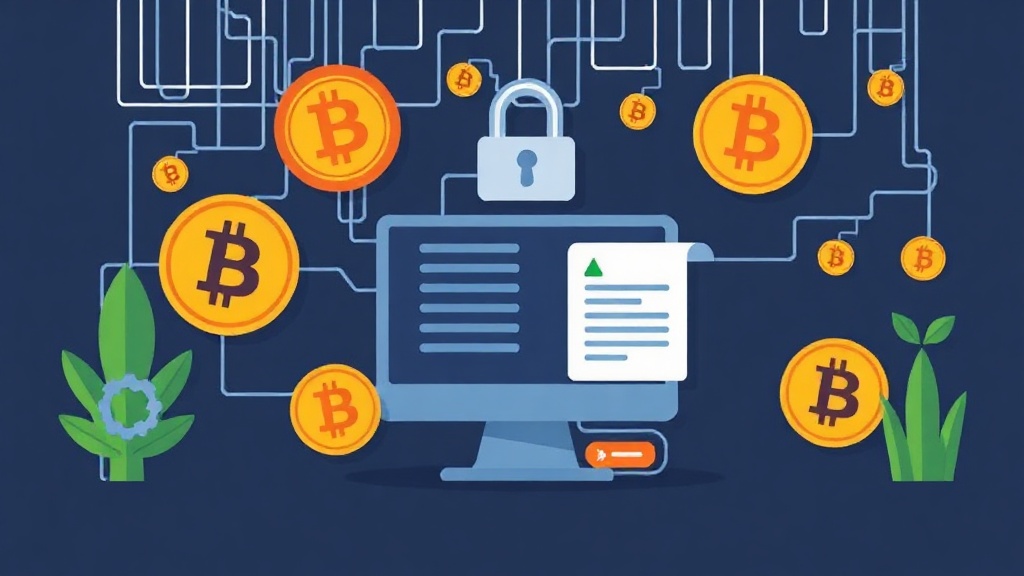
What Is OFAC Address List Screening and Why Does It Matter?
OFAC (Office of Foreign Assets Control) address list screening is a critical compliance process for businesses and individuals in the cryptocurrency space. It involves checking blockchain addresses against the Specially Designated Nationals (SDN) list and other OFAC sanctions lists to prevent transactions with prohibited entities. Failure to screen can result in severe penalties, including fines up to millions of dollars.
For privacy-focused crypto users, understanding OFAC screening is essential—not just for compliance, but to maintain the integrity of decentralized finance (DeFi) and peer-to-peer transactions. While privacy is a core value in crypto, regulators demand transparency to combat illicit activities like money laundering and terrorism financing.
How OFAC Address Screening Works in Cryptocurrency
OFAC address screening operates by cross-referencing blockchain addresses with its sanctions lists. These lists include:
- SDN List: Individuals, companies, and entities owned or controlled by targeted countries.
- Sectoral Sanctions Identifications (SSI): Entities in sectors like finance or energy from sanctioned countries.
- Foreign Sanctions Evaders (FSE): Parties attempting to evade sanctions.
- Palestinian Legislative Council (PLC) List: Individuals linked to certain political entities.
When a transaction is initiated, screening tools analyze the sender’s and recipient’s wallet addresses. If a match is found, the transaction is flagged or blocked. This process is automated in most exchanges and compliance platforms, but manual checks may still be required in decentralized environments.
Why Privacy Advocates Should Care About OFAC Compliance
Privacy in cryptocurrency is about control—over your financial data and transaction history. However, OFAC screening introduces a layer of regulatory oversight that can feel at odds with decentralization. Here’s why it matters even for privacy-conscious users:
- Legal Risk: Unscreened transactions may expose you or your service to fines, even if unintentional.
- Exchange Restrictions: Most major exchanges (e.g., Coinbase, Binance) enforce OFAC screening. If your address is flagged, you may lose access to services.
- Decentralized Finance (DeFi): While DeFi platforms are less regulated, some now integrate OFAC screening to comply with U.S. laws.
- Reputation: Using flagged addresses can lead to blacklisting by other users or services.
Balancing privacy with compliance is possible. Tools like mixers, privacy coins, and self-custody wallets can help, but they don’t exempt you from regulatory scrutiny. Understanding OFAC rules ensures you stay ahead of potential issues.
Best Practices for OFAC Address List Screening in Crypto
Whether you're a trader, developer, or privacy advocate, following these steps can help you navigate OFAC compliance effectively:
- Use Automated Screening Tools:
- Platforms like Chainalysis, Elliptic, or TRM Labs offer real-time OFAC screening.
- Integrate APIs into your wallet or exchange for seamless checks.
- Screen Before Every Transaction:
- Even small transactions can trigger sanctions violations.
- Check both sender and recipient addresses.
- Stay Updated on OFAC Lists:
- OFAC updates its lists frequently. Subscribe to alerts or use tools that auto-update.
- Pay attention to new additions, especially in geopolitically sensitive regions.
- Educate Your Team or Community:
- If you run a crypto project, ensure your team understands OFAC risks.
- For privacy advocates, share knowledge about compliance without compromising decentralization.
- Use Privacy Tools Wisely:
- Privacy coins (e.g., Monero, Zcash) and mixers (e.g., Tornado Cash) can obscure transaction trails.
- However, exchanges may still screen deposits or withdrawals from these services.
OFAC Screening in Decentralized and Peer-to-Peer Transactions
Decentralized exchanges (DEXs) and peer-to-peer (P2P) platforms present unique challenges for OFAC screening. Unlike centralized exchanges, DEXs don’t typically perform compliance checks. This creates a regulatory gray area:
- No Built-in Screening: Most DEXs (e.g., Uniswap, PancakeSwap) don’t block transactions based on OFAC lists.
- Wallet-Level Compliance: Some privacy-focused wallets (e.g., Wasabi Wallet) offer OFAC screening features to alert users before transactions.
- Regulatory Crackdowns: Authorities are increasingly targeting P2P platforms and mixers. For example, the U.S. sanctioned Tornado Cash in 2022, citing its use in laundering illicit funds.
For privacy advocates, this means:
- Be cautious when using mixers or privacy tools—regulators are watching.
- Consider using compliance-friendly privacy solutions, such as CoinJoin transactions in Bitcoin wallets.
- Stay informed about legal developments, as regulations around DeFi and P2P transactions are evolving.
Conclusion: Balancing Privacy and Compliance in Crypto
OFAC address list screening is a necessary evil in the cryptocurrency world. While it may feel restrictive to privacy advocates, compliance is non-negotiable for businesses and increasingly for individuals. The key is to integrate screening into your workflow without sacrificing the core values of decentralization and financial sovereignty.
By using automated tools, staying updated on regulations, and choosing privacy solutions wisely, you can navigate OFAC requirements while maintaining control over your financial privacy. Remember: the goal isn’t to avoid compliance but to do so intelligently and proactively.
As crypto continues to evolve, so will regulatory scrutiny. Staying ahead of OFAC screening practices ensures you’re prepared for the future—whether you’re a trader, developer, or privacy-focused user.
Related articles
Darknet Market Attribution: How Investigators Track Anonymous Transactions
How to Trace Ransomware Payments in Cryptocurrency: A Complete Guide
How to Trace Stolen Crypto: A Step-by-Step Guide for Investors
Uncovering Hidden Money: A Guide to Illicit Fund Tracing in Crypto
Tracing the Source of Funds: A Guide for Crypto Privacy Seekers
Looking for a privacy tool?
Browse every mixer, exchanger and Telegram bot in one place.