Sanctioned Address Screening: Protect Your Crypto Privacy Today
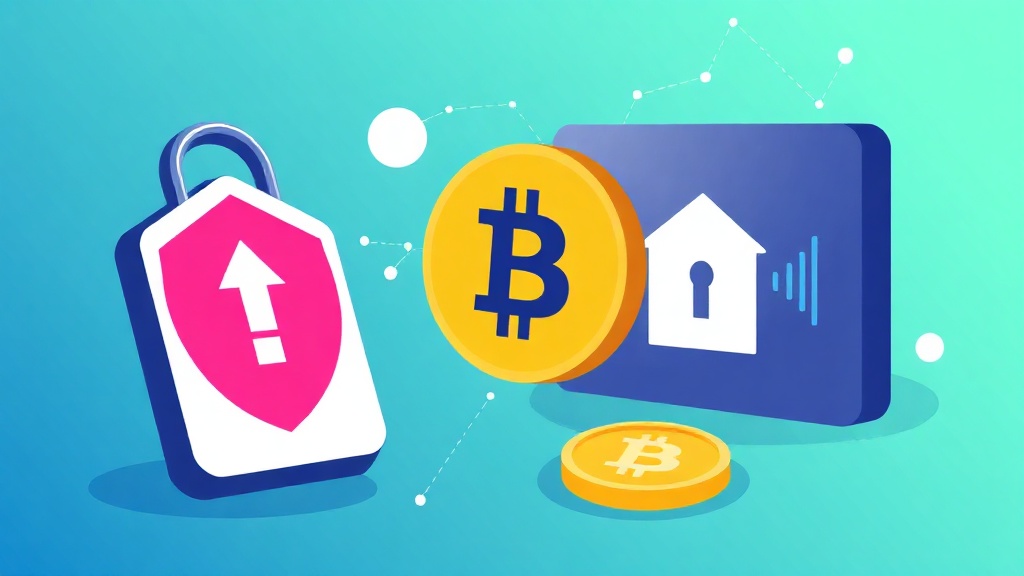
What Is Sanctioned Address Screening and Why Does It Matter?
Sanctioned address screening is the process of checking cryptocurrency wallet addresses against global sanctions lists to prevent transactions with entities or individuals flagged by regulatory authorities. This practice is crucial for maintaining compliance and avoiding legal risks, especially in the fast-evolving world of digital finance.
With governments worldwide tightening regulations on crypto transactions, sanctioned address screening helps exchanges, businesses, and individuals identify high-risk addresses before processing payments. Failure to comply can result in severe penalties, frozen assets, or reputational damage.
For privacy-focused crypto users, understanding sanctioned address screening is essential—not just for compliance, but also to safeguard your financial activities from unnecessary exposure.
How Sanctioned Address Screening Works in Practice
Sanctioned address screening relies on specialized software that cross-references wallet addresses with databases maintained by agencies like the Office of Foreign Assets Control (OFAC) in the U.S., the European Union’s sanctions lists, or other regional authorities.
The process typically involves:
- Real-time scanning: Addresses are checked instantly during transactions to flag any matches with sanctioned entities.
- Batch processing: For businesses, large volumes of addresses can be screened simultaneously to ensure ongoing compliance.
- Risk scoring: Some tools assign risk levels based on address history, transaction patterns, and known associations with sanctioned parties.
- Alert systems: Automated notifications warn users or platforms when a high-risk address is detected.
Advanced screening tools integrate with blockchain explorers and compliance APIs to provide up-to-date information, ensuring accuracy and reducing false positives.
Why Privacy Advocates Should Care About Sanctioned Address Screening
While sanctioned address screening is primarily a compliance tool, it also intersects with privacy concerns in the crypto space. Here’s why it matters for privacy-conscious users:
- Prevents accidental exposure: Interacting with a sanctioned address could link your wallet to illicit activity, even unintentionally. Screening helps you avoid such risks.
- Protects anonymity: By filtering out high-risk addresses, you reduce the chances of your transactions being flagged or monitored by authorities.
- Enhances wallet security: Some screening tools also check for known scam or phishing addresses, adding an extra layer of protection.
- Supports decentralized compliance: Privacy-focused users can still comply with regulations without sacrificing anonymity by using non-custodial screening tools.
For those who prioritize financial privacy, sanctioned address screening isn’t about surrendering to surveillance—it’s about making informed, secure decisions in a regulated environment.
Top Tools and Methods for Effective Sanctioned Address Screening
If you’re looking to implement sanctioned address screening—whether for personal use or a crypto business—here are some of the best tools and methods available:
1. Compliance-Focused Screening Platforms
- Chainalysis KYT (Know Your Transaction): A leading tool for real-time transaction monitoring, widely used by exchanges and financial institutions.
- Elliptic: Offers blockchain analytics and risk assessment, including sanctions screening and crypto crime detection.
- TRM Labs: Provides compliance solutions with a focus on sanctions, fraud, and money laundering prevention.
2. Open-Source and Privacy-Friendly Options
- Blockchain Compliance APIs: Services like Crystal Blockchain or Bitfury’s Exonum offer transparent, auditable screening without compromising user data.
- Local Sanctions Databases: Some privacy advocates maintain their own curated lists of sanctioned addresses, which can be cross-checked manually or via scripts.
3. Self-Hosted Solutions for Maximum Control
For tech-savvy users, running a self-hosted sanctions screening tool like OSS Sanctum or Sanction Scanner allows full control over data and compliance processes.
4. Wallet Integrations and Browser Extensions
Some privacy-focused wallets, like Wasabi Wallet or Samourai Wallet, include basic sanctions screening features to alert users before sending funds.
Practical Tips for Implementing Sanctioned Address Screening
Whether you're an individual user or running a crypto business, follow these best practices to stay compliant and secure:
- Use reputable screening tools: Avoid untested or obscure services—stick to well-reviewed platforms with transparent methodologies.
- Regularly update your sanctions lists: Sanctions change frequently; ensure your screening tool pulls the latest data automatically.
- Combine automated and manual checks: For high-value transactions, consider a second layer of verification to reduce false positives.
- Educate your team or users: If you’re running a crypto service, train staff on how to interpret screening alerts and handle false flags.
- Monitor transaction patterns: Repeated interactions with flagged addresses—even if not directly sanctioned—can trigger scrutiny.
- Use privacy-preserving tools: Opt for screening solutions that don’t log or store your personal transaction data.
By combining these strategies, you can maintain compliance without sacrificing the privacy principles that drew you to cryptocurrency in the first place.
Conclusion: Balancing Compliance and Privacy in Crypto
Sanctioned address screening is no longer optional—it’s a necessary part of responsible crypto usage. While it may seem at odds with privacy goals, the right approach allows you to stay compliant without compromising anonymity or security.
For privacy advocates, the key is to use screening tools that prioritize transparency, data minimization, and user control. By staying informed and leveraging the best available tools, you can navigate the complex regulatory landscape while protecting your financial freedom.
As crypto regulations evolve, sanctioned address screening will only become more critical. Whether you’re a solo investor or a business owner, taking proactive steps today ensures you’re prepared for tomorrow’s challenges.
Related articles
How to Trace Ransomware Payments in Cryptocurrency: A Complete Guide
How to Trace Stolen Crypto: A Step-by-Step Guide for Investors

Uncovering Hidden Money: A Guide to Illicit Fund Tracing in Crypto
Tracing the Source of Funds: A Guide for Crypto Privacy Seekers
How to Trace Transaction Flows for Enhanced Crypto Privacy
Looking for a privacy tool?
Browse every mixer, exchanger and Telegram bot in one place.