Protect Your Crypto Privacy: Never Link Your Identity at the ATM
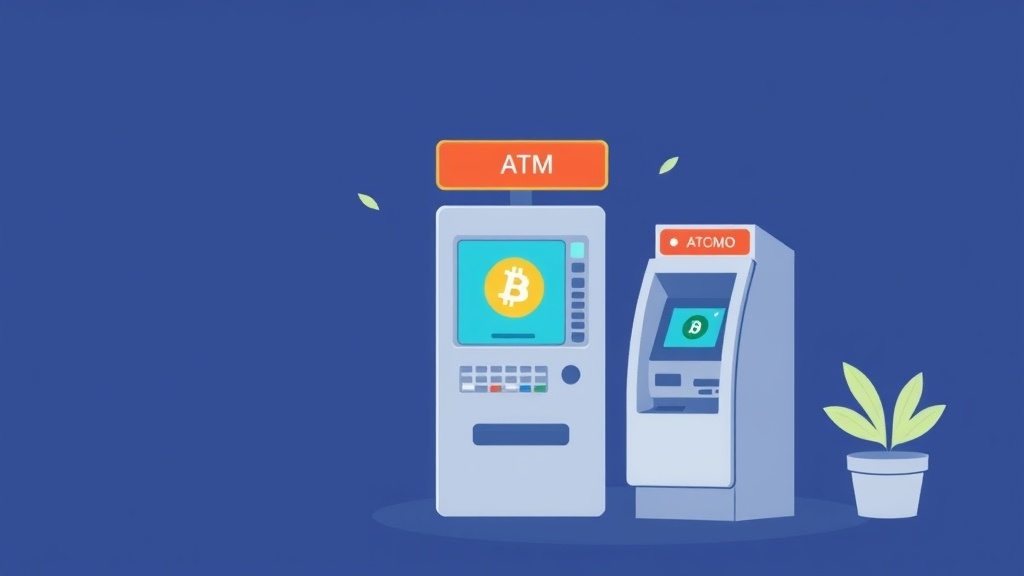
Why ATM Transactions Can Compromise Your Cryptocurrency Privacy
When you link your identity to an ATM transaction, you create a direct connection between your personal information and your financial activities. This is especially risky for cryptocurrency users who value anonymity and decentralization. ATMs often require identification, such as a government-issued ID or phone number verification, which can be stored, shared, or even leaked in data breaches. Once your identity is tied to an ATM transaction, it becomes easier for third parties—including governments, hackers, or corporations—to track your spending habits, crypto holdings, and even your physical location.
For cryptocurrency enthusiasts, privacy isn’t just a preference; it’s a necessity. Blockchain transactions are pseudonymous by design, but linking them to real-world identities defeats this purpose. If you use an ATM to withdraw cash for crypto purchases, you’re inadvertently creating a paper trail that could be exploited. Even if the ATM doesn’t store your data, surveillance cameras or receipts can still capture your activity. Always assume that any ATM transaction can be traced back to you unless you take explicit steps to avoid it.
Common Risks of Linking Your Identity at ATMs
Using an ATM without considering privacy can expose you to several risks, particularly in the context of cryptocurrency. Here are the most significant threats:
- Data Breaches: ATMs and the networks they operate on are frequent targets for cybercriminals. If your identity is linked to an ATM transaction, your personal data could end up in the hands of hackers, leading to identity theft or financial fraud.
- Government Surveillance: In many countries, financial institutions are required to report transactions above a certain threshold to authorities. If you’re using an ATM to fund crypto purchases, these transactions could be flagged, leading to unwanted scrutiny or even frozen funds.
- Corporate Tracking: Companies that operate ATMs may sell or share your transaction data with third-party advertisers or analytics firms. This means your spending habits could be used to target you with ads or, worse, sold to the highest bidder.
- Physical Security Risks: If someone knows you’re transacting at an ATM, they could follow you or target you for theft. This is especially dangerous if you’re carrying large amounts of cash for crypto purchases.
For cryptocurrency users, the stakes are even higher. If your identity is linked to a crypto transaction, it becomes easier for blockchain analysis firms to trace your holdings back to you. This could expose you to risks like targeted phishing attacks, extortion, or even legal repercussions in jurisdictions with strict crypto regulations.
How to Use ATMs Without Linking Your Identity
If you must use an ATM for cash withdrawals—whether to purchase crypto or for other reasons—there are ways to minimize the risk of linking your identity. Here’s a step-by-step guide to staying anonymous:
- Use Cash: Always carry cash when using an ATM to avoid linking your bank account or debit card to the transaction. Cash is untraceable, making it the best option for privacy-conscious users.
- Avoid ATMs with ID Requirements: Some ATMs require you to scan your ID or enter your phone number before processing a transaction. Never use these ATMs. Stick to machines that only require a PIN or card, as these are less likely to store your identity.
- Wear a Mask or Disguise: If you’re concerned about surveillance cameras, consider wearing a hat, sunglasses, or a mask to obscure your face. While this won’t prevent all tracking, it adds an extra layer of anonymity.
- Use a Burner Phone or Prepaid SIM: If the ATM requires phone verification, use a burner phone or a prepaid SIM card that isn’t linked to your identity. This prevents the ATM operator from associating your transaction with your real phone number.
- Choose ATMs in Low-Traffic Areas: ATMs in busy locations, like shopping malls or banks, are more likely to have surveillance cameras. Opt for machines in quieter areas, such as gas stations or convenience stores, where cameras may be less prevalent or lower quality.
- Destroy Receipts Immediately: If the ATM provides a receipt, do not keep it. Shred or tear it up immediately to prevent anyone from linking your transaction to your identity.
By following these steps, you can significantly reduce the risk of linking your identity to an ATM transaction. However, the safest approach is to avoid ATMs altogether when dealing with cryptocurrency. Instead, consider using decentralized exchanges (DEXs) or peer-to-peer (P2P) platforms that allow you to purchase crypto without ever touching cash.
Alternatives to ATMs for Private Crypto Purchases
If you’re serious about protecting your cryptocurrency privacy, ATMs should be a last resort. Fortunately, there are several alternatives that allow you to purchase crypto without linking your identity to a physical transaction. Here are the best options:
- Decentralized Exchanges (DEXs): Platforms like Uniswap or PancakeSwap allow you to trade cryptocurrencies directly from your wallet without the need for KYC (Know Your Customer) verification. You can fund your wallet using privacy coins like Monero (XMR) or by exchanging cash for crypto through other private methods.
- Peer-to-Peer (P2P) Platforms: Websites like LocalBitcoins, Bisq, or HodlHodl connect buyers and sellers directly, often without requiring ID verification. You can arrange to meet in person to exchange cash for crypto, though this carries its own risks (e.g., meeting strangers). For added privacy, use a privacy coin or a non-custodial wallet.
- Privacy Coins: If you need to convert fiat to crypto privately, consider using privacy coins like Monero (XMR) or Zcash (ZEC). These coins are designed to obscure transaction details, making it harder for third parties to trace your activities. You can purchase privacy coins on DEXs or through P2P platforms without linking your identity.
- Cash Deposits at Crypto-Friendly Banks: Some banks and financial institutions allow you to deposit cash directly into your crypto wallet or exchange account without linking your identity. Research banks in your area that support anonymous cash deposits, and always use a non-custodial wallet to maintain control over your funds.
- Gift Cards and Vouchers: Some platforms allow you to purchase crypto using gift cards or vouchers, which can be bought anonymously with cash. While this method is less common, it’s a viable option for those who want to avoid ATMs and ID verification entirely.
By using these alternatives, you can purchase cryptocurrency without ever risking the exposure of your identity at an ATM. The key is to prioritize privacy at every step of the process, from funding your wallet to making transactions on the blockchain.
Final Thoughts: Prioritize Privacy in Every Crypto Transaction
Cryptocurrency offers unparalleled financial freedom, but that freedom comes with responsibility. If you’re using ATMs to fund your crypto purchases, you’re taking a significant risk by linking your identity to your financial activities. Every time you use an ATM, you’re creating a digital footprint that could be exploited by governments, hackers, or corporations. The good news is that there are plenty of alternatives that allow you to purchase crypto privately and securely.
Start by minimizing your use of ATMs altogether. If you must use one, follow the privacy tips outlined in this article to reduce the risk of exposure. Better yet, explore decentralized exchanges, peer-to-peer platforms, and privacy coins to keep your transactions confidential. Remember: in the world of cryptocurrency, anonymity is your greatest asset. Protect it at all costs.
By taking these steps, you’ll not only safeguard your privacy but also align with the core principles of decentralization and financial sovereignty that make cryptocurrency so powerful. Stay safe, stay private, and keep transacting with confidence.
Related articles

Funding a Wallet Without a Trail: A Privacy-Focused Crypto Guide
Derive a New Account for Each Counterparty: Boost Crypto Privacy
Rotate Xpubs Between Accounts for Enhanced Crypto Privacy
Never Share Your Extended Public Key: Protect Your Crypto Privacy

How to Spend Crypto Without Revealing Your Xpub
Looking for a privacy tool?
Browse every mixer, exchanger and Telegram bot in one place.