Top Up Privately for Daily Spending: Secure Crypto Strategies

Why Privacy Matters in Daily Crypto Transactions
In an era where digital transactions are increasingly tracked, maintaining privacy in your daily spending is more important than ever. Cryptocurrencies like Bitcoin and Monero offer decentralized alternatives to traditional banking, but they also come with privacy trade-offs. If you value financial anonymity, learning how to top up privately for daily expenses is essential. Whether you're using crypto for groceries, bills, or small purchases, keeping your transactions discreet protects you from surveillance, data harvesting, and potential security risks.
Privacy isn’t just about hiding your spending habits—it’s about safeguarding your identity. When you transact publicly on a blockchain, your wallet address, transaction amounts, and even your spending patterns can be analyzed. By adopting privacy-focused strategies, you reduce exposure and take control of your financial footprint.
Choose Privacy-Focused Cryptocurrencies
Not all cryptocurrencies are created equal when it comes to privacy. While Bitcoin (BTC) and Ethereum (ETH) are transparent by design, others are built specifically to obscure transaction details. Here are the top privacy coins and tokens ideal for daily spending:
- Monero (XMR) – The gold standard for privacy. Monero uses ring signatures, stealth addresses, and confidential transactions to make transactions untraceable and unlinkable.
- Zcash (ZEC) – Offers optional privacy via zk-SNARKs. You can choose between transparent (public) and shielded (private) transactions.
- Dash (DASH) – Includes a “PrivateSend” feature that mixes transactions to obscure their origin.
- Litecoin (LTC) with Mimblewimble – Litecoin’s Mimblewimble extension block enhances fungibility and privacy for transactions.
For maximum privacy, Monero is the best choice due to its default privacy settings. However, acceptance of privacy coins varies by merchant, so always check before topping up.
Use Privacy-Focused Wallets and Services
Your wallet choice plays a crucial role in maintaining transaction privacy. Avoid custodial wallets (like those on exchanges) when possible, as they can link your identity to your transactions. Instead, use non-custodial, privacy-focused wallets:
- Monero: Cake Wallet, Monerujo, or Feather Wallet (desktop).
- Bitcoin with Privacy: Wasabi Wallet (CoinJoin), Samourai Wallet (Stealth mode), or Sparrow Wallet.
- Zcash: Ywallet or Nighthawk Wallet (for shielded transactions).
When topping up, use wallets that support CoinJoin (for Bitcoin) or stealth addresses (for Monero). These tools break the on-chain link between your identity and transactions, making it harder for third parties to track your spending.
Top Up Privately: Step-by-Step Methods
Now that you’ve chosen your privacy coin and wallet, here’s how to top up securely for daily use:
Method 1: Peer-to-Peer (P2P) Exchanges
P2P platforms like LocalMonero, Bisq, or Hodl Hodl allow you to buy cryptocurrency directly from other users without KYC (Know Your Customer) requirements. These platforms support privacy coins and let you pay in cash, bank transfers, or even gift cards.
Steps:
- Create an account on a P2P platform that supports your chosen privacy coin.
- Filter sellers by privacy-friendly payment methods (e.g., cash deposit, Revolut, or PayPal without ID verification).
- Initiate a trade and send payment privately (avoid bank transfers tied to your identity).
- Receive your crypto directly to your privacy wallet.
Tip: Always use escrow to protect against scams, and communicate securely via encrypted channels.
Method 2: Crypto ATMs with Privacy Options
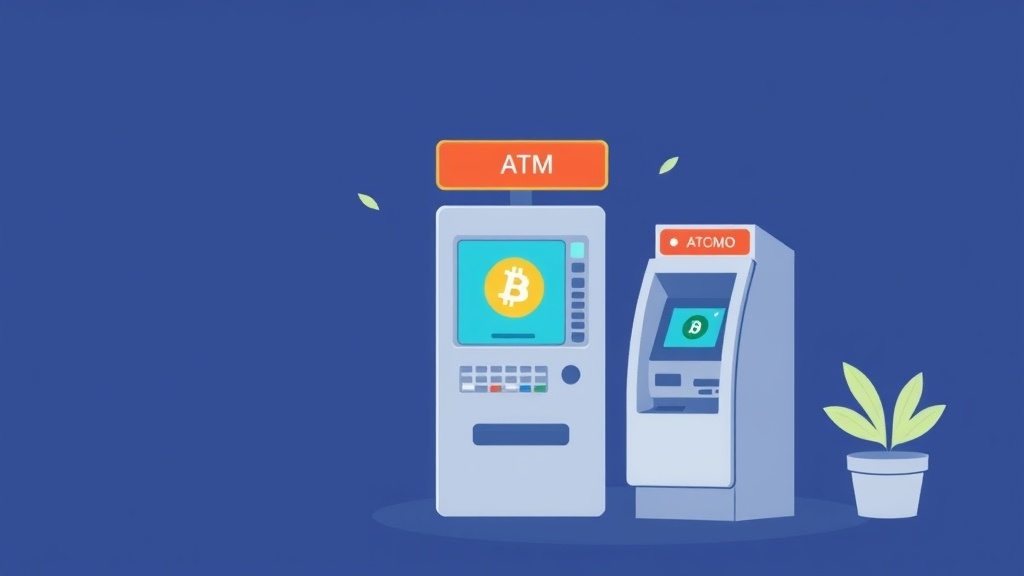
Some Bitcoin ATMs allow purchases without ID verification, especially in regions with lax regulations. While Bitcoin itself isn’t private, you can later convert it to Monero using a privacy swap service.
Steps:
- Find a Bitcoin ATM that doesn’t require ID (check CoinATMRadar).
- Purchase Bitcoin and send it to a privacy-focused wallet like Wasabi or Samourai.
- Use a non-KYC exchange like FixedFloat or SideShift.ai to swap Bitcoin for Monero without linking your identity.
Note: Always verify ATM policies—some may require ID for large amounts.
Method 3: Privacy-Focused Prepaid Cards
Prepaid debit cards funded with crypto can be used for daily spending while masking your identity. Services like BitPay Card (for Bitcoin) or Monero debit cards (via third-party providers) allow you to load funds privately and spend at any merchant accepting Visa/Mastercard.
Steps:
- Buy Monero or Bitcoin privately (via P2P or non-KYC exchange).
- Use a service like XMR.to or Bitrefill to convert crypto to a prepaid card balance.
- Order a virtual or physical card and use it for online/offline purchases.
Tip: Opt for virtual cards to avoid shipping addresses tied to your identity.
Best Practices for Daily Private Spending
Privacy isn’t just about the initial top-up—it’s about maintaining anonymity throughout your spending cycle. Here are essential tips to keep your transactions private:
- Use a dedicated privacy wallet for daily spending. Avoid mixing funds from different sources.
- Avoid reusing addresses. Generate a new address for each transaction to prevent blockchain analysis.
- Enable transaction batching where possible. Some wallets (like Wasabi) allow you to combine multiple inputs into one transaction, reducing traceability.
- Use VPNs and Tor when accessing wallets or exchanges. This hides your IP address and location.
- Withdraw small amounts frequently rather than large lump sums. This reduces the risk of exposure.
- Monitor merchant policies. Some stores log transaction IDs or require ID for refunds—avoid linking your identity to purchases.
Additionally, consider using lightning networks for Bitcoin transactions. Lightning payments are faster, cheaper, and harder to trace than on-chain transactions. Wallets like BlueWallet or Phoenix support Lightning with privacy features.
Conclusion: Take Control of Your Financial Privacy
Topping up privately for daily spending isn’t just possible—it’s a smart strategy for anyone who values financial freedom. By choosing privacy-focused cryptocurrencies, using secure wallets, and leveraging P2P exchanges or non-KYC services, you can spend crypto without sacrificing anonymity. Remember: privacy is a habit, not a one-time setup. Combine technical tools (like CoinJoin and stealth addresses) with operational security (like VPNs and address rotation) to stay ahead of surveillance.
Start small: pick one privacy coin, set up a dedicated wallet, and try a P2P purchase. Over time, you’ll build a seamless, private spending system that protects your data and preserves your financial autonomy. In a world where privacy is increasingly rare, taking these steps ensures you’re not leaving a digital trail behind.
Your financial privacy is worth protecting—start today.
Related articles
Funding a Wallet Without a Trail: A Privacy-Focused Crypto Guide

Derive a New Account for Each Counterparty: Boost Crypto Privacy
Rotate Xpubs Between Accounts for Enhanced Crypto Privacy
Never Share Your Extended Public Key: Protect Your Crypto Privacy

How to Spend Crypto Without Revealing Your Xpub
Looking for a privacy tool?
Browse every mixer, exchanger and Telegram bot in one place.