Secure Crypto Exchanges with PGP Encryption: A Privacy Guide
Why PGP Matters for Crypto Privacy
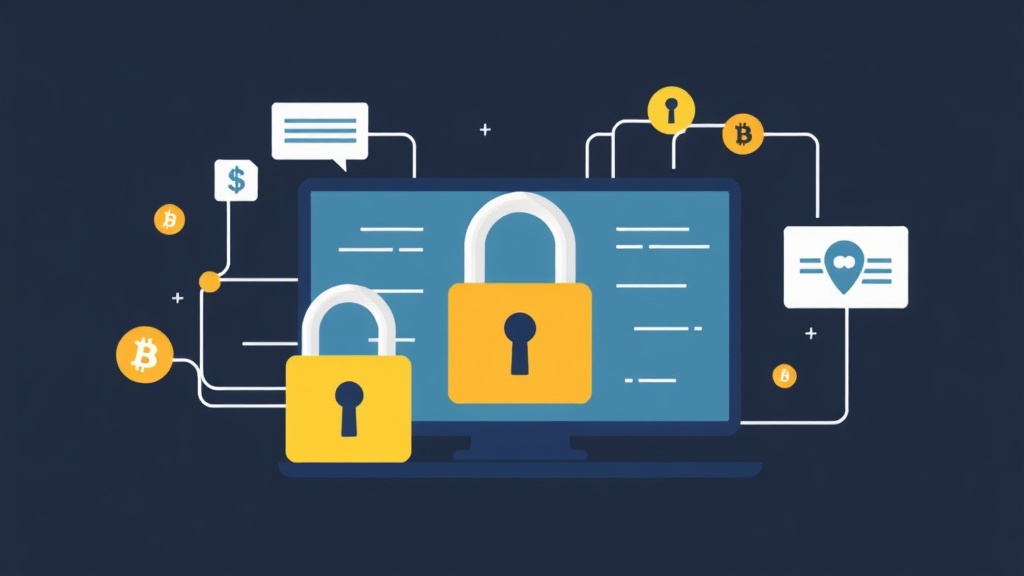
In the world of cryptocurrency, privacy isn't just a preference—it's a necessity. While blockchain transactions are pseudonymous, metadata like wallet addresses and transaction times can still expose sensitive information. PGP (Pretty Good Privacy) encryption adds a critical layer of security by encrypting messages and files, ensuring only intended recipients can access them. For crypto enthusiasts, this means protecting wallet details, trade strategies, and communications from prying eyes, including hackers and surveillance entities.
How PGP Works in Exchange Communications
PGP uses a pair of cryptographic keys: a public key to encrypt data and a private key to decrypt it. When you send a message, you encrypt it with the recipient's public key, which they then decrypt with their private key. This process ensures end-to-end security. For crypto exchanges, PGP can safeguard sensitive data like API keys, withdrawal addresses, and private messages. Unlike standard email encryption, PGP gives users full control over their keys, eliminating reliance on third-party services.
Setting Up PGP for Secure Exchanges
Getting started with PGP is straightforward. First, generate a key pair using tools like Gpg4win (Windows), GPG Suite (macOS), or the command-line gpg tool. Store your private key securely—never share it or upload it to cloud services. Next, share your public key with trusted contacts via email signatures, QR codes, or key servers. When communicating with exchanges or peers, always verify their public key authenticity to prevent man-in-the-middle attacks. For added security, use PGP-compatible email clients like Thunderbird with the Enigmail plugin.
Practical Tips for Secure Crypto Communication
- Encrypt Sensitive Files: Before sending wallet backups or transaction records, encrypt them with PGP. This prevents unauthorized access even if files are intercepted.
- Verify Public Keys: Always cross-check public keys through multiple channels (e.g., social media, in-person meetings) to avoid fake keys.
- Use PGP-Supported Platforms: Some crypto forums and marketplaces integrate PGP directly, streamlining secure communication.
- Backup Keys Offline: Store your private key on an encrypted USB drive or paper wallet, and keep it in a physical safe.
- Automate Encryption: Tools like GPG4Email can automatically encrypt outgoing emails, reducing human error.
Common PGP Pitfalls to Avoid
Even with PGP, mistakes can compromise security. Never reuse keys—generate a new pair for each sensitive exchange. Avoid sharing private keys under any circumstances, and never store them in unsecured locations. Also, be cautious with key expiration dates; outdated keys can lead to decryption failures. Finally, educate yourself on phishing attempts that mimic legitimate PGP requests, as scammers often target crypto users.
Conclusion: PGP as a Crypto Privacy Essential
As cryptocurrency adoption grows, so does the need for robust privacy tools. PGP encryption is a powerful ally in safeguarding your digital assets and communications. By implementing PGP in your exchange interactions, you take a proactive step toward true financial autonomy. Stay informed, stay vigilant, and make PGP a cornerstone of your crypto security strategy.
Related articles

Looking for a privacy tool?
Browse every mixer, exchanger and Telegram bot in one place.