Silent Payments on Bitcoin: Enhancing Privacy Without Extra Fees
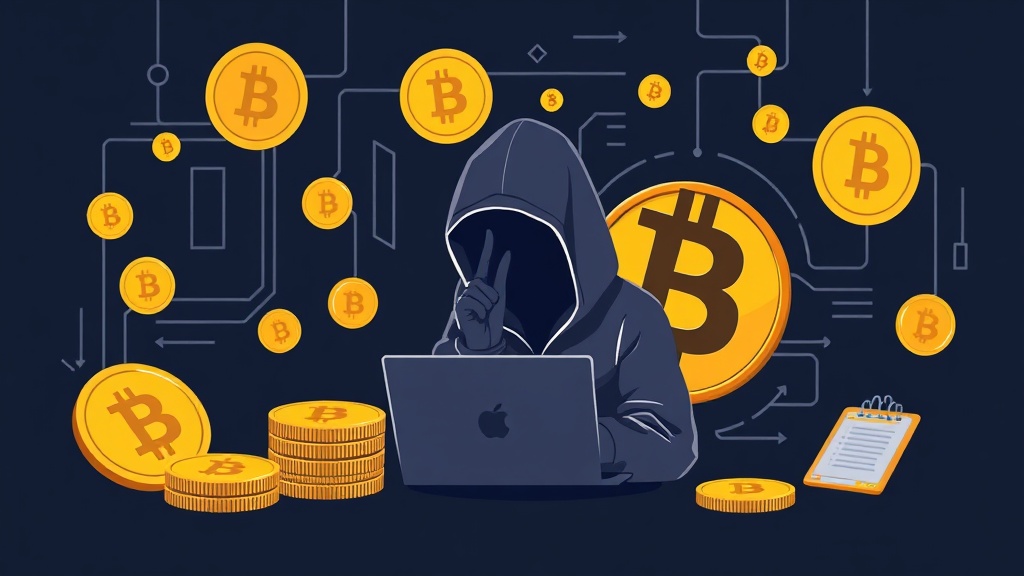
What Are Silent Payments and Why Do They Matter?
Silent Payments represent a breakthrough in Bitcoin privacy, allowing users to receive funds without revealing their addresses on the blockchain. Unlike traditional Bitcoin transactions that expose public keys, Silent Payments use a cryptographic trick to generate unique, one-time addresses for each payment—without requiring the sender to interact with the recipient beforehand. This innovation preserves financial privacy while maintaining compatibility with the Bitcoin network.
In a world where blockchain transparency is both a strength and a vulnerability, Silent Payments offer a way to shield transaction details from public scrutiny. They do this by leveraging Elliptic Curve Diffie-Hellman (ECDH) key exchange, enabling senders to derive a fresh address from the recipient’s public key and their own private key. The result? A silent, stealthy payment that doesn’t broadcast sensitive information.
For privacy-conscious users, Silent Payments are a game-changer. They reduce exposure to chain analysis firms, prevent address reuse, and eliminate the need for off-chain solutions like mixers or tumblers—all while staying within Bitcoin’s base layer.
How Silent Payments Work: A Technical Deep Dive
At the heart of Silent Payments is a clever use of public-key cryptography. Here’s a simplified breakdown of the process:
- Recipient Setup: The recipient generates a Silent Payment address, which is essentially a tweaked version of their standard Bitcoin address. This address includes an additional public key (often called the “scan key”) used for detecting incoming payments.
- Sender Action: When a sender wants to pay the recipient, they use the recipient’s public scan key and their own private key to compute a shared secret. This secret is then used to derive a unique output script for the payment.
- Transaction Broadcast: The sender creates a standard Bitcoin transaction, but instead of sending funds to the recipient’s public address, they send them to a one-time address derived from the shared secret. This address is only spendable by the recipient using their private scan key.
- Detection & Claiming: The recipient scans the blockchain using their private scan key to identify incoming Silent Payments. Once detected, they can spend the funds using their regular private key.
This method ensures that even if an observer sees the transaction on-chain, they cannot link it to the recipient’s identity or public address—unless they control both the sender’s and recipient’s keys.
Benefits of Silent Payments for Bitcoin Users
Silent Payments offer several compelling advantages over traditional Bitcoin transactions:
- Enhanced Privacy: By eliminating address reuse and hiding transaction patterns, Silent Payments significantly reduce the risk of deanonymization by chain analysis tools.
- No Additional Fees: Unlike privacy-focused protocols such as Lightning Network or CoinJoin, Silent Payments operate on Bitcoin’s base layer and do not require extra fees or complex setups.
- User-Friendly: Recipients don’t need to generate new addresses for each payment or rely on third-party services. The process is seamless and automatic.
- Backward Compatible: Silent Payments are fully compatible with existing Bitcoin infrastructure. Wallets and services can adopt them without requiring hard forks or changes to the protocol.
- Resistant to Dusting Attacks: Since Silent Payments generate unique outputs, attackers cannot easily trace or link small “dust” transactions to a user’s identity.
For merchants, privacy advocates, and everyday users alike, Silent Payments provide a simple yet powerful tool to reclaim financial sovereignty in an increasingly transparent digital world.
How to Use Silent Payments Today
While Silent Payments are still emerging, several wallets and services have begun integrating support. Here’s how you can start using them today:
- Compatible Wallets: As of 2024, wallets like Samourai Wallet and Sparrow Wallet have implemented Silent Payments. Keep an eye on updates from Wasabi Wallet and other open-source projects.
- Generating a Silent Address: In supported wallets, users can generate a Silent Payment address from their existing wallet. This address will look similar to a standard Bitcoin address but includes additional metadata for silent detection.
- Receiving Payments: Once you share your Silent Payment address, senders can pay you without exposing your public key. The transaction appears on-chain, but only you can detect and spend the funds using your private scan key.
- Spending Silent Funds: When you receive a Silent Payment, your wallet automatically detects it during synchronization. You can then spend the funds like any other Bitcoin transaction.
It’s important to note that Silent Payments are still in active development. Not all exchanges or services support sending to Silent addresses yet, so always check compatibility before transacting.
Practical Tips for Using Silent Payments Securely
To get the most out of Silent Payments while minimizing risks, follow these best practices:
- Use a Privacy-Focused Wallet: Choose wallets with strong privacy features, such as Tor integration, coin control, and support for PayJoin or CoinJoin.
- Never Reuse Addresses: Even with Silent Payments, avoid reusing public addresses for other transactions to maintain maximum privacy.
- Verify Wallet Support: Before sharing your Silent Payment address, confirm that your wallet and the sender’s wallet support the feature. Sending to an unsupported address may result in lost funds.
- Keep Your Scan Key Secure: Your private scan key is critical for detecting payments. Store it safely and back up your wallet regularly.
- Combine with Other Privacy Tools: For maximum anonymity, pair Silent Payments with techniques like time delays, custom change addresses, or Lightning Network for smaller transactions.
- Stay Updated: Follow developments from wallet developers and privacy advocates to ensure you’re using the latest, most secure implementations.
The Future of Silent Payments in Bitcoin
Silent Payments are still in their early stages, but their potential is enormous. As adoption grows, we can expect to see broader integration across wallets, exchanges, and payment processors. Developers are actively working on improving usability, reducing computational overhead, and expanding compatibility.
In the long term, Silent Payments could become a standard feature in Bitcoin wallets, much like bech32 addresses or Taproot. They offer a scalable, decentralized, and user-friendly way to enhance privacy without sacrificing security or convenience.
For Bitcoin to fulfill its promise as digital cash, privacy must be accessible to everyone—not just experts or those willing to use complex tools. Silent Payments bring us one step closer to that vision, empowering users to transact freely while maintaining control over their financial data.
As the Bitcoin ecosystem continues to evolve, Silent Payments stand out as a quiet revolution—one that prioritizes privacy, simplicity, and sovereignty. Whether you’re a privacy advocate, a merchant, or just someone tired of surveillance, Silent Payments offer a compelling reason to rethink how you use Bitcoin.
Related articles

Reusable Payment Codes: Secure & Private Crypto Transactions
BIP47 Payment Codes: Enhancing Bitcoin Privacy and Security
Understanding HD Wallet Gap Limit for Enhanced Crypto Privacy
Break Address Reuse: Why It’s Critical for Crypto Privacy
UTXO Consolidation: Boost Privacy & Efficiency in Crypto Transactions
Looking for a privacy tool?
Browse every mixer, exchanger and Telegram bot in one place.