Supervised Address Classification: A Guide for Crypto Privacy
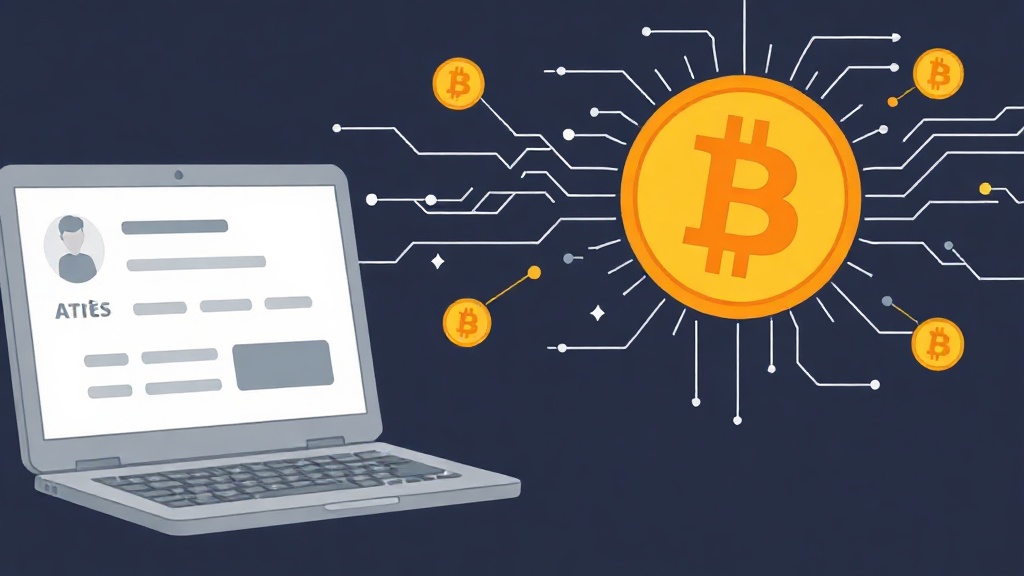
Understanding Supervised Address Classification in Cryptocurrency
Supervised address classification is a machine learning technique used to categorize cryptocurrency wallet addresses based on their transactional behavior. Unlike unsupervised methods, which rely on pattern recognition without predefined labels, supervised classification uses labeled datasets to train models that can predict the type of address (e.g., exchange, gambling, mixer) with high accuracy. This is particularly valuable in the cryptocurrency space, where privacy and anonymity are often prioritized, yet regulatory compliance and risk assessment require transparency.
For privacy-focused users, understanding how supervised address classification works can help mitigate risks associated with deanonymization. By analyzing transaction patterns, blockchain analysts can link addresses to real-world entities, potentially exposing users to surveillance or legal scrutiny. However, when used responsibly, supervised classification also aids in detecting illicit activities like money laundering or fraud, ensuring a safer ecosystem for legitimate users.
How Supervised Address Classification Works
Supervised address classification relies on a combination of feature extraction and machine learning algorithms to categorize addresses. Here’s a step-by-step breakdown of the process:
- Data Collection: Gather labeled datasets containing cryptocurrency addresses and their associated categories (e.g., exchange wallets, mining pools, ransomware addresses). Public datasets like those from Chainalysis or Elliptic provide labeled examples for training.
- Feature Engineering: Extract key features from transactional data, such as transaction frequency, value ranges, input/output patterns, and cluster sizes. These features help distinguish between different types of addresses.
- Model Training: Use supervised learning algorithms like Random Forest, Support Vector Machines (SVM), or Neural Networks to train the model on the labeled dataset. The goal is to create a model that can generalize well to unseen data.
- Prediction and Evaluation: Apply the trained model to new, unlabeled addresses to predict their categories. Evaluate performance using metrics like precision, recall, and F1-score to ensure accuracy.
For example, an exchange address might exhibit high transaction volumes, frequent small deposits, and outgoing transfers to user wallets. In contrast, a mixer address may show irregular transaction patterns designed to obscure fund origins. By training a model on these distinctions, it can classify new addresses with increasing precision.
Applications of Supervised Address Classification
Supervised address classification has a wide range of applications in both the public and private sectors, particularly in cryptocurrency privacy and compliance:
- Regulatory Compliance: Financial institutions and cryptocurrency exchanges use supervised classification to comply with Anti-Money Laundering (AML) and Know Your Customer (KYC) regulations. By identifying high-risk addresses (e.g., those linked to sanctioned entities), they can block or monitor suspicious transactions.
- Fraud Detection: Companies like Chainalysis and CipherTrace employ supervised classification to detect fraudulent activities, such as Ponzi schemes or darknet market transactions. This helps law enforcement agencies track and dismantle illicit operations.
- Privacy Enhancement: While supervised classification is often associated with surveillance, privacy advocates can use it to identify and avoid addresses linked to tracking or deanonymization. Tools like Wasabi Wallet or Samourai Wallet incorporate privacy-preserving techniques to reduce the risk of address classification.
- Risk Assessment: Investors and traders use supervised classification to assess the risk associated with specific addresses or entities. For instance, addresses linked to known scams or hacks can be flagged, helping users avoid potential losses.
In the context of privacy, supervised classification can be a double-edged sword. While it enables better compliance and security, it also highlights the importance of using privacy-focused tools and techniques to protect one’s financial activities.
Challenges and Ethical Considerations
Despite its benefits, supervised address classification faces several challenges and ethical dilemmas:
- Data Bias: Labeled datasets may be biased toward certain types of addresses or transaction patterns, leading to inaccurate classifications. For example, if a dataset predominantly includes addresses from a specific exchange, the model may struggle to generalize to other types of wallets.
- Privacy vs. Surveillance: The use of supervised classification raises concerns about mass surveillance and the erosion of financial privacy. Critics argue that such techniques can be misused by governments or corporations to monitor individuals without their consent.
- Evolving Tactics: Cryptocurrency users and illicit actors continuously adapt their tactics to evade detection. For instance, the rise of privacy coins like Monero or Zcash poses challenges for supervised classification models trained on Bitcoin or Ethereum data.
- False Positives: Over-reliance on supervised classification can lead to false positives, where legitimate addresses are incorrectly flagged as high-risk. This can result in unnecessary account freezes or legal complications for users.
To address these challenges, developers and researchers are exploring privacy-preserving techniques like zero-knowledge proofs (ZKPs) or federated learning. These methods aim to improve classification accuracy while minimizing the exposure of sensitive data.
Practical Tips for Protecting Your Cryptocurrency Privacy
If you’re concerned about supervised address classification and want to enhance your cryptocurrency privacy, consider the following tips:
- Use Privacy-Focused Wallets: Wallets like Wasabi Wallet (for Bitcoin) or Samourai Wallet offer built-in privacy features like CoinJoin to mix transactions and obscure fund origins.
- Leverage Mixers and Tumblers: Services like Tornado Cash or ChipMixer allow users to break the link between their original and destination addresses by pooling funds with others. However, be aware of the legal risks in your jurisdiction.
- Avoid Reusing Addresses: Generating a new address for each transaction reduces the likelihood of your transaction patterns being linked to your identity. Most modern wallets support hierarchical deterministic (HD) addresses for this purpose.
- Monitor Transaction Fees: High transaction fees can sometimes reveal information about the sender or receiver. Use tools like Bitcoin Core’s fee estimation to optimize your transactions without drawing unnecessary attention.
- Stay Informed About Regulatory Changes: Laws around cryptocurrency privacy and surveillance are evolving. Follow updates from organizations like the Electronic Frontier Foundation (EFF) or Coin Center to understand your rights and the tools available to you.
- Use Decentralized Exchanges (DEXs): DEXs like Uniswap or Bisq allow you to trade cryptocurrencies without relying on centralized entities that may share your data with third parties.
By combining these strategies with a deeper understanding of supervised address classification, you can take proactive steps to protect your financial privacy in the cryptocurrency space.
Conclusion: Balancing Privacy and Compliance
Supervised address classification is a powerful tool that bridges the gap between privacy and regulatory compliance in the cryptocurrency ecosystem. While it enables better security and fraud detection, it also underscores the need for robust privacy measures to protect users from deanonymization. As blockchain technology evolves, so too will the techniques used for address classification, making it essential for users to stay informed and adapt their strategies accordingly.
For privacy advocates, the key takeaway is to remain vigilant about the tools and services you use. By leveraging privacy-focused wallets, mixers, and decentralized platforms, you can reduce the risk of your addresses being classified or tracked. Simultaneously, understanding the underlying mechanisms of supervised classification empowers you to make informed decisions about your financial activities.
Ultimately, the goal is to foster a cryptocurrency ecosystem where privacy and compliance coexist harmoniously. Whether you’re a privacy enthusiast, a trader, or a regulatory body, staying educated about supervised address classification will help you navigate the complexities of the digital financial landscape with confidence.
Related articles
Unsupervised Entity Clustering: A Guide for Privacy in Crypto
Machine Learning Clustering: A Guide for Crypto Privacy Enthusiasts
Behavioral Anomaly Scoring: Detecting Suspicious Crypto Transactions

Anomaly Detection in Blockchain: Safeguarding Crypto Transactions
Detecting Suspicious Activity in Crypto: Protect Your Privacy & Assets
Looking for a privacy tool?
Browse every mixer, exchanger and Telegram bot in one place.