Transaction Hop Analysis: How to Protect Your Crypto Privacy
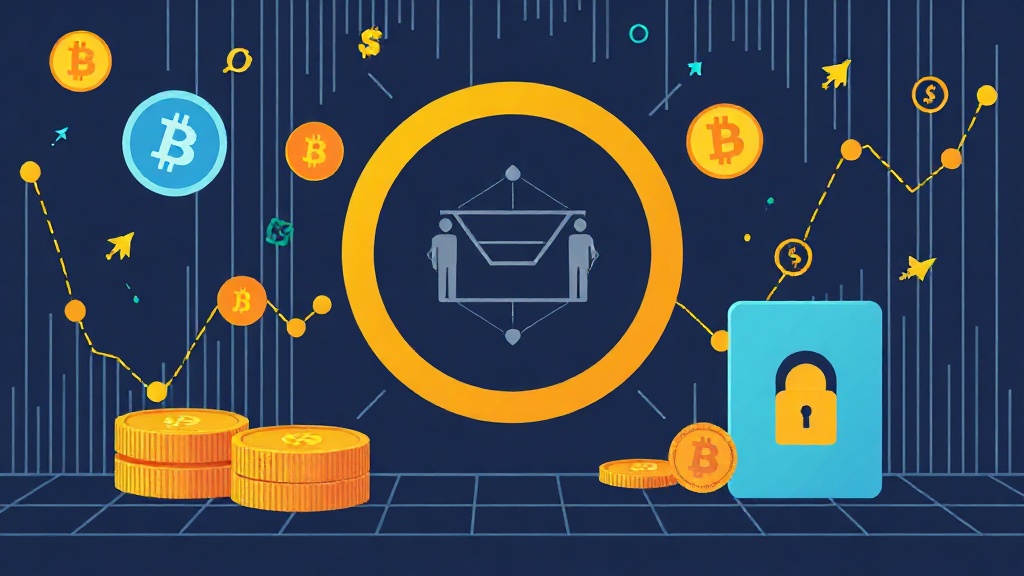
Understanding Transaction Hop Analysis in Cryptocurrency
Transaction hop analysis is a sophisticated technique used to trace the flow of digital assets across blockchain networks. It involves examining the sequence of transactions (or "hops") that a cryptocurrency takes from its origin to its destination. While this method can be valuable for legitimate purposes like auditing or fraud detection, it also poses significant privacy risks for cryptocurrency users.
In the context of privacy-focused cryptocurrencies like Monero or Zcash, transaction hop analysis is less effective due to built-in obfuscation features. However, for users of transparent blockchains like Bitcoin or Ethereum, understanding how hop analysis works is crucial to maintaining financial privacy. By analyzing transaction patterns, amounts, and timing, third parties can potentially link addresses to real-world identities, compromising anonymity.
How Transaction Hop Analysis Works: A Step-by-Step Breakdown
Transaction hop analysis relies on several key techniques to reconstruct the movement of funds:
- Address Clustering: Grouping multiple addresses controlled by the same entity based on transaction patterns, such as common inputs or timing.
- Change Address Detection: Identifying change addresses (where excess funds are returned) to link transactions to a single user.
- Transaction Graph Analysis: Mapping the flow of funds between addresses to visualize the entire transaction history.
- Timing Correlation: Analyzing the timing of transactions to infer relationships between addresses, especially when large amounts are moved in short succession.
For example, if Address A sends funds to Address B, and Address B immediately sends a similar amount to Address C, analysts might infer that Address B is a change address controlled by the same user who owns Address A. This process can be repeated across multiple transactions, gradually building a comprehensive picture of a user's financial activity.
Why Transaction Hop Analysis Matters for Crypto Privacy
The ability to trace transactions undermines one of the core promises of cryptocurrency: financial privacy. While Bitcoin and Ethereum are often marketed as anonymous, they are actually pseudonymous, meaning transactions are publicly linked to addresses rather than real-world identities. However, with enough data, these addresses can often be de-anonymized.
Transaction hop analysis exacerbates this issue by making it easier for third parties—such as governments, hackers, or even nosy neighbors—to track the flow of funds. This can lead to several privacy risks:
- Identity Exposure: Linking blockchain addresses to real-world identities through exchange withdrawals, merchant payments, or social media activity.
- Financial Profiling: Building detailed profiles of users' spending habits, investment strategies, or even political affiliations based on transaction history.
- Targeted Attacks: Enabling phishing, extortion, or blackmail by identifying high-net-worth individuals or vulnerable targets.
- Regulatory Compliance Risks: Unintentionally violating privacy laws or exposing sensitive financial information to unauthorized parties.
For privacy-conscious users, mitigating these risks requires a proactive approach to transaction hygiene and the use of privacy-enhancing tools.
Tools and Techniques to Combat Transaction Hop Analysis
Fortunately, there are several strategies and tools available to disrupt transaction hop analysis and enhance cryptocurrency privacy. Here’s a breakdown of the most effective methods:
1. Use Privacy-Focused Cryptocurrencies
Some cryptocurrencies are designed with privacy as a core feature. These include:
- Monero (XMR): Uses ring signatures, stealth addresses, and confidential transactions to obfuscate transaction details.
- Zcash (ZEC): Leverages zk-SNARKs to shield sender, receiver, and amount information.
- Dash (DASH): Offers a PrivateSend feature that mixes transactions to break the link between inputs and outputs.
2. Coin Mixing Services
For users of transparent blockchains, coin mixing (or tumbling) services can help break the trail of transactions. These services pool funds from multiple users and redistribute them in a way that severs the connection between original and final addresses. Popular options include:
- Wasabi Wallet: A Bitcoin wallet with built-in CoinJoin mixing.
- Samourai Wallet: Offers advanced privacy features like Stonewall and PayJoin.
- JoinMarket: A decentralized mixing protocol that relies on user incentives.
3. Address Reuse Prevention
One of the simplest yet most effective ways to protect privacy is to avoid reusing addresses. Each time you generate a new address for a transaction, you make it harder for analysts to cluster your activity. Most modern wallets (e.g., Electrum, Ledger Live) support hierarchical deterministic (HD) wallets, which generate a new address for each transaction automatically.
4. Lightning Network for Small Transactions
The Lightning Network, a layer-2 solution for Bitcoin, allows users to conduct small transactions off-chain. Since these transactions are not recorded on the blockchain, they are invisible to transaction hop analysis. This is particularly useful for everyday purchases where privacy is a concern.
5. Decoy Transactions and Dusting Attacks
Some advanced techniques involve intentionally creating decoy transactions or leveraging dusting attacks (where small amounts of crypto are sent to addresses to trace their activity). While these methods can be risky, they can also confuse analysts by introducing false leads into the transaction graph.
Practical Tips to Enhance Your Crypto Privacy
Protecting your financial privacy in the cryptocurrency space requires a combination of technical tools and good habits. Here are some actionable tips to minimize the risk of transaction hop analysis:
- Use a Privacy-Focused Wallet: Choose wallets like Wasabi, Samourai, or Monero’s official wallet that prioritize privacy features.
- Enable CoinJoin or Mixing: Regularly mix your coins to break transaction trails, especially before large transactions.
- Avoid Centralized Exchanges for Privacy: Exchanges often require KYC (Know Your Customer) verification, which links your identity to your addresses. Use decentralized exchanges (DEXs) or peer-to-peer (P2P) platforms instead.
- Use VPNs and Tor: Route your transactions through privacy networks like Tor or a VPN to obscure your IP address, which can be linked to blockchain activity.
- Withdraw Funds in Small Amounts: Instead of withdrawing large sums at once, split transactions into smaller amounts to reduce the risk of address clustering.
- Monitor Transaction Fees: High fees can sometimes reveal the urgency or size of a transaction, making it easier to trace. Use fee estimation tools to avoid overpaying.
- Stay Updated on Privacy Tools: The cryptocurrency privacy landscape is constantly evolving. Follow developments in tools like Mimblewimble (used in Grin and Beam) or zk-rollups for Ethereum, which offer new ways to enhance privacy.
Conclusion: Taking Control of Your Crypto Privacy
Transaction hop analysis is a powerful tool that can unravel the privacy of even the most careful cryptocurrency users. However, by understanding how it works and implementing the right strategies, you can significantly reduce your exposure to these risks. Whether you choose to use privacy-focused cryptocurrencies, coin mixing services, or simply adopt better transaction hygiene, the key is to be proactive about your financial privacy.
Remember, privacy is not about hiding illegal activity—it’s about protecting your financial sovereignty and personal data in an increasingly transparent digital world. As blockchain analysis tools become more sophisticated, so too must our defenses. Stay informed, use the right tools, and take control of your crypto privacy today.
Related articles

Indirect Exposure Tracing: How Cryptocurrency Privacy is Compromised

Exposure Risk Assessment: Protect Your Crypto Privacy Now

Understanding Counterparty Risk in Cryptocurrency Investments
Unlock Financial Insights with Spending Pattern Analysis
Understanding Address Behavioral Profiling in Cryptocurrency Privacy
Looking for a privacy tool?
Browse every mixer, exchanger and Telegram bot in one place.