Understanding Incoming Viewing Keys for Cryptocurrency Privacy
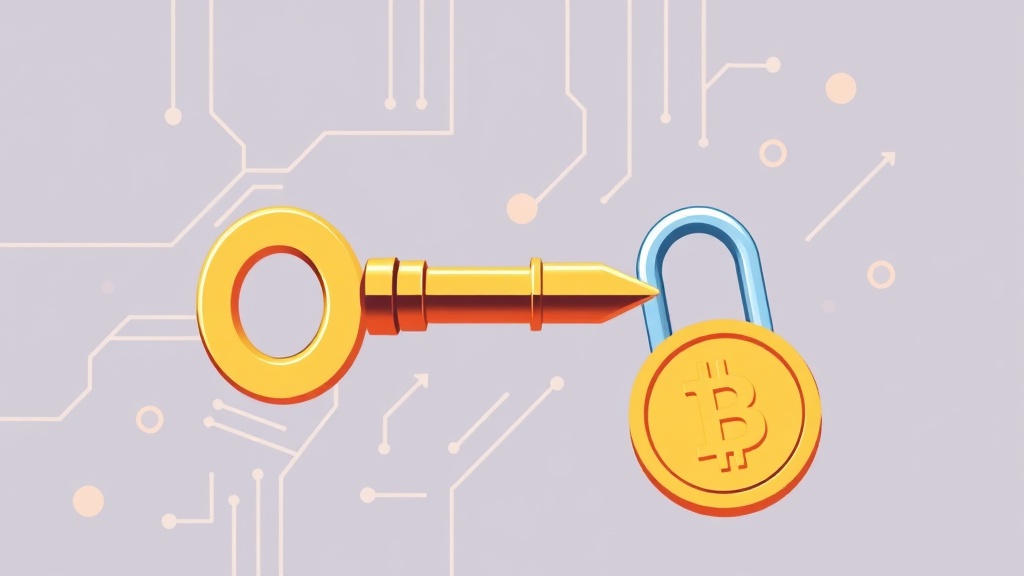
What Is an Incoming Viewing Key?
An incoming viewing key is a cryptographic tool used in privacy-focused cryptocurrencies like Monero (XMR) to enhance transaction confidentiality. Unlike traditional blockchain systems where all transactions are publicly visible, privacy coins use advanced techniques to obscure sender, receiver, and amount details. The incoming viewing key plays a crucial role in this process by allowing designated recipients to decrypt and verify incoming transactions without exposing sensitive information to the broader network.
This key is part of a broader cryptographic framework that includes stealth addresses and ring signatures. While the sender generates a one-time stealth address for the recipient, the incoming viewing key enables the recipient’s wallet to scan the blockchain and identify transactions intended for them—without revealing the transaction details to third parties. This ensures financial privacy while maintaining auditability for the legitimate owner.
How Incoming Viewing Keys Work in Privacy Coins
In privacy cryptocurrencies such as Monero, each transaction involves several layers of encryption. The sender uses the recipient’s public address (which is derived from their private spend key) to generate a unique stealth address. This stealth address is only visible to the sender and recipient. The recipient, however, needs a way to detect that a transaction is meant for them without broadcasting their involvement on the public ledger.
This is where the incoming viewing key comes into play. It is a derived key from the recipient’s private spend key and is shared with the sender or embedded in the transaction metadata. Using this key, the recipient’s wallet can:
- Decrypt transaction details such as the amount and recipient address.
- Verify ownership of incoming funds without exposing the transaction to the public.
- Link transactions to their wallet without revealing the full address on-chain.
Importantly, the incoming viewing key does not allow the holder to spend funds—only to view them. Full spending authority remains with the private spend key, which is never shared.
Why Use an Incoming Viewing Key for Cryptocurrency Privacy?
Financial privacy is a growing concern in the digital age. While traditional banking systems offer confidentiality through private ledgers, public blockchains like Bitcoin expose every transaction to anyone with internet access. This lack of privacy can lead to risks such as:
- Targeted attacks based on spending patterns.
- Loss of anonymity if wallet addresses are linked to real-world identities.
- Corporate or governmental surveillance of financial behavior.
Privacy coins like Monero address these concerns by using incoming viewing keys and related technologies to ensure that only the sender and recipient know the details of a transaction. This is especially important for:
- Journalists and activists operating in repressive regimes.
- Businesses protecting trade secrets or competitive pricing.
- Individuals safeguarding personal financial data from identity theft.
The incoming viewing key is a cornerstone of this privacy architecture, enabling users to maintain confidentiality without sacrificing the transparency and immutability of blockchain technology.
How to Use an Incoming Viewing Key in Monero (XMR)
Using an incoming viewing key in Monero is straightforward, especially with modern wallet software. Here’s a step-by-step guide:
Step 1: Generate Your Incoming Viewing Key
In most Monero wallets (e.g., Monero GUI or CLI), your incoming viewing key is automatically generated from your private spend key. You can find it in the wallet settings under “View Only” or “Keys” section. It typically looks like a long hexadecimal string.
Step 2: Share It Securely
If you want someone to be able to see your incoming transactions (but not spend your funds), share your incoming viewing key with them. This is useful for auditors, accountants, or trusted third parties who need to monitor inflows without access to spending power.
Step 3: Import the Key into a View-Only Wallet
Create or import a “view-only” wallet using the incoming viewing key. This wallet can detect and display all incoming transactions to the associated address but cannot send funds. It’s ideal for monitoring without risking loss.
Step 4: Monitor Transactions
Once set up, the view-only wallet will scan the blockchain and display incoming transactions in real time. You’ll see the amount, block height, and transaction hash—but not the sender’s address or your private details.
Important Security Tips:
- Never share your private spend key or mnemonic seed. The incoming viewing key is safe to share, but the spend key grants full access.
- Use a dedicated view-only wallet for monitoring to avoid confusion with your main wallet.
- Regularly update your wallet software to benefit from the latest privacy and security improvements.
- Backup your view-only wallet if you rely on it for long-term monitoring.
Common Misconceptions About Incoming Viewing Keys
Despite their utility, incoming viewing keys are often misunderstood. Let’s clarify some common myths:
- Myth: An incoming viewing key lets you spend funds.
Fact: No. It only allows viewing of transaction data. Spending requires the private spend key.
- Myth: Sharing your incoming viewing key compromises your privacy.
Fact: It reveals only incoming transactions, not your balance, outgoing transactions, or identity. Used correctly, it enhances transparency for trusted parties without sacrificing privacy.
- Myth: All privacy coins use incoming viewing keys.
Fact: Not all. For example, Zcash uses zk-SNARKs and does not rely on viewing keys in the same way. Monero is the most prominent user of this technology.
- Myth: You need a view-only wallet to use an incoming viewing key.
Fact: Technically, you can use the key with compatible software to scan transactions, but a dedicated view-only wallet is the safest and most practical method.
Best Practices for Cryptocurrency Privacy with Incoming Viewing Keys
To maximize privacy and security when using incoming viewing keys, follow these best practices:
- Use a hardware wallet for your main funds and only export the incoming viewing key for monitoring purposes.
- Avoid sharing your view-only wallet seed—it’s not needed to restore a view-only wallet, and exposing it could compromise your setup.
- Regularly audit your view-only wallet to ensure no unauthorized transactions are being detected.
- Combine with other privacy tools like Tor or VPNs when accessing your wallet to prevent IP-based tracking.
- Stay updated on Monero’s protocol upgrades (e.g., RingCT, Triptych) that enhance privacy and compatibility with viewing keys.
Remember: while incoming viewing keys are powerful, they are just one layer in a comprehensive privacy strategy. Combine them with good operational security (OpSec) practices for maximum protection.
Conclusion: Balancing Privacy and Transparency
The incoming viewing key is a vital component of modern cryptocurrency privacy, particularly in systems like Monero that prioritize confidentiality. By allowing users to monitor incoming transactions without exposing sensitive data, it bridges the gap between transparency and privacy—two often conflicting goals in digital finance.
Whether you're a privacy advocate, a business owner, or simply someone who values financial discretion, understanding and using incoming viewing keys responsibly can significantly enhance your cryptocurrency experience. As blockchain technology evolves, tools like these will become even more essential in protecting individual sovereignty in an increasingly transparent digital world.
Take control of your privacy today: generate your incoming viewing key, set up a secure view-only wallet, and transact with confidence—knowing your financial life remains your own.
Related articles

Mastering Key Delegation for Enhanced Cryptocurrency Privacy
Understanding Nullifier Set Membership in Privacy-Focused Blockchains

Merkle Tree Accumulators: The Backbone of Secure Cryptocurrency Privacy

Jubjub Elliptic Curve: The Backbone of ZK-SNARKs in Privacy Coins

From Sprout to Sapling: A Guide to Cryptocurrency Privacy Evolution
Looking for a privacy tool?
Browse every mixer, exchanger and Telegram bot in one place.