Address Linkage Analysis: How Blockchain Privacy is Analyzed and Protected
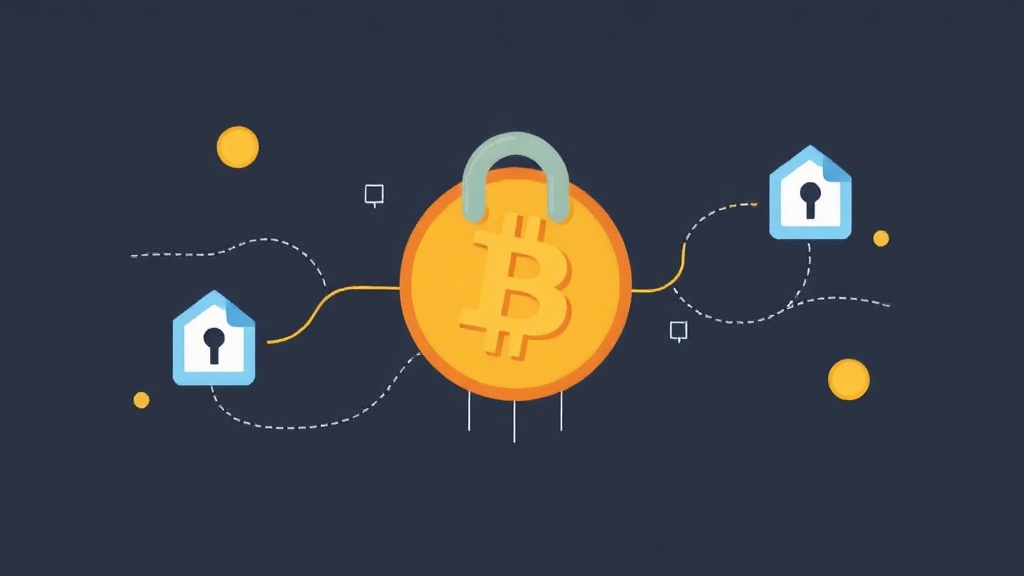
Understanding Address Linkage Analysis in Cryptocurrency
Address linkage analysis is a critical process in the world of cryptocurrency, particularly for those concerned with privacy and anonymity. At its core, this method involves examining blockchain transactions to identify patterns, connections, or links between different cryptocurrency addresses. The goal is to trace the flow of funds and uncover the identities behind these addresses, often used by law enforcement, researchers, or privacy-focused individuals.
Blockchain technology, while offering transparency, does not inherently provide anonymity. Every transaction is recorded on a public ledger, making it possible to analyze the movement of funds across addresses. Address linkage analysis leverages this transparency to map out transaction histories, identify clusters of addresses controlled by the same entity, and even deanonymize users. For cryptocurrency users who prioritize privacy, understanding how this analysis works is the first step in protecting their financial activities.
How Address Linkage Analysis Works: Techniques and Tools
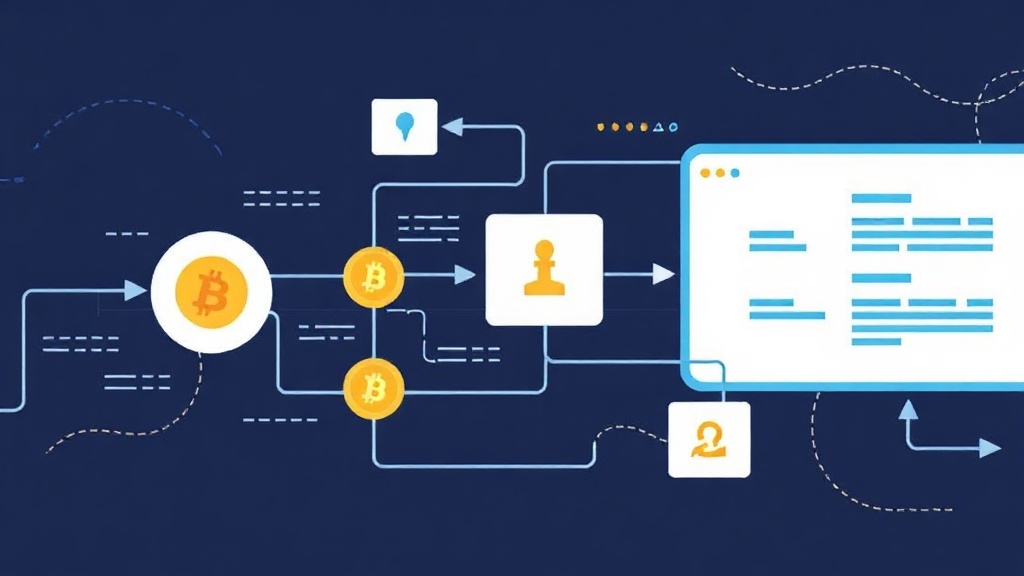
Address linkage analysis relies on several techniques to connect the dots between seemingly unrelated transactions. One of the most common methods is transaction graph analysis, which visualizes the blockchain as a network of addresses and transactions. By analyzing the flow of funds, analysts can identify clusters of addresses that are likely controlled by the same user or entity.
Another technique is address clustering, where analysts group together addresses that are likely linked based on shared transaction histories. For example, if multiple addresses are used as inputs in the same transaction, they are often controlled by the same user. This method is particularly effective in identifying the addresses associated with cryptocurrency exchanges or mixing services.
Tools and software play a crucial role in address linkage analysis. Some of the most widely used tools include:
- Chainalysis: A leading blockchain analysis tool used by law enforcement and financial institutions to track illicit activities.
- Elliptic: Provides compliance and investigation solutions for cryptocurrency transactions.
- CipherTrace: Specializes in cryptocurrency forensics and anti-money laundering (AML) compliance.
- GraphSense: An open-source tool for visualizing and analyzing blockchain transaction graphs.
These tools use advanced algorithms to sift through vast amounts of blockchain data, identifying patterns and connections that would be impossible to detect manually.
Real-World Applications of Address Linkage Analysis
Address linkage analysis has a wide range of applications, from law enforcement to financial compliance. One of the most high-profile uses is in the investigation of illicit activities, such as money laundering, ransomware attacks, and darknet market transactions. By tracing the flow of funds, authorities can identify the perpetrators and seize illicitly obtained cryptocurrencies.
In the financial sector, address linkage analysis is used to ensure compliance with anti-money laundering (AML) and know-your-customer (KYC) regulations. Cryptocurrency exchanges and financial institutions rely on these tools to monitor transactions, flag suspicious activities, and report them to regulatory bodies. This helps prevent the misuse of cryptocurrencies for illegal purposes and maintains the integrity of the financial system.
For privacy-focused individuals, address linkage analysis can be a double-edged sword. While it can be used to protect against fraud and theft, it can also be leveraged by malicious actors to deanonymize users. Understanding how these analyses work can help users take proactive steps to safeguard their privacy.
Protecting Your Privacy: Tips to Avoid Address Linkage
For cryptocurrency users who value their privacy, avoiding address linkage is essential. Here are some practical tips to minimize the risk of being tracked or deanonymized:
- Use Privacy-Focused Cryptocurrencies: Consider using privacy coins like Monero (XMR), Zcash (ZEC), or Dash (DASH), which offer enhanced anonymity features such as stealth addresses and confidential transactions.
- Implement Coin Mixing Services: Services like Wasabi Wallet or Samourai Wallet offer coin mixing (or tumbling) features that help obfuscate the transaction trail by mixing your coins with those of other users.
- Practice Address Hygiene: Avoid reusing addresses. Generate a new address for each transaction to prevent clustering. This makes it harder for analysts to link your transactions together.
- Use VPNs and Tor: When accessing cryptocurrency services, use a virtual private network (VPN) or the Tor network to mask your IP address and location. This adds an extra layer of privacy to your transactions.
- Be Cautious with Centralized Exchanges: Centralized exchanges often require KYC verification, which can link your identity to your cryptocurrency addresses. If privacy is a priority, consider using decentralized exchanges (DEXs) or peer-to-peer (P2P) platforms.
- Monitor Transaction Fees: High transaction fees can sometimes reveal information about the sender or receiver. Use appropriate fee settings to avoid drawing unnecessary attention to your transactions.
- Stay Informed About Privacy Tools: The cryptocurrency space is constantly evolving, with new privacy tools and techniques emerging regularly. Stay updated on the latest developments to ensure you are using the most effective methods to protect your privacy.
Future Trends: Address Linkage Analysis and the Evolution of Privacy
The field of address linkage analysis is rapidly evolving, driven by advancements in technology and the growing demand for privacy. One of the most significant trends is the development of zero-knowledge proofs (ZKPs), which allow users to prove the validity of a transaction without revealing any sensitive information. Projects like Zcash and Mina Protocol are already leveraging ZKPs to enhance privacy on the blockchain.
Another trend is the rise of decentralized identity solutions, which aim to give users more control over their personal data. These solutions use blockchain technology to create secure, verifiable identities that can be used across different platforms without compromising privacy. Projects like Sovrin and uPort are at the forefront of this movement.
As privacy-enhancing technologies (PETs) become more sophisticated, the tools used for address linkage analysis will also advance. This cat-and-mouse game between privacy advocates and analysts will continue to shape the future of cryptocurrency. For users, staying informed and adopting best practices will be key to maintaining financial privacy in an increasingly transparent world.
In conclusion, address linkage analysis is a powerful tool with wide-ranging implications for cryptocurrency users. While it can be used to combat illicit activities and ensure regulatory compliance, it also poses significant privacy risks. By understanding how these analyses work and taking proactive steps to protect your privacy, you can navigate the cryptocurrency landscape with greater confidence and security.
Related articles
Entity Clustering in Blockchain: Enhancing Privacy and Security
Understanding Cluster Attribution Model for Enhanced Privacy in Crypto
How Bitcoin Address Deanonymization Works and How to Protect Your Privacy
On-Chain Deanonymization: How Blockchain Analysis Unmasks Crypto Users
Crypto Forensic Investigation: Tracing and Securing Digital Assets
Looking for a privacy tool?
Browse every mixer, exchanger and Telegram bot in one place.