Crypto Forensic Investigation: Tracing and Securing Digital Assets
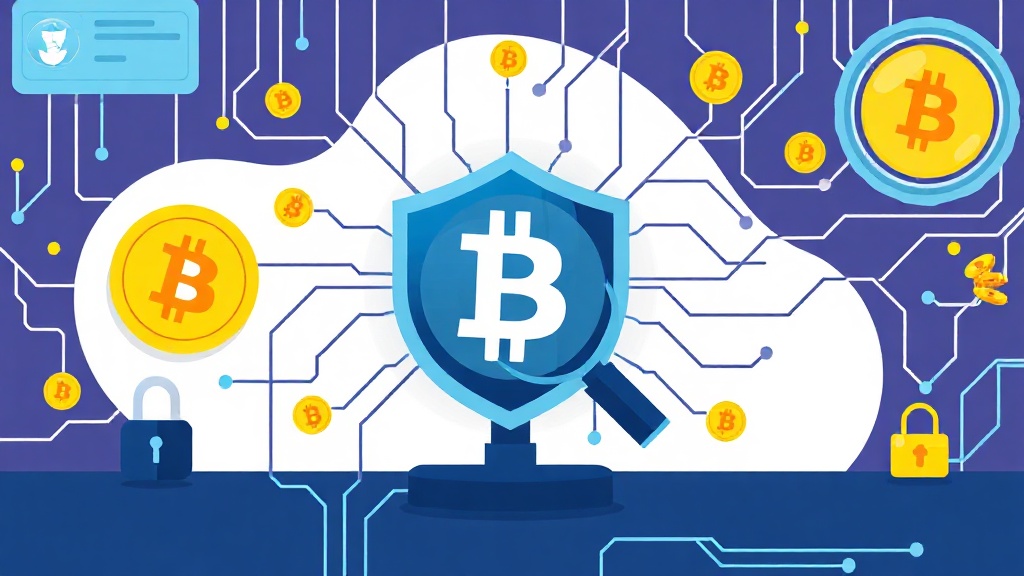
Understanding Crypto Forensic Investigation
Crypto forensic investigation is the process of analyzing blockchain transactions to trace, identify, and secure digital assets. Unlike traditional financial systems, cryptocurrencies operate on decentralized networks, making transactions pseudonymous but not entirely anonymous. This duality creates both opportunities for privacy and challenges for law enforcement and security professionals. Forensic investigators use specialized tools and techniques to follow the digital trail left by blockchain transactions, helping to uncover illicit activities such as money laundering, fraud, or ransomware payments.
At its core, crypto forensic investigation relies on blockchain’s transparency. Every transaction is recorded on a public ledger, accessible to anyone with an internet connection. However, the identities behind wallet addresses remain hidden unless linked to real-world entities. Investigators leverage this transparency to map transaction flows, identify patterns, and attribute activities to specific individuals or entities. This field bridges the gap between anonymity and accountability in the digital economy.
Key Tools and Techniques in Crypto Forensics
Forensic investigators employ a variety of tools and methodologies to analyze blockchain data effectively. These tools range from open-source software to proprietary platforms designed for deep transaction tracing. Some of the most widely used tools include:
- Blockchain Explorers: Platforms like Blockchain.com or Etherscan allow investigators to view transaction histories, wallet balances, and smart contract interactions in real time.
- Chainalysis: A leading blockchain analysis company that provides investigative software to track cryptocurrency flows, identify high-risk transactions, and link addresses to known entities.
- CipherTrace: Specializes in cryptocurrency intelligence and compliance, helping financial institutions and law enforcement monitor suspicious activities across multiple blockchains.
- Glassnode: Focuses on on-chain analytics, offering insights into transaction volumes, wallet activity, and market trends to detect anomalies.
- Maltego: A data mining tool that visualizes relationships between blockchain addresses, IP addresses, and other digital entities to uncover hidden connections.
Beyond tools, forensic investigators rely on techniques such as address clustering, where multiple addresses are grouped under a single entity based on transaction patterns, and taint analysis, which tracks the flow of funds from known illicit sources to identify downstream recipients. These methods are crucial for building a comprehensive picture of transaction flows and attributing activities to specific actors.
Common Use Cases for Crypto Forensics
Crypto forensic investigation serves multiple purposes across different sectors, from law enforcement to cybersecurity and compliance. Here are some of the most common use cases:
- Law Enforcement: Investigating ransomware attacks, darknet market transactions, or fraudulent ICOs. Forensic teams trace stolen funds, identify perpetrators, and gather evidence for legal proceedings.
- Financial Compliance: Ensuring adherence to anti-money laundering (AML) and know-your-customer (KYC) regulations. Exchanges and financial institutions use forensic tools to screen transactions for suspicious activity and report them to authorities.
- Cybersecurity: Detecting and mitigating crypto-related threats such as phishing scams, Ponzi schemes, or exchange hacks. Forensic analysis helps identify vulnerabilities and trace stolen assets back to their source.
- Asset Recovery: Assisting victims of crypto theft or fraud in recovering lost funds. Investigators work to trace transactions, identify wallet owners, and collaborate with exchanges to freeze or return stolen assets.
- Due Diligence: Conducting background checks on crypto projects, teams, or investors to assess legitimacy and identify red flags such as pump-and-dump schemes or insider trading.
For example, in 2021, the U.S. Department of Justice recovered $2.3 million in Bitcoin linked to the Colonial Pipeline ransomware attack using blockchain forensic techniques. This case highlighted the effectiveness of crypto forensics in combating cybercrime and recovering stolen assets.
Challenges and Limitations in Crypto Forensics
Despite its advancements, crypto forensic investigation faces several challenges that can hinder its effectiveness. Understanding these limitations is crucial for both investigators and users seeking to protect their privacy.
One of the primary challenges is the pseudonymity of blockchain transactions. While addresses are not directly tied to real-world identities, they can often be linked through behavioral patterns, IP address leaks, or off-chain data. However, sophisticated actors use techniques like coin mixing (e.g., using services like Tornado Cash) or privacy coins (e.g., Monero or Zcash) to obfuscate transaction trails. These methods make it significantly harder for investigators to trace funds accurately.
Another challenge is the fragmentation of blockchain ecosystems. Different blockchains (Bitcoin, Ethereum, Solana, etc.) operate independently, and tools designed for one chain may not work on another. Cross-chain transactions further complicate investigations, as funds can move between networks seamlessly. Investigators must stay updated on the latest blockchain technologies and adapt their tools accordingly.
Additionally, regulatory uncertainty poses a challenge. Laws governing cryptocurrency vary widely across jurisdictions, and some countries lack clear guidelines for crypto forensic investigations. This can create legal hurdles for investigators working on international cases or collaborating with global law enforcement agencies.
Finally, privacy-enhancing technologies continue to evolve, making it easier for users to obscure their transaction histories. While these technologies empower individuals to protect their financial privacy, they also create obstacles for forensic investigators aiming to combat illicit activities.
Practical Tips for Protecting Your Crypto Privacy
While crypto forensic investigation plays a vital role in maintaining security and compliance, individuals and businesses can take steps to protect their privacy and reduce their exposure to forensic tracking. Here are some practical tips:
- Use Privacy-Focused Wallets: Opt for wallets that prioritize privacy, such as Samourai Wallet or Wasabi Wallet, which offer features like coin mixing and stealth addresses.
- Avoid Reusing Addresses: Generate a new address for each transaction to prevent address clustering, which can link your activities to a single identity.
- Leverage Mixers or Tumblers: Services like Tornado Cash (note: may be restricted in some regions) can help obfuscate transaction trails by mixing your funds with those of other users. Use with caution and ensure compliance with local laws.
- Enable Two-Factor Authentication (2FA): Protect your exchange and wallet accounts with 2FA to prevent unauthorized access and reduce the risk of theft.
- Monitor Transaction Fees: High transaction fees can sometimes reveal patterns in your activity. Use fee estimation tools to maintain privacy while optimizing costs.
- Avoid Linking Personal Information to Wallets: Never share your wallet addresses publicly or associate them with your real-world identity (e.g., on social media or forums).
- Use VPNs and Tor: Mask your IP address when accessing crypto services to prevent IP-based tracking. Tools like Tor or a reliable VPN can enhance your anonymity.
- Stay Informed About Privacy Tools: Follow developments in privacy-enhancing technologies, such as zero-knowledge proofs (ZKPs) or zk-SNARKs, which are being integrated into newer blockchain projects.
Conclusion
Crypto forensic investigation is a powerful tool for tracing, securing, and regulating digital assets in an increasingly decentralized financial landscape. By leveraging blockchain transparency and advanced analytical techniques, investigators can uncover illicit activities, recover stolen funds, and ensure compliance with global regulations. However, the field is not without its challenges, from pseudonymous transactions to evolving privacy technologies.
For individuals and businesses, understanding the principles of crypto forensics is essential for protecting privacy and mitigating risks. By adopting best practices—such as using privacy-focused tools, avoiding address reuse, and staying informed about regulatory changes—you can navigate the crypto ecosystem more securely. As blockchain technology continues to evolve, so too will the tools and techniques used in forensic investigations, shaping the future of digital finance and privacy.
Whether you're a crypto enthusiast, investor, or professional, staying informed about crypto forensics empowers you to make better decisions and protect your digital assets in an ever-changing landscape.
Related articles
Blockchain Forensics Firms: How They Track Crypto Transactions

Transaction Risk Scoring: Protect Your Crypto Privacy and Security
Understanding KYT Risk Scoring in Cryptocurrency Transactions
Know Your Transaction (KYT) Screening: Protecting Crypto Privacy & Compliance

Dust Attribution Analysis: How to Protect Your Crypto Privacy
Looking for a privacy tool?
Browse every mixer, exchanger and Telegram bot in one place.