Address Poisoning Attacks: How Hackers Trick Crypto Users & How to Stay Safe
What Is an Address Poisoning Attack?
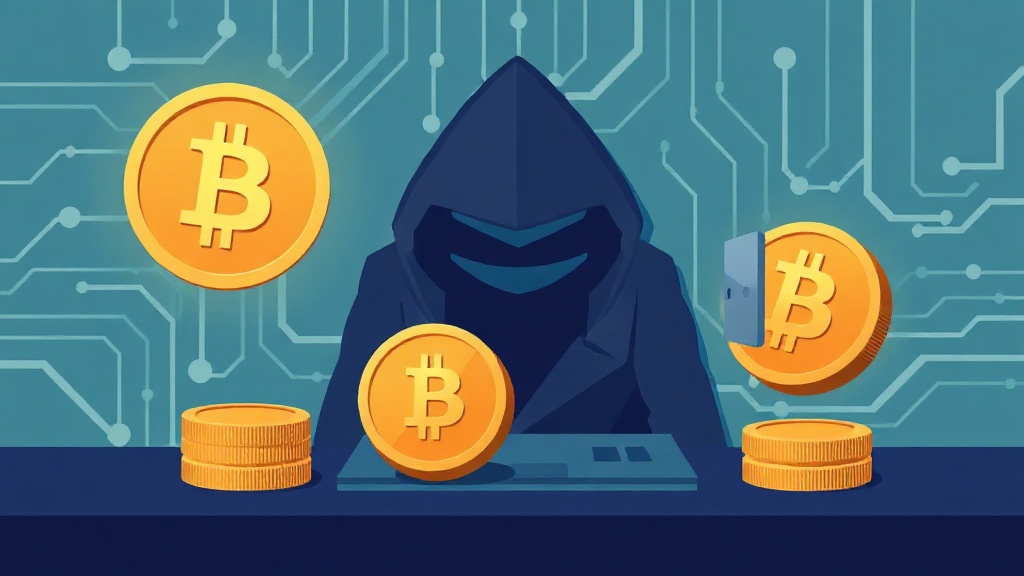
An address poisoning attack is a deceptive cybercrime tactic where hackers exploit human error in cryptocurrency transactions. The attacker sends a small amount of crypto—often just a few cents—to a wallet address that closely resembles a legitimate one you’ve used before. The goal isn’t to steal funds directly but to trick you into copying and pasting the wrong address when making future transactions.
Because blockchain addresses are long, complex strings of letters and numbers, people often shorten or copy them from transaction history. Attackers exploit this habit by creating wallet addresses that look nearly identical—just with subtle differences in characters or formatting. When you paste the poisoned address by mistake, your funds go to the attacker instead of the intended recipient.
These attacks are not about hacking private keys or exploiting smart contracts. They rely purely on social engineering and visual deception—making them both sneaky and hard to detect.
How Address Poisoning Works: A Step-by-Step Breakdown
Understanding the mechanics behind these attacks can help you recognize them before they cause damage. Here’s how a typical address poisoning scam unfolds:
- Target Selection: Attackers monitor public blockchain data to identify active wallets. They look for addresses that frequently interact with exchanges, DeFi platforms, or other high-value services.
- Creating the Poisoned Address: The attacker generates a new wallet address that mimics the format of the target’s recent transaction addresses. For example, if your last transaction used
0x71C..., they might create0x71c...(lowercase 'c' instead of uppercase) or0x71C...123. - Sending the Test Transaction: A small amount—often less than $1 worth of crypto—is sent from the poisoned address to your wallet. This transaction appears in your wallet’s activity log, making the address seem familiar.
- Waiting for the Trap: The attacker waits for you to initiate a new transaction. When you copy the address from your history (which now includes the poisoned one), you unknowingly send funds to the wrong place.
- Profit from Mistakes: Once you send a larger amount to the poisoned address, the attacker can withdraw the funds immediately or swap them for privacy coins, making recovery nearly impossible.
This method is especially effective because blockchain transactions are irreversible. Once the funds are sent, there’s no way to reverse or recover them.
Real-World Examples: Address Poisoning in Action
Address poisoning isn’t just theoretical—it’s happened to real users and even affected high-profile wallets. Here are a few documented cases:
- 2023 Ethereum Wallet Scam: A user lost over $600,000 in ETH after copying a poisoned address that mimicked a frequently used wallet. The attacker had sent a tiny test transaction days earlier, making the address appear legitimate.
- DeFi Investor Targeted: A DeFi trader attempted to send $50,000 to a known exchange address but accidentally pasted a poisoned version. The funds were gone within minutes.
- NFT Community Exploit: In a Discord-based NFT project, attackers poisoned addresses shared in group chats. Several members sent large sums to fake addresses, believing they were paying for rare NFTs.
These incidents highlight how even experienced crypto users can fall victim. The key takeaway: never trust an address just because it appears in your transaction history.
How to Protect Yourself from Address Poisoning Attacks
While address poisoning is a growing threat, there are effective ways to defend your crypto assets. Follow these best practices to stay safe:
- Always Double-Check Addresses: Before pasting any address, manually verify the first and last 6 characters. Use a blockchain explorer like Etherscan or Blockchain.com to confirm the full address matches your intended recipient.
- Avoid Copy-Pasting from Transaction History: Instead of copying addresses from past transactions, manually type or use a trusted address book feature in your wallet.
- Use Address Book Features: Most wallets (like MetaMask, Trust Wallet, or Ledger Live) allow you to save and label addresses. This reduces the risk of selecting the wrong one from a long list.
- Enable Transaction Simulation (for DeFi Users): Some wallets and platforms now offer transaction previews that show the final recipient address before you confirm. Use these tools whenever possible.
- Be Wary of Small Incoming Transactions: If you receive an unexpected tiny transfer, don’t assume the sender is legitimate. It could be a setup for a future attack.
- Use Hardware Wallets for Large Transactions: Hardware wallets like Ledger or Trezor display the full recipient address on their screens, making it harder to miss a typo or poisoned address.
- Stay Updated on Scam Trends: Follow reputable crypto security blogs (like Chainalysis or SlowMist) to learn about new attack vectors and red flags.
Remember: if it feels rushed or suspicious, pause and verify. Hackers rely on urgency—don’t let FOMO or impatience lead to costly mistakes.
What to Do If You Fall Victim to Address Poisoning
Even with precautions, mistakes can happen. If you suspect you’ve sent crypto to a poisoned address, act quickly:
- Check the Transaction on a Block Explorer: Use Etherscan (for Ethereum) or BscScan (for BSC) to confirm the recipient address. If it’s not the intended one, the funds are likely lost.
- Contact the Recipient (If Possible): In rare cases, if the attacker hasn’t moved the funds yet, you might reach out to them directly (via blockchain messaging or social media) and explain the situation. Some may return the funds out of guilt or to avoid legal trouble.
- Report the Incident: File a report with platforms like Chainalysis Reactor or local cybercrime units. While recovery is unlikely, reporting helps track attackers and prevent future victims.
- Learn and Adapt: Use the experience to improve your security habits. Update your wallet settings, enable additional verification steps, and share the lesson with your crypto community.
Unfortunately, crypto transactions are final. Prevention is your best defense.
Final Thoughts: Staying One Step Ahead of Scammers
Address poisoning attacks are a stark reminder that in the world of crypto, security is a continuous process. While the technology behind blockchain is secure, human behavior remains the weakest link. By staying informed, using the right tools, and adopting cautious habits, you can significantly reduce your risk of falling victim.
Always treat every transaction with skepticism—especially when dealing with large amounts. Remember: a small test transaction doesn’t make an address safe. Your crypto’s safety depends on your vigilance.
Stay alert, verify everything, and keep your assets secure.
Related articles
Deposit Address Attribution: How to Protect Your Crypto Privacy
Exchange Attribution Mapping: Tracking Crypto Transactions for Better Privacy
Multi-Input Clustering: The Key to Cryptocurrency Privacy Analysis
Wallet Fingerprinting: How to Protect Your Crypto Privacy
UTXO Clustering: Enhancing Cryptocurrency Privacy and Security
Looking for a privacy tool?
Browse every mixer, exchanger and Telegram bot in one place.