Blockchain Forensics Resistance: Protecting Your Crypto Privacy in 2024
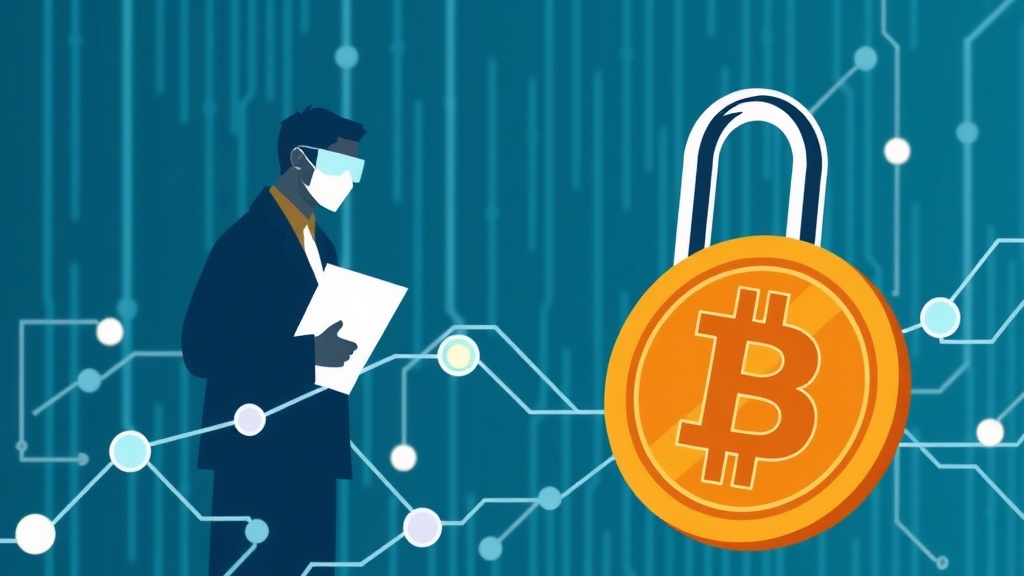
Understanding Blockchain Forensics and Its Growing Threat
Blockchain forensics has become a powerful tool for law enforcement, regulators, and cybercriminals alike. Using advanced data analysis, transaction tracing, and pattern recognition, forensic experts can often link wallet addresses to real-world identities—even when users believe they’re operating anonymously. This growing capability poses a significant risk to individuals and organizations seeking financial privacy in the digital age.
While blockchain technology—especially in public networks like Bitcoin and Ethereum—is designed to be transparent, the combination of on-chain data with off-chain intelligence (such as KYC records from exchanges) creates a web of traceable activity. Resistance to blockchain forensics is no longer optional for privacy-conscious users; it’s a necessity.
In response, a new field of privacy-preserving technologies has emerged, empowering users to reclaim control over their financial anonymity. Understanding how forensics works—and how to evade it—is now a critical skill for crypto users who value privacy.
How Blockchain Forensics Works: The Tools and Tactics Used
Blockchain forensics relies on several key techniques to de-anonymize users:
- Address Clustering: Analyzing transaction patterns to group addresses controlled by the same entity. For example, if two addresses frequently send funds to the same destination, they may belong to the same wallet.
- Transaction Graph Analysis: Mapping the flow of funds across the blockchain to identify source and destination wallets, often revealing illicit activity or personal spending habits.
- KYC Linkage: Exchanges and services that require identity verification (KYC) often leak user data. When a user deposits or withdraws crypto, their on-chain address becomes tied to their real identity.
- Heuristic Analysis: Using statistical models to detect behavior patterns, such as coin mixing, tumbling, or rapid transfers—all of which can flag suspicious activity.
- IP and Metadata Tracking: Nodes and services can log IP addresses associated with transaction broadcasts, linking users to specific transactions.
These tools are widely used by blockchain analytics firms like Chainalysis, TRM Labs, and CipherTrace, which provide services to governments and financial institutions. Their reports are often cited in legal cases, asset seizures, and sanctions enforcement—making resistance to such tracking a high-stakes endeavor.
Why Resistance Matters: Privacy, Security, and Personal Freedom
Privacy isn’t just about hiding illegal activity—it’s about protecting your financial autonomy, personal safety, and freedom from surveillance. In an era where data breaches, identity theft, and state surveillance are rampant, financial privacy is a fundamental right.
Consider these real-world risks:
- Targeted Theft: Criminals can monitor high-value wallets or track individuals based on spending patterns.
- Reputation Damage: Public exposure of crypto holdings or transactions can affect employment, relationships, or social standing.
- Legal Exposure: Even innocent users can be caught in regulatory dragnets or mistakenly linked to illicit activity.
- Censorship Risk: Governments may freeze or seize funds based on transaction history, even without due process.
By adopting blockchain forensics resistance strategies, users can reduce their digital footprint and maintain control over their financial narrative. This is especially important for journalists, activists, high-net-worth individuals, and anyone living under oppressive regimes.
Top Strategies to Achieve Blockchain Forensics Resistance
Achieving meaningful resistance requires a multi-layered approach. No single tool or method is foolproof, but combining several techniques significantly increases privacy. Here are the most effective strategies:
1. Use Privacy-Focused Cryptocurrencies
Not all cryptocurrencies are created equal when it comes to privacy. While Bitcoin and Ethereum are pseudonymous, their transaction histories are permanently recorded and easily analyzed. Instead, consider using:
- Monero (XMR): Uses ring signatures, stealth addresses, and confidential transactions to obscure sender, receiver, and amount.
- Zcash (ZEC): Offers optional privacy via zk-SNARKs, allowing users to shield transaction details.
- Dash (PrivateSend): Mixes transactions with others to break traceability chains.
- Grin and Beam (Mimblewimble): Use confidential transactions and transaction cut-through to enhance privacy.
While no coin is 100% private, these options provide far greater resistance than Bitcoin or Ethereum alone.
2. Leverage Coin Mixing and Tumbling Services
For users who must transact in transparent blockchains like Bitcoin, coin mixing is a viable option. Services like:
- Wasabi Wallet: Built-in CoinJoin mixer that breaks transaction links.
- Samourai Wallet: Offers advanced features like Stonewall and PayJoin to obscure transaction intent.
- JoinMarket: Decentralized mixing protocol where users act as liquidity providers.
These tools pool funds from multiple users and redistribute them, making it difficult to trace the origin of any single transaction. However, users should be cautious—some centralized mixers have been compromised or shut down by authorities.
3. Practice Operational Security (OpSec) Rigorously
Privacy begins with discipline. Even the best tools fail if you leak information through careless behavior:
- Avoid reusing addresses: Always generate a new address for each transaction.
- Never link wallets to identity: Don’t post wallet addresses on social media or use them in KYC exchanges unless necessary.
- Use dedicated devices: Keep crypto transactions separate from daily browsing and email accounts.
- Disable JavaScript in wallets: Prevents tracking via browser fingerprinting or malicious scripts.
- Use VPNs and Tor: Route transactions through privacy networks to mask IP addresses.
Remember: metadata kills privacy. Even if your transactions are encrypted, your IP, device, and behavior can reveal your identity.
4. Use Decentralized Exchanges and Privacy Tools
Centralized exchanges (CEXs) require KYC and log user data. To avoid this:
- Use DEXs like Bisq, HodlHodl, or THORSwap: These platforms allow peer-to-peer trading without identity verification.
- Swap coins privately: Use services like SideShift.ai or ChangeNOW that don’t require KYC.
- Bridge assets discreetly: Avoid cross-chain bridges that require identity checks; use privacy-focused bridges where possible.
These tools help users exit the surveillance economy and regain control over their financial interactions.
Practical Tips for Everyday Crypto Privacy
Putting theory into practice can be challenging. Here’s a quick checklist to help you stay private in your daily crypto use:
- Use a hardware wallet: Devices like Ledger or Trezor keep private keys offline and reduce exposure to online tracking.
- Enable full-node wallets: Running your own node (e.g., with Wasabi or Samourai) increases privacy and sovereignty.
- Mix coins before large transactions: Always mix a portion of your holdings before moving funds to a new wallet or exchange.
- Avoid public block explorers: Use privacy-focused explorers like Blockstream.info or OXT.me (with caution).
- Keep software updated: Privacy tools evolve rapidly—stay current to benefit from the latest protections.
- Educate yourself continuously: Follow privacy advocates like Monero Outreach, Wasabi Wallet blog, or Privacy Guides.
Privacy is not a one-time setup—it’s an ongoing process of adaptation and vigilance.
Conclusion: The Future of Financial Privacy Is in Your Hands
Blockchain forensics resistance is no longer a niche concern—it’s a cornerstone of modern digital freedom. As surveillance tools grow more sophisticated, so too must our defenses. The good news? Privacy-enhancing technologies are advancing rapidly, giving users more power than ever before.
By combining privacy coins, mixing services, operational security, and decentralized tools, you can significantly reduce your traceability on-chain. But remember: true privacy requires more than technology—it requires discipline, awareness, and a commitment to protecting your data.
In a world where financial surveillance is becoming the norm, resistance isn’t just smart—it’s essential. Start small, stay informed, and take control of your digital financial future today.
Related articles
How to Evade Chain Surveillance in Crypto Transactions for Better Privacy
Output Taint Checking: How to Trace Crypto Transaction Origins for Privacy

How Post-Mixing Coin Verification Enhances Cryptocurrency Privacy
How to Clean Coins Before Exchange for Maximum Privacy
Mixing Before Cashout: Enhancing Cryptocurrency Privacy and Security
Looking for a privacy tool?
Browse every mixer, exchanger and Telegram bot in one place.