How to Evade Chain Surveillance in Crypto Transactions for Better Privacy
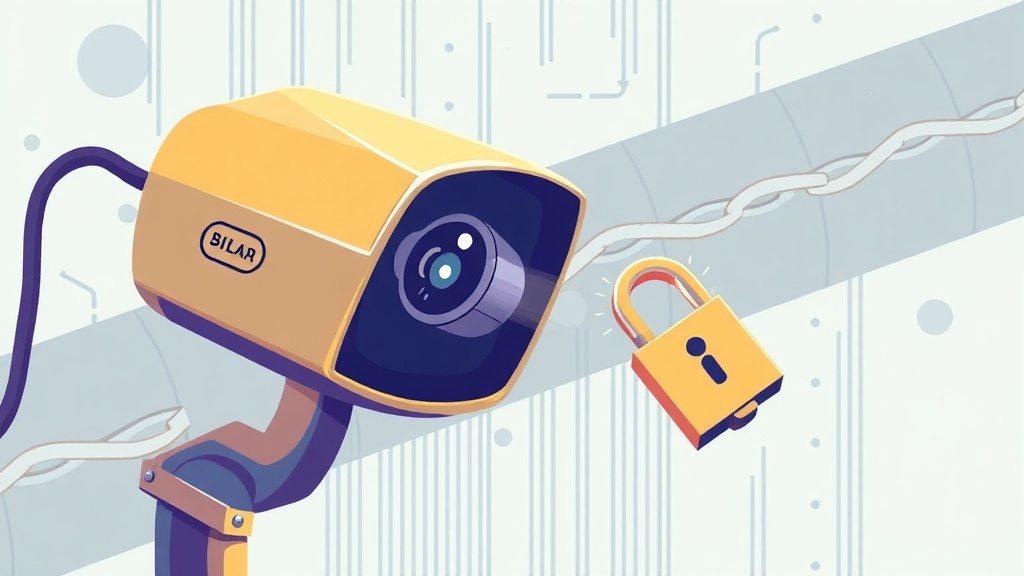
Understanding Chain Surveillance in Cryptocurrency
Chain surveillance refers to the tracking and analysis of blockchain transactions by specialized firms to monitor suspicious or illicit activities. These firms use advanced algorithms and heuristics to link wallet addresses, trace fund flows, and flag transactions that may involve money laundering, fraud, or other illegal activities. While chain surveillance is intended to enhance security and compliance, it can also compromise the privacy of legitimate users who value financial anonymity.
For cryptocurrency enthusiasts, evading chain surveillance is crucial to maintaining privacy and protecting personal financial data. By understanding how surveillance works, users can take proactive steps to minimize their digital footprint and keep their transactions confidential.
Why Chain Surveillance Poses a Privacy Risk
Chain surveillance tools can deanonymize users by analyzing transaction patterns, clustering wallet addresses, and identifying connections between seemingly unrelated transactions. For example:
- Address Clustering: Surveillance firms group addresses that are likely controlled by the same entity based on transaction history and behavior.
- Behavioral Analysis: Transactions that follow predictable patterns (e.g., frequent small deposits followed by large withdrawals) can be flagged as suspicious.
- IP Address Tracking: If a user’s IP address is linked to a transaction, it can reveal their geographic location and identity.
These risks highlight the importance of adopting privacy-focused strategies when using cryptocurrencies like Bitcoin or Ethereum.
Effective Strategies to Evade Chain Surveillance
To protect your privacy, consider the following techniques to reduce the traceability of your transactions:
Use Privacy-Centric Cryptocurrencies
Some cryptocurrencies are designed with privacy in mind, making it harder for surveillance firms to track transactions. Examples include:
- Monero (XMR): Uses ring signatures, stealth addresses, and confidential transactions to obscure sender, receiver, and amount details.
- Zcash (ZEC): Offers optional privacy features like zk-SNARKs, which allow transactions to be verified without revealing sensitive information.
- Dash (DASH): Includes a feature called PrivateSend, which mixes transactions with others to enhance anonymity.
Leverage Mixers and Tumblers
Cryptocurrency mixers (or tumblers) are services that pool funds from multiple users and redistribute them to break the traceability of transactions. Popular mixers include:
- Wasabi Wallet: A Bitcoin wallet with built-in CoinJoin functionality to mix transactions.
- Samourai Wallet: Offers advanced privacy features like Stonewall and PayJoin to obfuscate transaction trails.
- Tornado Cash: A decentralized mixer for Ethereum that allows users to deposit and withdraw funds in a way that severs on-chain links.
Note: While mixers can enhance privacy, they may also attract regulatory scrutiny. Always use reputable services and understand the legal implications in your jurisdiction.
Practice Coin Control
Coin control is a technique used in Bitcoin wallets to select specific UTXOs (unspent transaction outputs) for spending, rather than letting the wallet choose automatically. This helps prevent address clustering by ensuring that new transactions don’t reuse the same addresses. Wallets like Electrum and Wasabi Wallet support coin control.
To implement coin control:
- Use a wallet that supports manual UTXO selection.
- Consolidate funds only when necessary to avoid creating identifiable transaction patterns.
- Avoid merging small UTXOs into larger ones, as this can make your transactions more traceable.
Additional Tips for Maintaining Crypto Privacy
Beyond mixers and coin control, there are several other steps you can take to minimize your exposure to chain surveillance:
Use Stealth Addresses and Wallets
Stealth addresses generate a unique, one-time address for each transaction, making it difficult for surveillance firms to link transactions to a single wallet. Wallets like Monero and Edge (for Bitcoin) support stealth addresses.
Run a Full Node
Running a full node (e.g., Bitcoin Core) ensures that you’re not relying on third-party services to validate transactions. This reduces the risk of exposing your transaction data to centralized entities that may share it with surveillance firms.
Avoid Reusing Addresses
Reusing the same address for multiple transactions makes it easier for surveillance firms to track your activity. Always generate a new address for each transaction to maintain privacy.
Use VPNs and Tor for Transaction Broadcasting
When broadcasting transactions, use a VPN or the Tor network to mask your IP address. This prevents surveillance firms from linking your transactions to your real-world identity based on your IP.
Conclusion: Balancing Privacy and Compliance
Evading chain surveillance is about taking control of your financial privacy while staying within legal boundaries. By using privacy-focused cryptocurrencies, mixers, coin control, and other techniques, you can significantly reduce the traceability of your transactions. However, it’s essential to stay informed about the legal landscape in your country, as some privacy-enhancing tools may be restricted or scrutinized by regulators.
Remember, privacy is a fundamental right, and with the right tools and strategies, you can protect your financial data in the cryptocurrency space. Stay vigilant, stay private, and always prioritize security in your crypto transactions.
Related articles

Output Taint Checking: How to Trace Crypto Transaction Origins for Privacy

How Post-Mixing Coin Verification Enhances Cryptocurrency Privacy

How to Clean Coins Before Exchange for Maximum Privacy
Mixing Before Cashout: Enhancing Cryptocurrency Privacy and Security

Secure Clean Deposits for Crypto Trading: A Privacy Guide
Looking for a privacy tool?
Browse every mixer, exchanger and Telegram bot in one place.