Dust Attribution Analysis: How to Protect Your Crypto Privacy

Understanding Dust Attribution Analysis in Cryptocurrency
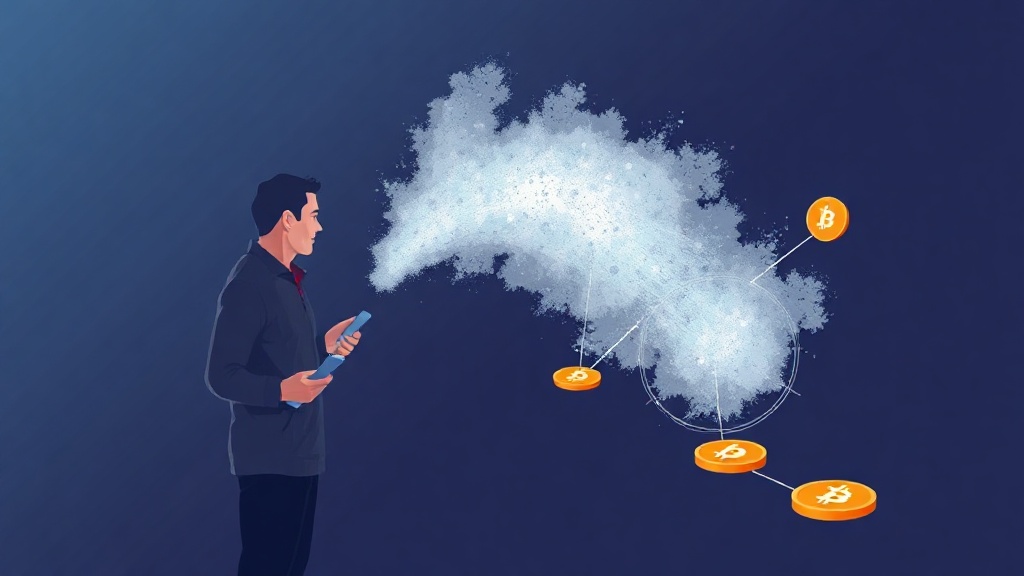
Dust attribution analysis is a sophisticated technique used in the cryptocurrency space to trace small, seemingly insignificant transactions—often referred to as "dust"—back to their origin. These tiny amounts of cryptocurrency, sometimes just a few satoshis (the smallest unit of Bitcoin), are intentionally sent to wallet addresses to gather data. While dust transactions may appear harmless, they can be exploited to uncover the identity of wallet owners, compromising privacy and security.
This method is particularly concerning for users who prioritize anonymity, such as those involved in decentralized finance (DeFi), privacy coins, or simply individuals who wish to keep their financial activities private. By analyzing dust transactions, malicious actors or even blockchain analysts can link wallet addresses to real-world identities, track transaction patterns, and potentially expose sensitive financial information.
How Dust Attribution Analysis Works
Dust attribution analysis relies on a combination of blockchain forensics and behavioral pattern recognition. Here’s a step-by-step breakdown of how it operates:
- Dust Transaction Identification: Attackers send small amounts of cryptocurrency (dust) to a target wallet address. These transactions are often below the threshold that triggers wallet notifications, making them easy to overlook.
- Transaction Linking: Once the dust is in the wallet, the attacker monitors subsequent transactions. If the wallet interacts with a centralized exchange, DeFi platform, or any service that requires KYC (Know Your Customer) verification, the dust transaction can be linked to the user’s identity.
- Behavioral Analysis: Analysts study the timing, frequency, and amounts of transactions to build a profile of the wallet’s owner. For example, if a wallet frequently interacts with privacy-focused services but occasionally connects to a KYC-compliant exchange, the dust transaction can bridge the gap between anonymous and identifiable activities.
- Cross-Referencing Data: Advanced tools aggregate data from multiple sources, including public blockchains, exchange APIs, and social media, to create a comprehensive view of the wallet’s activities. This data can then be used to deanonymize the wallet owner.
For instance, if a user receives dust in their Bitcoin wallet and later withdraws funds to a regulated exchange, the dust transaction can be traced back to the exchange’s withdrawal address, revealing the user’s identity.
Real-World Risks of Dust Attribution Analysis
The implications of dust attribution analysis extend beyond mere privacy concerns. Here are some of the most significant risks associated with this technique:
- Loss of Anonymity: Users who rely on privacy tools like mixers, tumblers, or privacy coins (e.g., Monero, Zcash) may find their anonymity compromised if dust transactions are linked to their wallets.
- Targeted Attacks: Once an attacker identifies a wallet owner, they may use the information for phishing scams, blackmail, or other malicious activities. For example, a user’s home address or other personal details could be exposed if linked to the wallet.
- Regulatory Scrutiny: In jurisdictions with strict financial regulations, dust attribution analysis can lead to unwarranted investigations or legal consequences if authorities associate the wallet with illicit activities.
- Financial Exposure: Attackers may use the gathered information to manipulate markets, engage in front-running, or exploit vulnerabilities in the user’s financial strategy.
One notable case involved a Bitcoin mixer service that was compromised by dust attribution analysis. Users who relied on the mixer for anonymity found their transactions traced back to their original wallets, leading to the exposure of their financial histories.
Protecting Your Cryptocurrency from Dust Attribution Analysis
While dust attribution analysis poses a significant threat, there are several proactive measures you can take to safeguard your privacy and security. Here’s a practical guide to minimizing risks:
- Use Dedicated Privacy Tools:
- Privacy Coins: Consider using cryptocurrencies designed for anonymity, such as Monero (XMR) or Zcash (ZEC), which obscure transaction details by default.
- Mixers and Tumblers: Services like Wasabi Wallet or Samourai Wallet offer coin mixing features to obfuscate transaction trails. However, ensure you use reputable mixers to avoid scams.
- Stealth Addresses: Some wallets, like those supporting Monero, generate unique addresses for each transaction, making it difficult to link transactions to a single wallet.
- Avoid Reusing Addresses: Generate a new wallet address for each transaction to prevent attackers from linking your activities. Most modern wallets support hierarchical deterministic (HD) addresses for this purpose.
- Monitor Dust Transactions: Regularly check your wallet for unexpected small transactions. If you detect dust, avoid interacting with it, as this could trigger further analysis.
- Use Non-Custodial Wallets: Custodial wallets (e.g., exchange wallets) require KYC verification, which can expose your identity. Opt for non-custodial wallets like Ledger, Trezor, or Electrum to maintain control over your funds and privacy.
- Hardware Wallets: These devices store your private keys offline, reducing the risk of dust attacks targeting online wallets.
- Educate Yourself on Blockchain Analysis: Stay informed about the latest developments in blockchain forensics. Tools like Chainalysis, CipherTrace, and Elliptic are commonly used by attackers, so understanding their capabilities can help you stay ahead.
- Consider Off-Chain Solutions: For added privacy, use off-chain payment methods like Lightning Network for Bitcoin transactions. These methods reduce the visibility of transactions on the main blockchain.
- Lightning Network: This layer-2 solution allows for fast, low-cost transactions with enhanced privacy, as the details are not publicly recorded on the Bitcoin blockchain.
Future of Dust Attribution Analysis and Privacy Innovations
The cat-and-mouse game between privacy advocates and blockchain analysts is evolving rapidly. As dust attribution analysis becomes more sophisticated, so do the tools designed to counter it. Here’s a glimpse into the future of cryptocurrency privacy:
- Advancements in Privacy Coins: Projects like Monero and Zcash continue to improve their protocols to resist analysis. For example, Monero’s Ring Confidential Transactions (RingCT) and stealth addresses make it increasingly difficult to trace transactions.
- Decentralized Identity Solutions: Emerging technologies like decentralized identifiers (DIDs) and self-sovereign identity (SSI) aim to give users control over their digital identities, reducing the risk of exposure through dust transactions.
- Regulatory Challenges: Governments worldwide are grappling with the balance between privacy and regulatory compliance. Stricter regulations on cryptocurrency exchanges may inadvertently push users toward privacy-focused solutions, increasing demand for tools that resist dust attribution analysis.
- Compliance vs. Privacy: Exchanges may adopt privacy-preserving compliance tools, such as zero-knowledge proofs, to verify user identities without exposing transaction histories.
- Community-Led Innovations: Open-source projects and privacy-focused communities are developing new techniques to combat dust attribution. For example, the Dandelion++ protocol for Bitcoin aims to obscure the origin of transactions by routing them through a network of nodes before broadcasting them to the blockchain.
As the cryptocurrency ecosystem matures, the tools and techniques for preserving privacy will likely become more accessible and user-friendly. However, users must remain vigilant and proactive in adopting best practices to stay protected.
Conclusion: Staying Ahead of Dust Attribution Analysis
Dust attribution analysis is a powerful tool in the arsenal of blockchain analysts and malicious actors, but it’s not insurmountable. By understanding how this technique works and implementing robust privacy measures, you can significantly reduce the risk of exposure. Whether you’re a seasoned crypto enthusiast or a privacy-conscious newcomer, taking steps like using privacy coins, avoiding address reuse, and leveraging non-custodial wallets can go a long way in safeguarding your financial activities.
Remember, privacy in the cryptocurrency space is an ongoing battle. Stay informed, adopt best practices, and prioritize tools that align with your security needs. The future of crypto privacy is bright, but it requires active participation from users to ensure that financial freedom remains a cornerstone of the decentralized ecosystem.
Take action today: audit your wallet practices, explore privacy-focused tools, and join communities dedicated to advancing cryptocurrency anonymity. Your financial privacy depends on it.
Related articles
Address Poisoning Attacks: How Hackers Trick Crypto Users & How to Stay Safe
Demixing CoinJoin Outputs: Enhancing Crypto Privacy with Advanced Techniques
Deposit Address Attribution: How to Protect Your Crypto Privacy
Exchange Attribution Mapping: Tracking Crypto Transactions for Better Privacy
Multi-Input Clustering: The Key to Cryptocurrency Privacy Analysis
Looking for a privacy tool?
Browse every mixer, exchanger and Telegram bot in one place.