How to Safely Clean Your Blockchain Transaction History
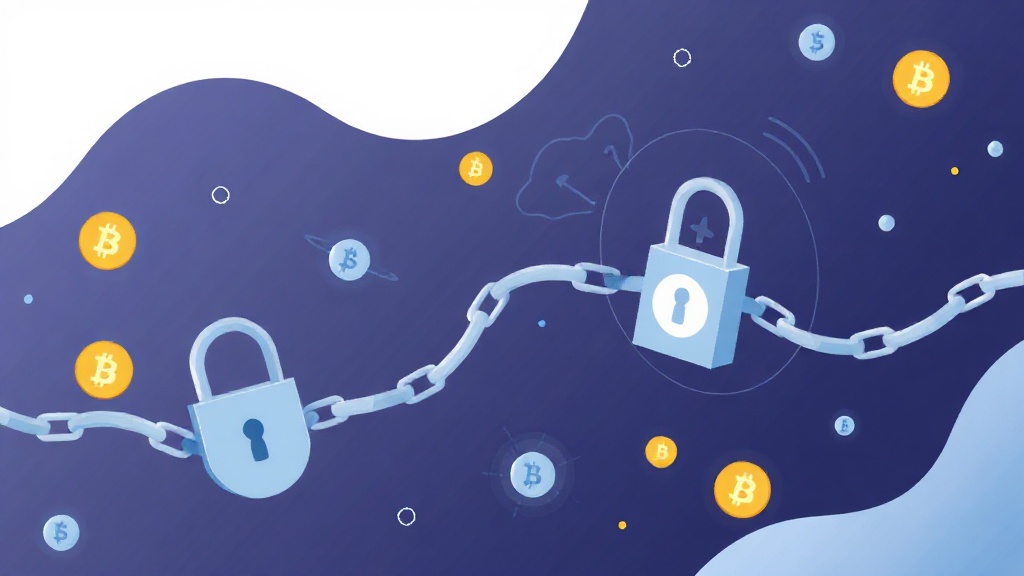
Why Your On-Chain History Matters for Privacy
Every transaction you make on a public blockchain like Bitcoin or Ethereum leaves a permanent digital footprint. While these records are pseudonymous, they can still reveal sensitive information about your financial habits, identity, and even personal relationships. Privacy-conscious crypto users often seek ways to launder their on-chain history—not to hide illegal activity, but to protect their financial privacy in an increasingly surveilled digital world.
Blockchain analysis firms and even governments use sophisticated tools to track transactions, linking wallet addresses to real-world identities through exchanges, KYC policies, or metadata leaks. Once your transactions are traced, your entire financial history becomes an open book. That’s why learning how to clean your blockchain footprint safely is essential for anyone serious about digital privacy.
Understanding the Risks: How Your On-Chain Activity Is Traced
Before you can protect your privacy, you need to understand how your transactions can be linked. Blockchain forensics relies on several key techniques:
- Address Clustering: When multiple addresses are controlled by the same entity (e.g., through reuse or shared inputs), they can be grouped together, revealing your entire transaction graph.
- Transaction Graph Analysis: By analyzing input-output patterns, analysts can infer relationships between wallets, even if they’re not directly linked.
- Exchange Withdrawal Patterns: If you withdraw crypto from a regulated exchange, your withdrawal address is often linked to your identity through KYC (Know Your Customer) requirements.
- Metadata and Timing: Public blockchains expose timestamps and amounts, which can be cross-referenced with other data sources to build a profile of your spending habits.
Once these connections are made, it becomes nearly impossible to separate your old transactions from your new ones. That’s where transaction laundering—or more accurately, privacy-enhancing techniques—come into play.
Effective Methods to Launder Your On-Chain History Safely
Laundering your on-chain history doesn’t mean erasing it—it means breaking the links between your old and new transactions. Here are the most reliable and secure methods:
1. Using CoinJoin for Bitcoin and Similar Protocols
CoinJoin is a privacy technique that combines multiple transactions from different users into a single transaction. This obscures the origin and destination of funds, making it much harder to trace individual payments.
- Samourai Wallet (Android): Offers a robust CoinJoin feature called Stowaway and PayJoin, which integrates seamlessly with Bitcoin transactions.
- Wasabi Wallet (Desktop): A user-friendly wallet that uses Chaumian CoinJoin to mix your coins with others, requiring a minimum of 0.01 BTC per mix.
- JoinMarket: A more advanced, open-source tool for Bitcoin users who want to participate as either a market maker or a taker in CoinJoin transactions.
⚠️ Important: Always use trusted, open-source tools and avoid mixing coins from exchanges with high KYC requirements, as this can reduce the effectiveness of CoinJoin.
2. Leveraging Privacy Coins for Clean Slates
Privacy coins like Monero (XMR), Zcash (ZEC), and Dash (in PrivateSend mode) offer built-in obfuscation features that make transaction history untraceable by default. By converting your traceable coins (e.g., Bitcoin) into privacy coins, you can effectively reset your on-chain footprint.
- Monero (XMR): Uses ring signatures, stealth addresses, and confidential transactions to ensure complete transactional privacy. It’s widely regarded as the gold standard for privacy coins.
- Zcash (ZEC): Offers optional privacy via zk-SNARKs, allowing users to shield transaction details. Use the shielded address feature for maximum privacy.
- Dash (PrivateSend): Uses a mixing protocol similar to CoinJoin but within the Dash network. Less private than Monero but more accessible for beginners.
💡 Pro Tip: Use decentralized exchanges (DEXs) like Bisq or AtomicDEX to swap Bitcoin for privacy coins without KYC requirements, further reducing exposure.
3. Decentralized Mixers and Tumblers (Use with Caution)
Decentralized mixers (or tumblers) pool funds from multiple users and redistribute them randomly. While effective, they come with risks:
- Trust Issues: Some mixers may be run by malicious actors who steal funds or log addresses.
- Regulatory Scrutiny: Many centralized mixers (e.g., Tornado Cash) have been sanctioned or shut down, making decentralized options safer but less accessible.
- Smart Contract Risks: If using a mixer like Tornado Cash, ensure you’re using the latest, audited contracts to avoid vulnerabilities.
For Bitcoin users, Wasabi Wallet’s CoinJoin and JoinMarket are safer alternatives to traditional mixers. For Ethereum users, Tornado Cash (though sanctioned) remains a powerful tool for obscuring transaction history, but use it cautiously and consider legal implications.
4. Creating New Addresses and Wallet Segregation
One of the simplest ways to improve privacy is to avoid reusing addresses. Each time you generate a new address, you reduce the risk of address clustering. However, this alone won’t clean your past history—it only prevents future exposure.
For a more comprehensive approach:
- Use Hierarchical Deterministic (HD) Wallets: Wallets like Ledger, Trezor, or Electrum generate new addresses from a single seed, making it easy to manage multiple addresses without reusing them.
- Segregate Funds by Purpose: Keep your privacy-sensitive funds in a separate wallet from your everyday spending funds. For example, use one wallet for large holdings and another for small transactions.
- Avoid Address Reuse: Never use the same address more than once, especially for receiving funds from exchanges or public sources.
Step-by-Step Guide: How to Launder Your Bitcoin History Safely
Ready to clean up your on-chain footprint? Follow this practical, step-by-step process to launder your Bitcoin history while minimizing risks:
Step 1: Assess Your Current Exposure
- Review your transaction history on a blockchain explorer like Blockstream or Blockchair.
- Identify addresses linked to exchanges or KYC services.
- Note any large transactions or patterns that could be traced back to you.
Step 2: Convert Traceable Coins to Privacy Coins
- Choose a privacy coin (e.g., Monero or Zcash).
- Use a decentralized exchange (DEX) like Bisq or AtomicDEX to swap Bitcoin for privacy coins without KYC.
- Alternatively, use a non-custodial exchange like Changelly (with caution) or FixedFloat.
Step 3: Mix Your Coins Using CoinJoin
- Download and set up a privacy-focused wallet like Samourai Wallet or Wasabi Wallet.
- Use the CoinJoin feature to mix your Bitcoin with other users’ coins.
- For maximum privacy, mix multiple times with different peers.
Step 4: Withdraw Privacy Coins to a New Wallet
- Create a new, non-custodial wallet for your privacy coins (e.g., a Monero wallet).
- Withdraw your privacy coins from the exchange or mixer to this new wallet.
- Never reuse old addresses or wallets for privacy-sensitive funds.
Step 5: Spend or Hold Privately
- If you need to spend, use privacy coins directly or convert them back to cash via a peer-to-peer (P2P) service like LocalMonero.
- For long-term holding, store your privacy coins in a hardware wallet like Trezor or Ledger (ensure it supports your chosen privacy coin).
Common Mistakes to Avoid When Laundering On-Chain History
Even with the best tools, small mistakes can compromise your privacy. Here are the most common pitfalls and how to avoid them:
- Mixing KYC and Non-KYC Funds: Always separate funds obtained from regulated exchanges (KYC) from those obtained privately. Mixing them can weaken the privacy benefits of CoinJoin or privacy coins.
- Reusing Addresses: Even after laundering, avoid reusing addresses for different purposes. This can create new links in your transaction graph.
- Using Centralized Services: Avoid centralized mixers or tumblers that require you to deposit funds into a single address. These are prime targets for hackers and regulators.
- Ignoring Metadata: Remember that transaction amounts, timestamps, and even IP addresses (if using a wallet connected to the internet) can leak information. Use a VPN or Tor when accessing privacy tools.
- Not Testing Small Amounts First: Before laundering large sums, test the process with a small amount to ensure everything works as expected and no funds are lost.
Future-Proofing Your Privacy: Staying Ahead of Blockchain Surveillance
Privacy in the blockchain space is an ongoing battle. As surveillance techniques evolve, so must your strategies. Here’s how to stay ahead:
- Follow Privacy-Focused Projects: Keep an eye on developments in zero-knowledge proofs (ZKPs), such as those used in Zcash or upcoming Ethereum upgrades. These technologies promise even greater privacy.
- Use Decentralized Identity Solutions: Projects like Spruce ID aim to give users control over their digital identities, reducing reliance on KYC-heavy services.
- Educate Yourself Continuously: Follow privacy advocates like Wasabi Wallet, Samourai Wallet, or researchers like Monero’s official account for updates on privacy tools and threats.
- Advocate for Privacy: Support projects and policies that promote financial privacy. The more users demand privacy, the harder it becomes for surveillance to become the norm.
Remember: Privacy isn’t about hiding—it’s about control. You have the right to manage your financial information without corporations or governments tracking every move. By taking proactive steps to launder your on-chain history, you’re not only protecting yourself but also contributing to a healthier, more private digital economy.
Start small, stay informed, and prioritize tools that align with your privacy goals. Your financial history is yours alone—and with the right strategies, it can stay that way.
Related articles


How to Keep Crypto Transactions Below Red-Flag Thresholds for Privacy
How to Avoid Triggering Exchange AML Flags in Crypto Transactions

Smart Ways to Structure Crypto Withdrawals for Privacy and Compliance
How to Scan for Hidden Cameras at a Crypto ATM for Maximum Privacy
How to Use a Bitcoin ATM Without Full Verification: A Privacy Guide
Looking for a privacy tool?
Browse every mixer, exchanger and Telegram bot in one place.