How to Avoid Triggering Exchange AML Flags in Crypto Transactions
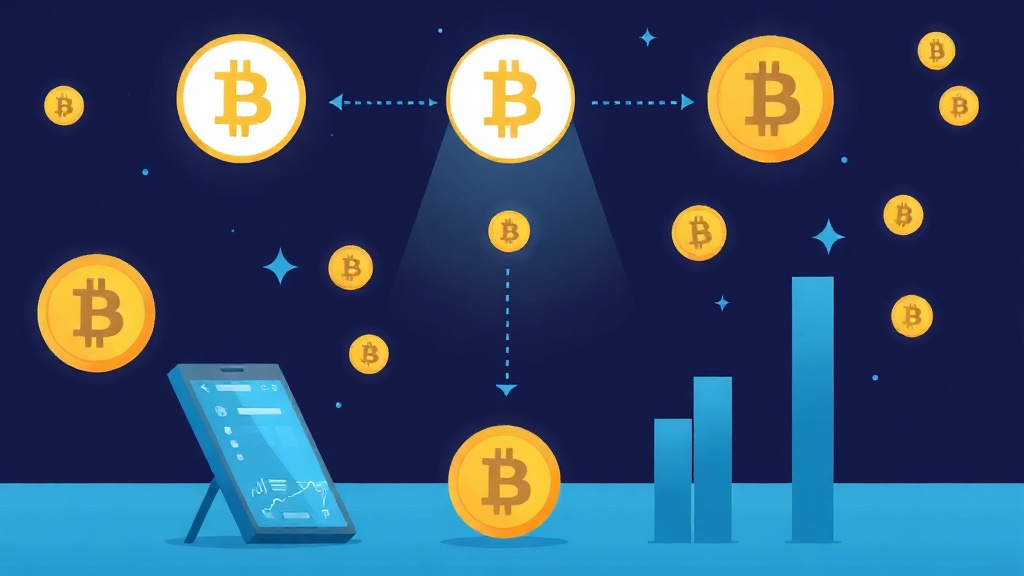
Understanding AML Flags in Cryptocurrency Exchanges
Anti-Money Laundering (AML) flags are alerts triggered by exchanges when they detect suspicious transaction patterns. These flags are designed to comply with global regulations and prevent illicit activities such as money laundering, fraud, or terrorist financing. For cryptocurrency users, especially those prioritizing privacy, understanding how these flags work is crucial to avoid unnecessary account freezes or fund seizures.
Exchanges use sophisticated algorithms to monitor transactions. Common triggers include large deposits, rapid movements between wallets, or transactions linked to high-risk jurisdictions. While these measures protect the ecosystem, they can also inconvenience legitimate users who value financial privacy. By adopting smart strategies, you can minimize the risk of triggering AML flags while still enjoying the benefits of cryptocurrency.
Common Reasons Exchanges Flag Transactions
Exchanges flag transactions based on several factors, many of which are tied to compliance requirements rather than actual wrongdoing. Here are the most frequent reasons:
- Unusual Transaction Amounts: Depositing or withdrawing large sums (e.g., over $10,000) without prior notice can raise red flags. Exchanges may require additional verification for such transactions.
- Rapid Movement of Funds: Transferring funds between multiple wallets or exchanges in a short period can appear suspicious, even if the activity is legitimate.
- Geographic Risks: Transactions involving countries on sanctions lists or high-risk regions (e.g., due to political instability) are more likely to be flagged.
- Mixing Services or Privacy Coins: Using mixers or privacy-focused cryptocurrencies (like Monero) can trigger scrutiny, as these tools are often associated with illicit activities.
- Unverified Sources: Receiving funds from unregistered or newly created wallets may prompt exchanges to investigate the origin of the assets.
Practical Tips to Avoid AML Flags
If you're concerned about privacy while using cryptocurrency, follow these actionable tips to reduce the likelihood of triggering AML alerts:
- Gradual Deposits and Withdrawals: Instead of moving large sums at once, break them into smaller, staggered transactions. This approach mimics regular trading activity and reduces suspicion.
- Use Established Wallets: Avoid sending funds from newly created or obscure wallets. Stick to well-known wallets or exchanges with a history of legitimate use.
- Document Transaction Purpose: If you're moving funds for a specific reason (e.g., investment, gift, or business transaction), provide a clear explanation to the exchange. This transparency can help preemptively address any concerns.
- Limit Privacy Tool Usage: While tools like CoinJoin or privacy coins offer anonymity, they can also attract unwanted attention. Use them sparingly and only when necessary for privacy.
- Monitor Account Activity: Regularly review your transaction history for any unusual patterns. If you notice a flag, address it promptly with the exchange to clarify the activity.
- Avoid Frequent Wallet Switching: Consistently using the same wallets for deposits and withdrawals helps establish a pattern of legitimacy. Frequent changes can trigger alerts.
Best Practices for Privacy-Conscious Crypto Users
For users who prioritize financial privacy, striking a balance between anonymity and compliance is key. Here are some advanced strategies to maintain privacy while minimizing AML risks:
Decentralized Exchanges (DEXs): DEXs, such as Uniswap or PancakeSwap, allow peer-to-peer trading without the need for KYC (Know Your Customer) verification. While this offers greater privacy, be aware that some DEXs may still flag suspicious activity based on transaction patterns.
Peer-to-Peer (P2P) Platforms: Platforms like LocalBitcoins or Bisq facilitate direct trades between users. These platforms often have less stringent AML checks, but they come with higher risks of scams or fraud. Always vet counterparties carefully.
Layer 2 Solutions: Utilizing Layer 2 networks (e.g., Lightning Network for Bitcoin) can help obscure transaction trails. These solutions process transactions off-chain, reducing the visibility of your activity on the blockchain.
Regular Account Maintenance: Keep your exchange accounts updated with the latest verification documents. Outdated or incomplete profiles are more likely to trigger compliance checks.
Use of VPNs and Proxies: While not foolproof, using a VPN or proxy can help mask your IP address, reducing the risk of geographic-based flags. However, ensure the VPN provider has a strict no-logs policy to maintain privacy.
What to Do If Your Transaction Is Flagged
Even with precautions, AML flags can still occur. If your transaction is flagged, follow these steps to resolve the issue efficiently:
- Respond Promptly: Exchanges typically provide a window (e.g., 24-48 hours) to respond to flagged transactions. Delaying your response may result in further scrutiny or fund freezes.
- Provide Clear Documentation: Gather any relevant documents, such as transaction receipts, wallet addresses, or explanations for the transaction's purpose. Submit these to the exchange’s compliance team.
- Communicate Professionally: Politely explain the legitimacy of the transaction. Avoid defensive or confrontational language, as this can escalate the situation.
- Escalate if Necessary: If the exchange’s response is unsatisfactory, consider reaching out to their customer support or filing a complaint with relevant regulatory bodies. In some cases, legal advice may be necessary.
- Learn and Adapt: Use the experience to refine your future transactions. Identify what triggered the flag and adjust your approach accordingly.
Remember, AML flags are not accusations of wrongdoing but rather precautionary measures. By maintaining transparency and adhering to best practices, you can navigate these challenges while preserving your financial privacy.
Conclusion: Balancing Privacy and Compliance
Cryptocurrency offers unparalleled financial freedom, but it also comes with responsibilities. Avoiding AML flags requires a blend of strategic planning, transparency, and adaptability. By understanding the triggers, implementing practical tips, and staying informed about evolving regulations, you can enjoy the benefits of crypto while minimizing disruptions.
For privacy-conscious users, the key is to find a middle ground between anonymity and compliance. Use decentralized tools where appropriate, but always be prepared to justify your transactions when necessary. Ultimately, staying proactive and informed will help you navigate the complex landscape of cryptocurrency exchanges with confidence.
Related articles

How to Scan for Hidden Cameras at a Crypto ATM for Maximum Privacy
How to Use a Bitcoin ATM Without Full Verification: A Privacy Guide
Protect Your Crypto Privacy: Never Link Your Identity at the ATM
Top Up Privately for Daily Spending: Secure Crypto Strategies
Funding a Wallet Without a Trail: A Privacy-Focused Crypto Guide
Looking for a privacy tool?
Browse every mixer, exchanger and Telegram bot in one place.