How to Safely Receive a Refund Privately: A Step-by-Step Guide
Why Privacy Matters When Receiving Refunds
In today’s digital age, financial transactions are often tracked, monitored, or even shared with third parties. Whether you’re returning a defective product, canceling a subscription, or disputing a charge, your refund details—including amounts, dates, and personal information—can become part of data brokers’ records. For privacy-conscious individuals, especially those in the cryptocurrency space, keeping refunds anonymous and untraceable is crucial.
Receiving a refund privately isn’t just about hiding money—it’s about protecting your financial footprint. Banks, payment processors, and even government agencies can link transactions to your identity. By following secure methods, you reduce exposure to fraud, identity theft, and unwanted surveillance. This guide walks you through the safest ways to receive refunds without compromising your privacy.
Use Privacy-Focused Payment Methods
Not all payment systems are created equal when it comes to privacy. Some leave digital trails, while others prioritize anonymity. Here are the best options for receiving refunds discreetly:
- Cryptocurrencies (Monero, Zcash, Bitcoin with CoinJoin): Monero is the gold standard for privacy, using ring signatures and stealth addresses to obscure sender and receiver identities. Zcash offers optional privacy via zk-SNARKs. Even Bitcoin can be anonymized using CoinJoin services like Wasabi Wallet or Samourai Wallet.
- Privacy Coins via Peer-to-Peer (P2P) Exchanges: Platforms like Bisq or LocalMonero allow you to receive cryptocurrency directly from another person without KYC (Know Your Customer) requirements, eliminating identity exposure.
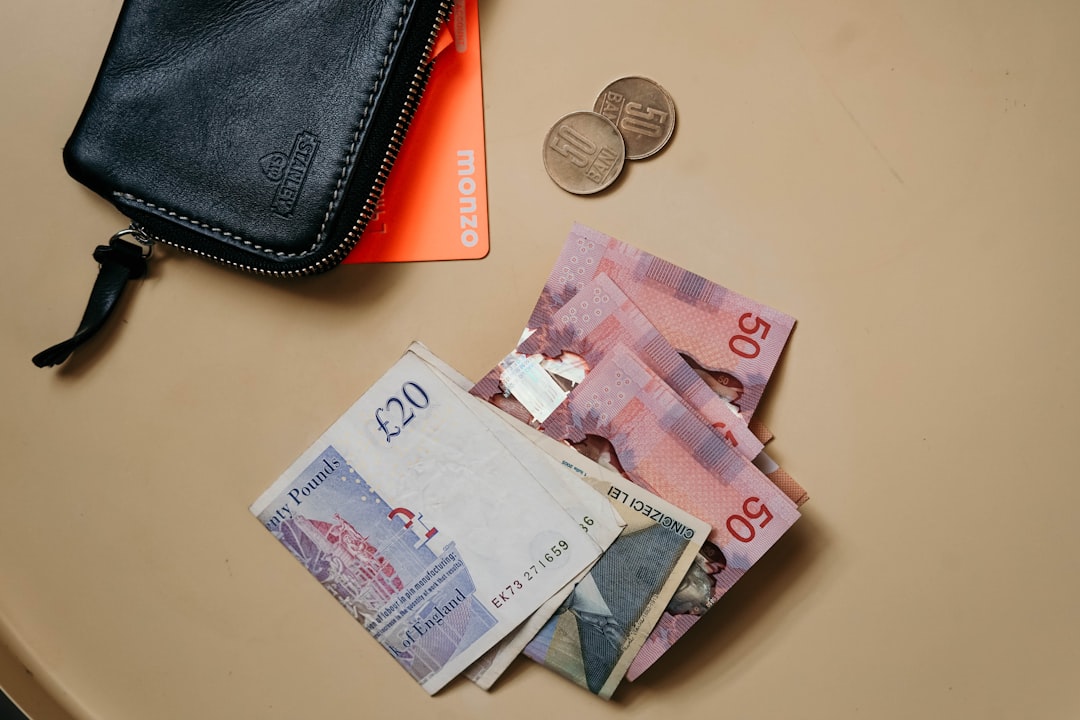
- Cash or Prepaid Cards: If the refund is in fiat, request cash or a reloadable prepaid debit card (purchased anonymously with cash). Avoid bank transfers or checks, which are easily traced.
- Privacy-Focused Digital Wallets: Use wallets like Samourai Wallet (Bitcoin) or Edge Wallet (supports multiple coins) that offer built-in privacy tools like Tor support and coin control.
💡 Pro Tip: Always generate a new receiving address for each transaction to prevent address reuse, which can link multiple payments to your identity.
Negotiate Refund Terms for Maximum Privacy
Privacy isn’t just about how you receive money—it starts with how you request it. Many refunds can be negotiated to avoid unnecessary data collection. Here’s how:
- Request a Cash Refund in Person: If possible, return an item to a physical store and ask for cash. No digital record is created, and no personal data is shared.
- Use a Disposable Email: When initiating a refund online, use a temporary email service like ProtonMail or Tutanota to avoid linking your primary inbox to the transaction.
- Opt for Store Credit Over Refunds: Some retailers offer store credit with fewer identity checks. While not ideal, it’s better than exposing your bank account or card details.
- Mention Privacy Concerns: Politely ask customer support if they can process the refund without logging your personal data. Some companies may accommodate privacy-focused customers.
⚠️ Warning: Avoid refunds processed through PayPal, Venmo, or Zelle if privacy is a priority. These platforms require verified identities and log all transactions, which can be subpoenaed or sold to data brokers.
Secure Your Refund with Encryption and Anonymity Tools
Even if you receive a refund privately, the transaction can still be exposed if your communication or device is compromised. Protect your refund process with these tools:
- Use Encrypted Messaging: Communicate with refund providers via Signal, Session, or ProtonMail to prevent eavesdropping.
- Enable Full-Disk Encryption: Ensure your computer and smartphone use encryption (e.g., FileVault on Mac, BitLocker on Windows, or Veracrypt for manual encryption).
- Browse Anonymously: Use the Tor Browser or a VPN with a strict no-logs policy (e.g., Mullvad or ProtonVPN) when initiating refunds online.
- Use a Dedicated Device: Consider using a burner phone or a separate device for financial transactions to isolate your main identity.
🔐 Advanced Tip: For high-value refunds, use a hardware wallet (like Ledger or Trezor) to store cryptocurrency refunds. These devices keep your private keys offline, protecting against remote hacks.
What to Avoid: Common Privacy Mistakes
Even well-intentioned people make mistakes that expose their refunds. Avoid these pitfalls:
- Sharing Screenshots or Transaction IDs: Posting proof of a refund on social media or forums can link your identity to the transaction. Keep receipts private.
- Using Public Wi-Fi for Refund Requests: Public networks are vulnerable to snooping. Always use a secure, private connection.
- Reusing Addresses or Wallet Seeds: If you reuse a Bitcoin address or share a wallet seed phrase, your entire transaction history becomes traceable.
- Ignoring Metadata: Even encrypted emails or messages can leak metadata (e.g., IP addresses, timestamps). Use tools like OnionShare for anonymous file sharing.
🚨 Red Flag Alert: Be wary of refund scams. Never share your private keys, seed phrases, or banking details with anyone claiming to process a refund. Legitimate refunds don’t require upfront payments.
Final Thoughts: Balancing Convenience and Privacy
Privacy isn’t about hiding—it’s about control. You have the right to manage your financial information without unnecessary exposure. While some refunds may require trade-offs (e.g., store credit instead of cash), the methods above help you minimize digital footprints and protect your identity.
Start by identifying the most private payment method available for your situation. Then, use encryption, anonymity tools, and secure communication to safeguard every step. Remember: the goal isn’t to evade taxes or laws (always comply with regulations), but to keep your financial life private from corporations and prying eyes.
By taking these precautions, you’ll not only receive refunds safely but also build habits that protect your privacy in all financial dealings. Stay vigilant, stay private, and take control of your digital identity.
Related articles

How to Check for DNS Leaks Before Crypto Transactions
How to Verify Your Cryptocurrency Traffic Exits Through Tor for Maximum Privacy
How to Verify Tor Connectivity in Your Crypto Wallet for Maximum Privacy
How to Audit Your Crypto Wallet for Privacy Leaks
How to Verify a Wallet is Non-Custodial: A Step-by-Step Guide
Looking for a privacy tool?
Browse every mixer, exchanger and Telegram bot in one place.